
Understanding the Future of Critical Raw Materials for the Energy Transition
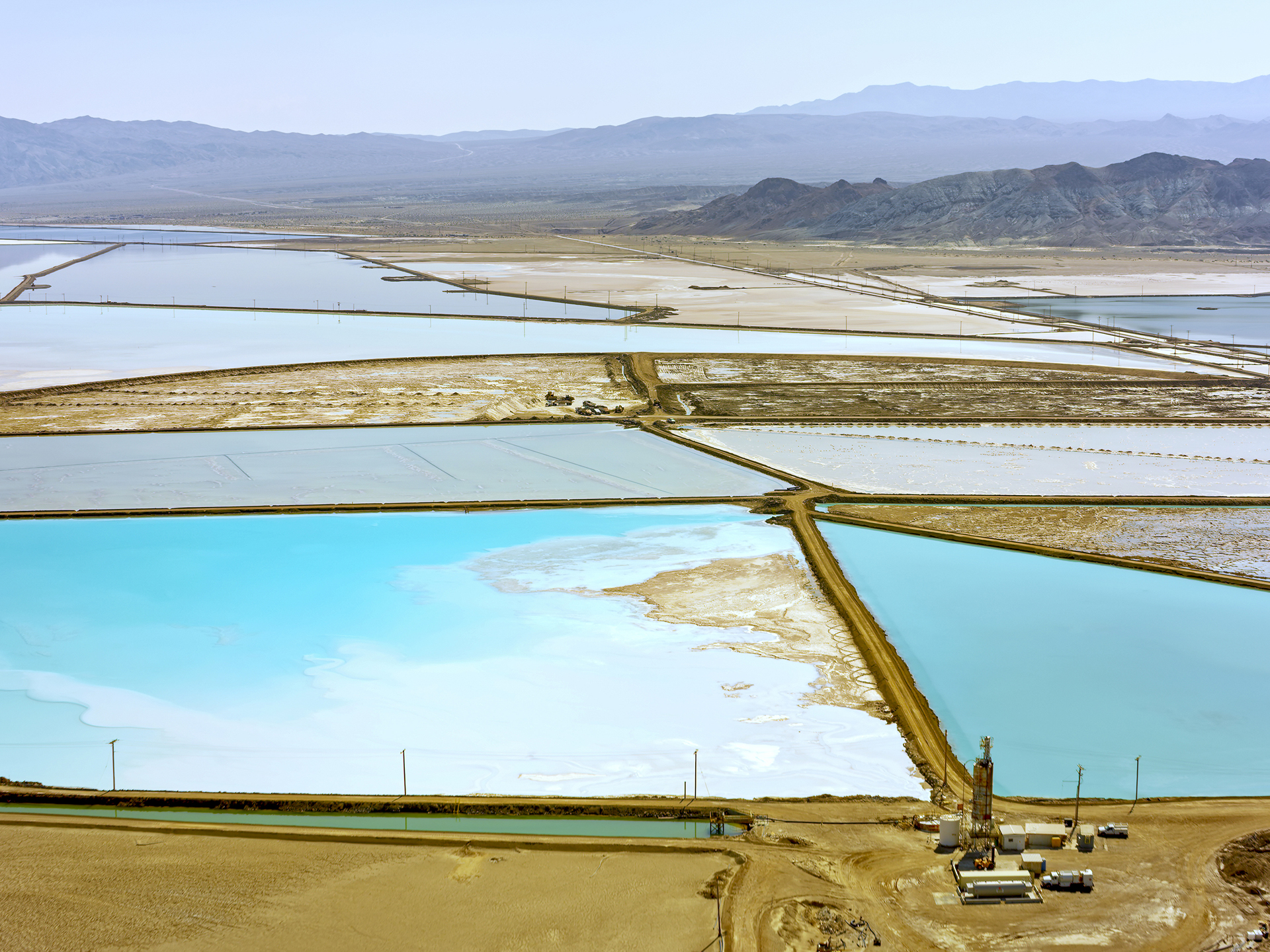
In a new Working Paper, the researchers examine the impact of energy transition policies on the U.S. markets of three critical minerals used for batteries: cobalt, lithium and nickel. Specifically, they investigate the impact of the U.S. Inflation Reduction Act (IRA) and the associated policies aimed at boosting the domestic production of these critical minerals, combining those impacts with various demand projections.

A Supply Curve for Forest-Based CO2 Removal
Forestation is viewed as an important means of removing CO2 from the atmosphere and thereby reducing net CO2 emissions. But how much CO2 can be removed, and at what cost? A new Working Paper focuses on forested and forestable areas in South America, and using spatially disaggregated data, the authors estimate a supply curve for forest-based atmospheric CO2 removal.
Regulation of Access, Pricing, and Planning of High Voltage Transmission in the U.S.
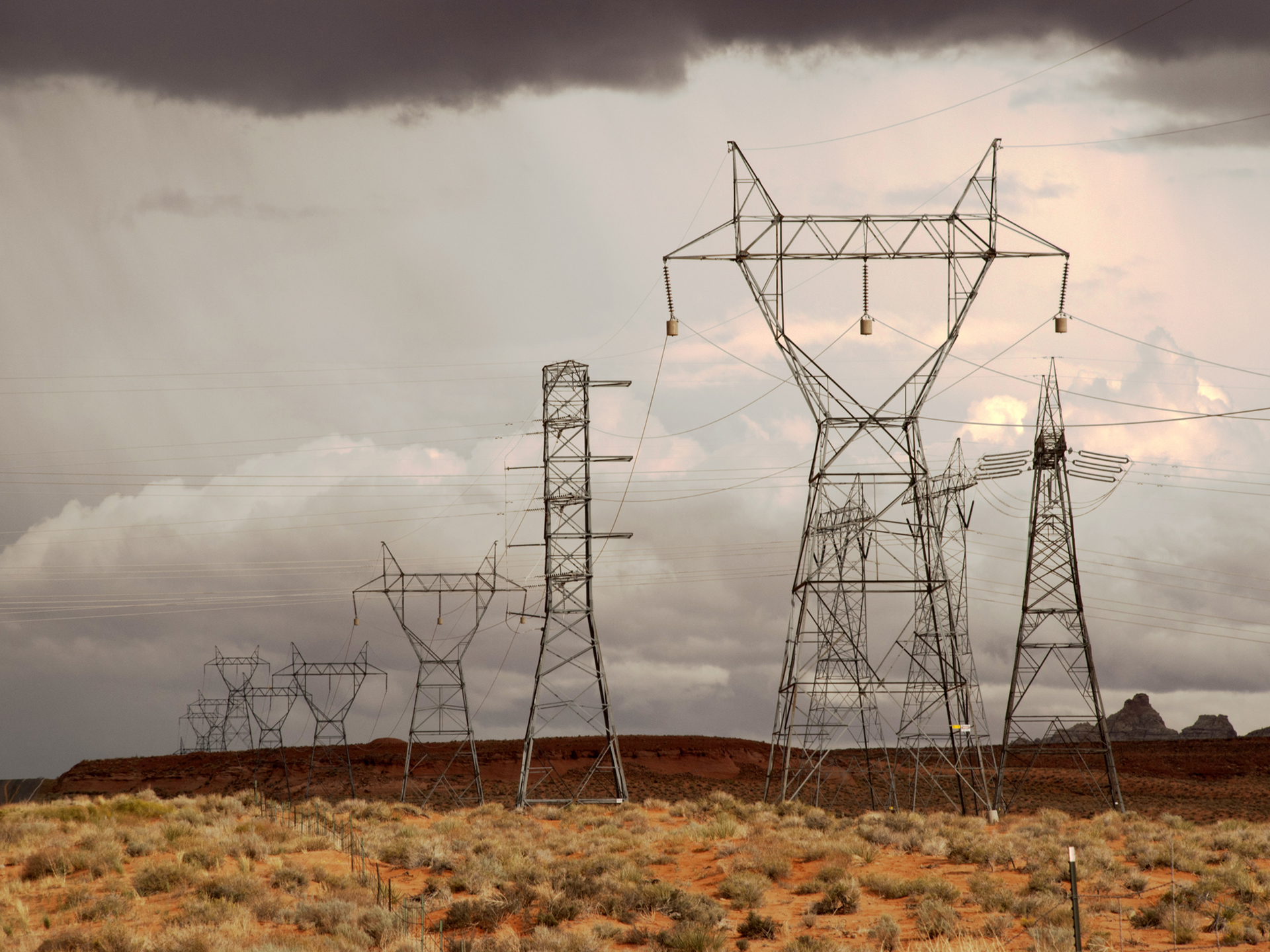
A new Working Paper outlines the historical and regulatory evolution of the U.S. electric power system, focusing on generation, transmission, and distribution. Key reforms, such as open-access transmission and nodal pricing, are highlighted. Challenges in transmission planning and generation interconnection processes are discussed, along with recent efforts to streamline them.
Commentary: Strategic Sector Investments are Poised to Benefit Distressed US Counties
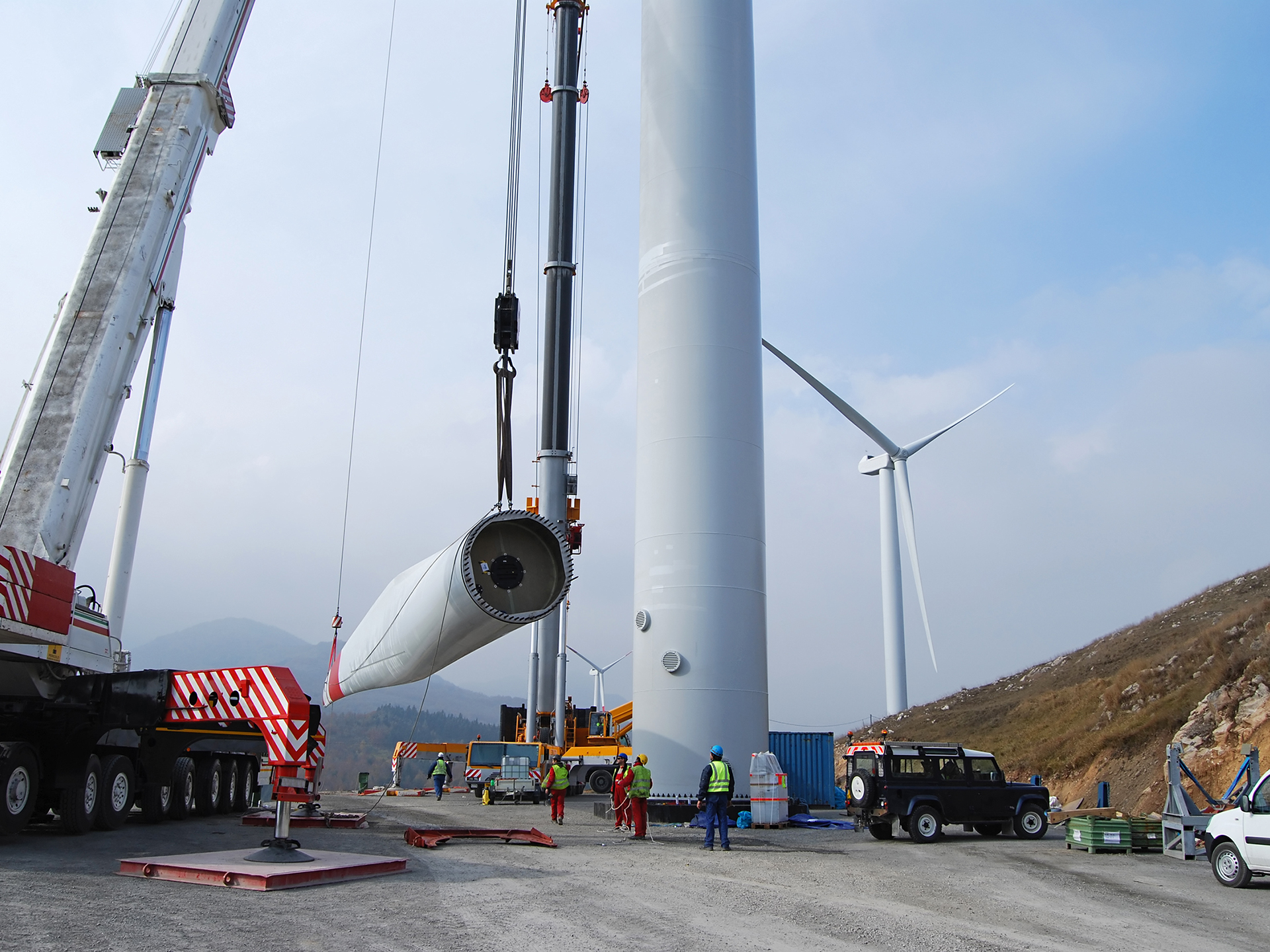
This commentary by MIT authors Brian Deese, Lisa Hansmann, Lily Bermel, Ryan Cummings with partners at Brookings Metro looks into the distribution of strategic sector investments in the US—defined as clean energy, semiconductors and electronics, biomanufacturing, and other advanced industries—spurred in part by the Infrastructure Investment and Jobs Act, CHIPS and Science Act, and Inflation Reduction Act.
Designing Distribution Network Tariffs
Among US utility regulators, time-of-use (TOU) electricity tariffs are gaining momentum as a replacement for flat volumetric tariffs. Yet when electricity supply and network costs are combined into a bundled per-kWh charge while loads become more automated, this rapidly leads to highly correlated electricity consumption, increasing local demand peaks and associated network costs. This paper investigates the implications of combining TOU supply charges with various network tariff designs in the face of increased electric vehicle adoption.

Earth Day Colloquium on April 22: Energizing the global transition
Last year shattered global heat records. The world witnessed the effects of rising temperatures in the form of devastating wildfires, severe flooding, extreme heatwaves, and more. Poor countries and communities who have contributed the least to causing the climate crisis are bearing the brunt of its accelerating impacts. But, it’s not too late to correct course, and progress on decarbonizing energy is paramount to securing a 1.5C future. Join Ani Dasgupta, the president and CEO of World Resources Institute, for a discussion on how the just energy transition in key countries can lead to a global tipping point for a more resilient, equitable world. Register here.
Learn More
MIT Sloan to Launch New Climate Policy Center with $25 Million Investment
The MIT Sloan School of Management is launching a new center aimed at providing evidence-based climate policy research to help inform and support local, state, national, and international policymakers. Christopher Knittel, the George P. Schultz Professor of Energy Economics, will serve as the center’s faculty director. “We are proud to introduce the MIT Climate Policy Center, because we know climate change is an urgent problem we can address if we focus our resources and expertise on it in a systematic way,” said Knittel. In addition to serving as faculty director of the new center, Knittel will be named associate dean at MIT Sloan, effective July 1.
Learn More
Clean Investment Monitor: Q4 2023 Update
This report summarizes key trends from the Q4 2023 update to the Clean Investment Monitor database, tracking public and private investment in clean technologies in the US. The researchers also release the first results of their detailed bottom-up model of actual federal government investment in clean energy and transportation. They estimate a total of $34 billion in federal investment and $220 billion total investment went to clean energy and transportation projects nationwide in fiscal year 2023. They share a breakdown of that investment by category and state.
Learn More
Clean Investment
Monitor
The Clean Investment Monitor (CIM) is a joint project of the MIT Center for Energy and Environmental Policy Research (CEEPR) and the Rhodium Group. The CIM tracks public and private investments in climate technologies in the United States. Through this data and analysis, the CIM provides insights into investment trends, the effects of federal and state policies, and on-the-ground progress in the U.S. towards net-zero greenhouse gas emissions.
The CIM covers dozens of different technologies and their input components across all sectors of the economy, including for clean electricity and transportation, building electrification, low-emission industrial production, and carbon management.
Learn More
Climate Action
Through Education
The MIT Climate Action Through Education (CATE) program, directed by Professor Christopher R. Knittel, has developed an MIT-informed interdisciplinary, place-based climate change curriculum for U.S. high school teachers in the following core disciplines: History/Social Science, English/Language Arts, Math, and Science.
Curricular materials – labs, units, lessons, projects – will be aligned with Next Generation Science Standards, and MA education standards. The solutions-focused curriculum aims to inform students about the causes and consequences of anthropogenic climate change, while equipping them with the knowledge and sense of agency to contribute to climate mitigation, adaptation and resilience.
Learn More
Driving Towards
Seamless Public
EV Charging
Widespread electric vehicle (EV) adoption is critical to confronting climate change – but a lack of sufficient public charging infrastructure is holding many potential EV drivers back. A team of researchers from Harvard and the MIT Center for Energy and Environmental Policy Research will work to accelerate progress on public EV charging as a gating requirement to achieving widespread EV adoption. The team will contribute by working directly with stakeholders and stakeholder groups to identify barriers to seamless public EV charging, build consensus for solutions, and advance those solutions.
Learn More
The Roosevelt
Project
Transitioning the United States economy toward deep decarbonization will have unequally distributed effects, positive and negative, across socio-economic groups, geographies and economic sectors. The concerns of workers and communities adversely affected by the transition must inform the discussion around decarbonization, associated policy changes and institutional development. The goal of the Roosevelt Project is to provide an analytical basis for charting a path to a low carbon economy in a way that promotes high quality job growth, minimizes worker and community dislocation, and harnesses the benefits of energy technologies for regional economic development.
Learn More