Skip to content
Toggle navigation
arrow-right
About
Mission
Diversity, Equity, and Inclusion
What is Chemical Engineering?
History
Open Positions
Photo Gallery
Video Gallery
People
Faculty
Students
Postdoctoral Associates
Staff
Recruit Our Students
Meet Our Community
Academics
Undergraduate Study
Why Chemical Engineering?
Undergraduate Programs
Why 10-ENG/Flexible Degree?
UROP
Apply
Graduate Study
Why MIT ChemE?
Graduate Programs
Financial Support
Apply
Admission FAQs
Course Schedule
ACCESS Program
Professional Ethics
The Practice School
Massive Open Online Courses (MOOCs)
MIT Professional Education
Research
Biomedical and Biotechnology
Catalysis and Reaction Engineering
Energy
Environment and Sustainability
Materials
Math and Computational Systems
Transport and Thermodynamics
Safety
News & Events
News
Events
Seminar Series
Student Seminar
Cooney Lecture
Hottel Lecture
Lewis Lecture
Michaels Lecture
Wang Lecture
Alumni
Alumni Newsletter
Support Course X
Alumni Contact
Resources
Student Office
Student Resources
Computer & Digital Learning Support
Community News
Career Advice and Support
ChemE Communications Lab
Faculty Resources
Postdoc & Visitor Resources
Administrative Resources
Staff Wiki
ChemE Staff X-Award Nomination Form
Room Reservations
Contact Us
CHEME DEMYSTIFIED
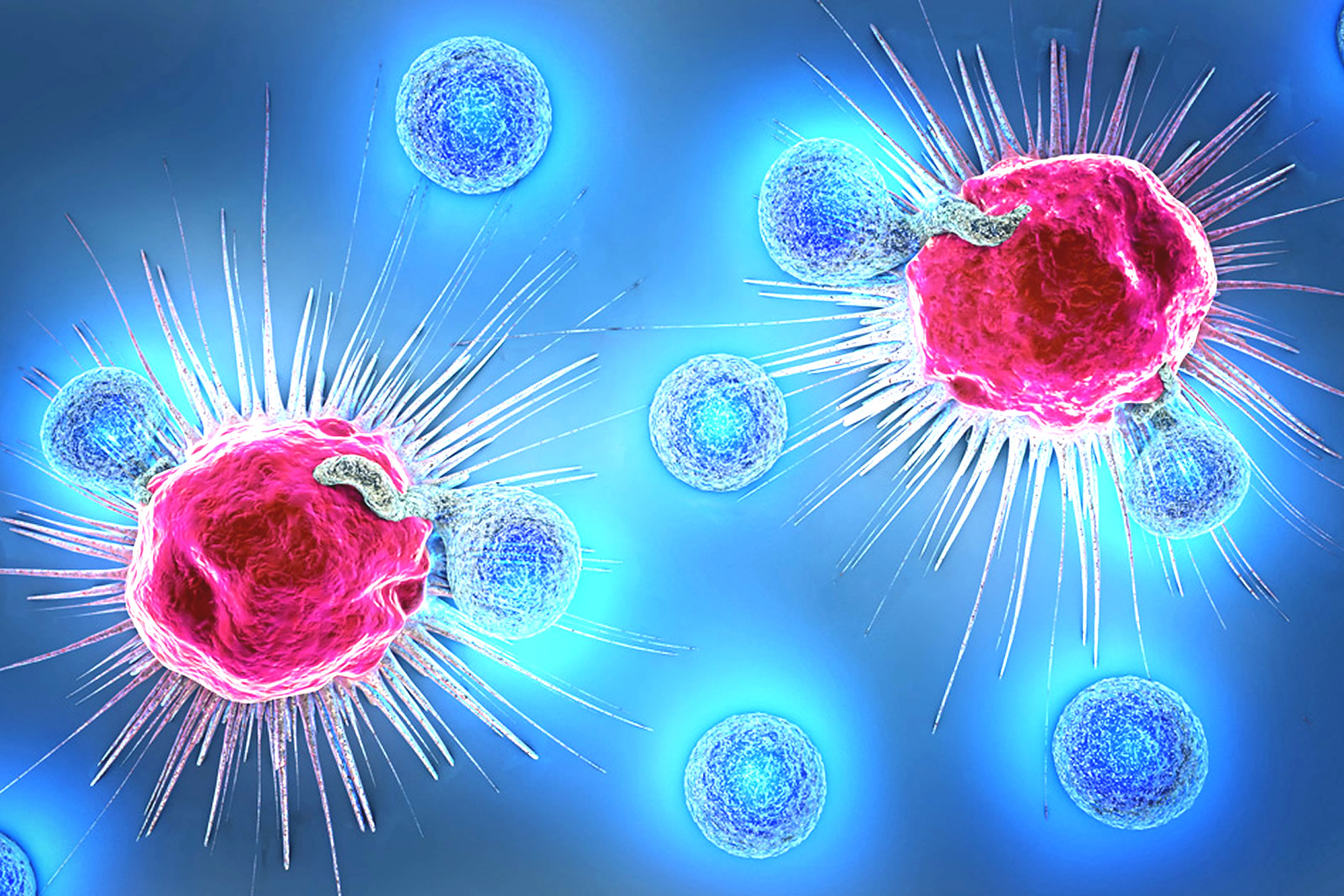
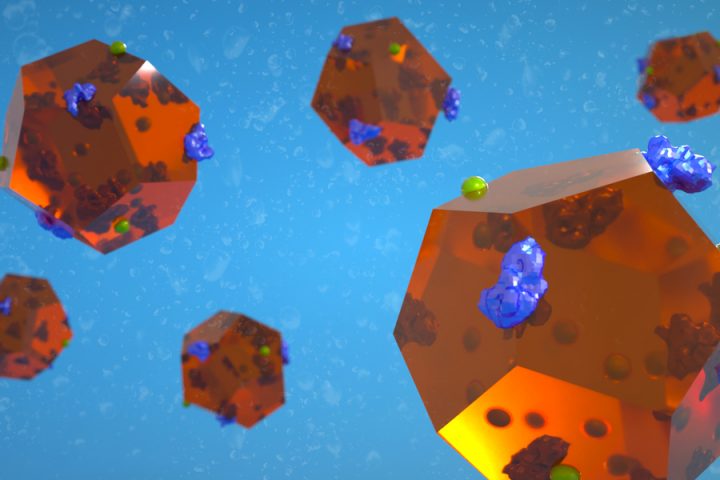
What if you could see inside an individual cancer cell?
Learn More
QS World University Rankings rates MIT ChemE #1
Read More
EXPLORE
Environment and Sustainability
Brandon DeKosky and colleagues take on Cancer Grand Challenges
Read More
EXPLORE
Materials
Langer Lab and colleagues use new nanoparticle to improve vaccines
Read More
arrow-down
Profs Roman and Surendranath boost catalytic reactions with electricity
Read More
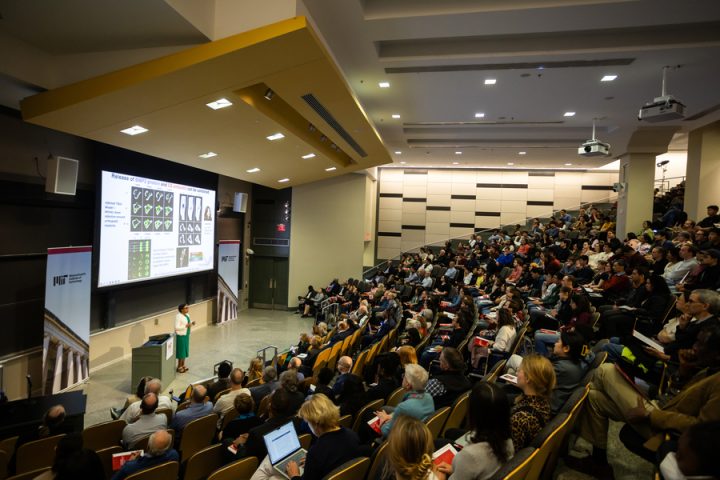
Paula Hammond discusses nanoscale cancer research at the Killian Lecture
Read More
EXPLORE
Transport and Thermodynamics
arrow-down
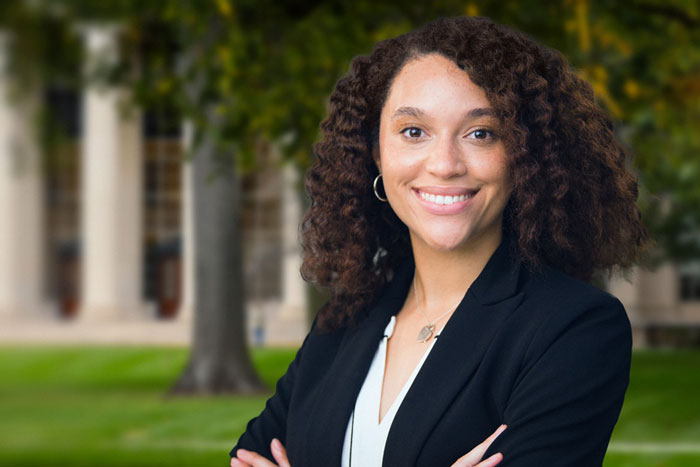
Grad student Sydney Johnson works to make greener steel
Read More
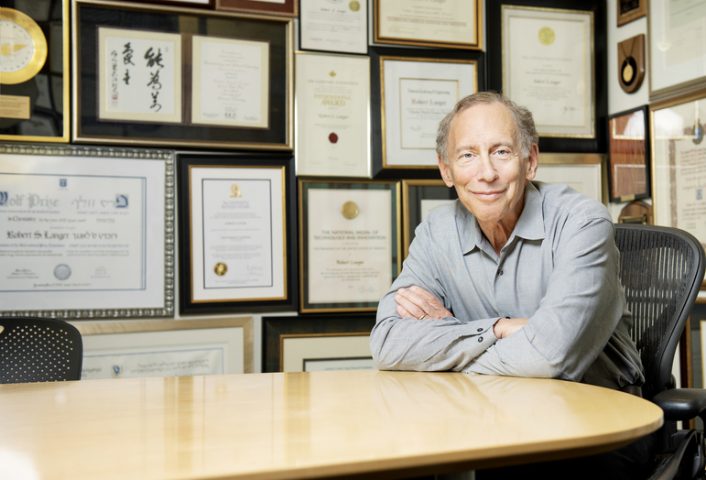
Robert Langer receives Dr. Paul Janssen Award
Read more
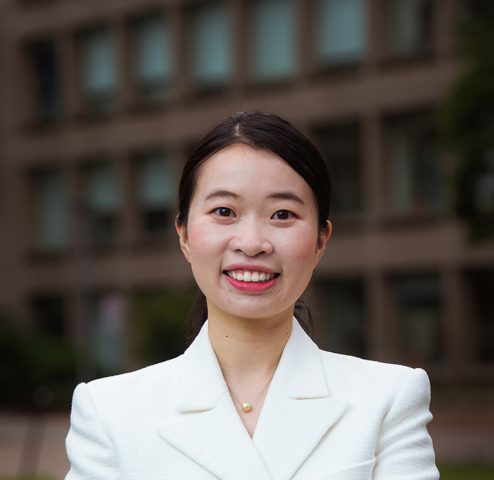
Maggie Qi wins National Science Foundation CAREER Award
About Prof. Qi
EXPLORE
Biomedical and Biotechnology
arrow-down
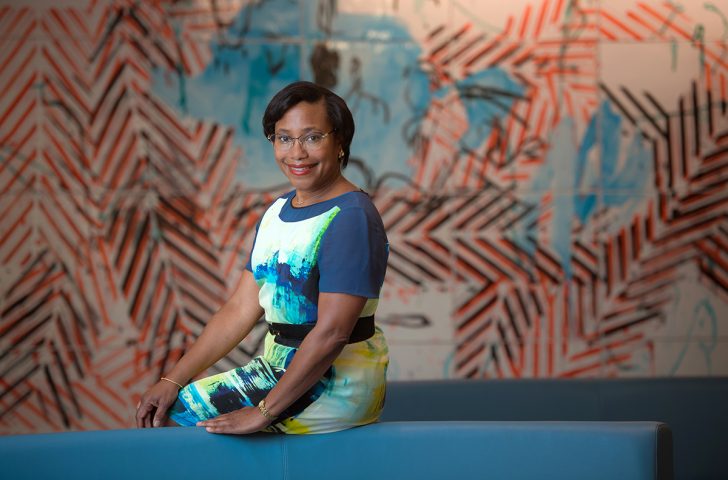
Paula Hammond wins Franklin Medal in Chemistry
Read More
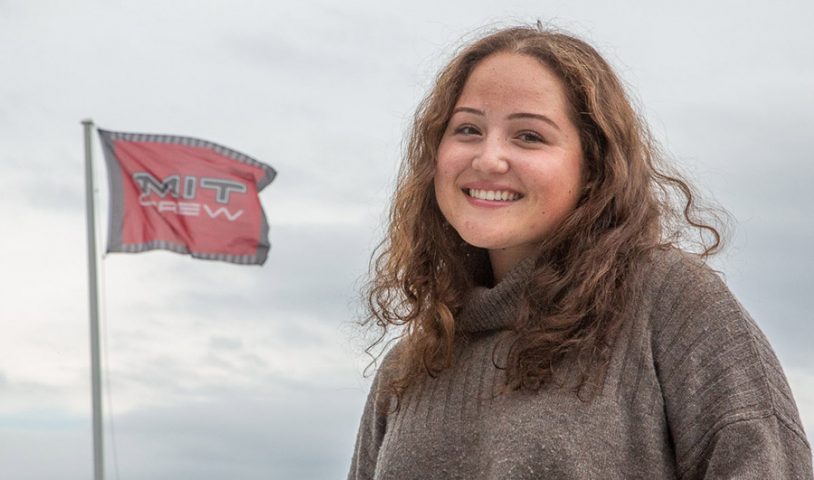
Course X senior Tatum Wilhelm is rowing in the right direction
Read More
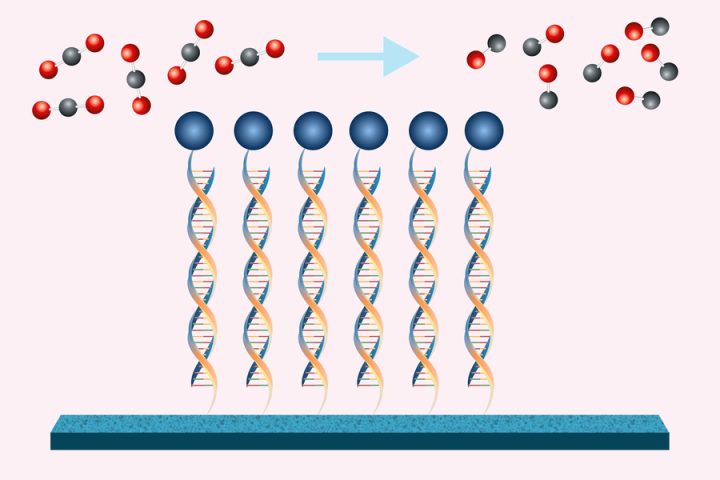
Furst Lab converts carbon dioxide into useful products
Read More
EXPLORE
Catalysis and Reaction Engineering
arrow-down
Atacama Biomaterials, co-founded by former Rutledge Lab postdoc Paloma...
Read More
SoE and ChemE Comms Lab helps students translate research
Read More
EXPLORE
Energy
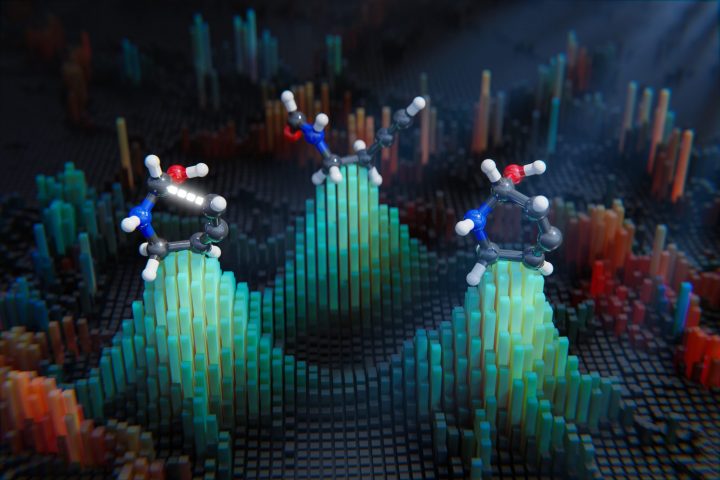
Heather Kulik & colleagues developed a new way to calculate the transition...
Read More
QS World University Rankings rates MIT ChemE #1
Read More
arrow-down
Paula Hammond discusses nanoscale cancer research at the Killian Lecture
Read More
EXPLORE
Environment and Sustainability
Paula Hammond discusses nanoscale cancer research at the Killian Lecture
Read More
Profs Roman and Surendranath boost catalytic reactions with electricity
Read More
EXPLORE
Materials
Brandon DeKosky and colleagues take on Cancer Grand Challenges
Read More
Langer Lab and colleagues use new nanoparticle to improve vaccines
Read More
EXPLORE
Transport and Thermodynamics
arrow-down
Maggie Qi wins National Science Foundation CAREER Award
About Prof. Qi
Grad student Sydney Johnson works to make greener steel
Read More
Maggie Qi wins National Science Foundation CAREER Award
About Prof. Qi
Robert Langer receives Dr. Paul Janssen Award
Read more
EXPLORE
Biomedical and Biotechnology
arrow-down
Furst Lab converts carbon dioxide into useful products
Read More
Paula Hammond wins Franklin Medal in Chemistry
Read More
Furst Lab converts carbon dioxide into useful products
Read More