|
||||||||||||||||||||
|
Good teaching is not easy, and like any other skill it can only be developed with practice. A good understanding of the subject matter is important, but teaching is more than just a process of transferring information from your notes to the students'. As an experienced chemistry student you have been able to take a body of knowledge and organize it logically in your mind; you are now able to fluidly use concepts that you struggled with in the past. Using language and arguments that you now see as obvious may prove meaningless to students who have not developed these into their working knowledge. As a teacher you should consider how your instruction can help lead a novice chemistry student through the same untangling of chemical ideas that you went through. You can begin learning about the skill of teaching by reading through Teaching Chemistry, the TA newsletter. Best teaching practices will also be discussed in more depth during TA training. Some other key points that you can begin to think about now are discussed below. Teacher-Student Interaction For this instruction to be beneficial you will need to interact with your students. Get to know your students, and let them get to know you. Students will respond to you if you are approachable, and make it clear from the beginning of the semester, in words and actions, that you are interested in their mastery of the subject. A dedicated and non-intimidating TA can mean much more to a student's success than an excellent lecturer, a well-written problem set or a textbook. Here are few ideas to consider in beginning a successful relationship with your students:
Promoting Active Learning
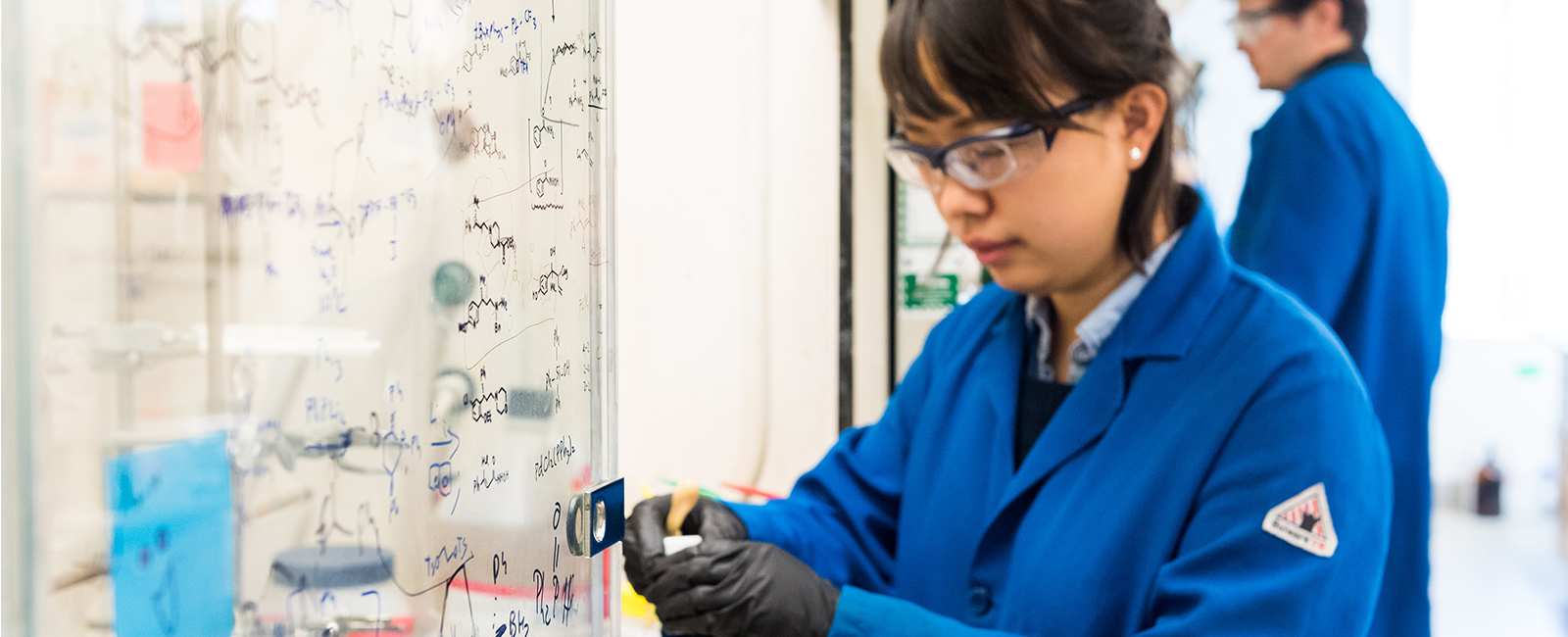
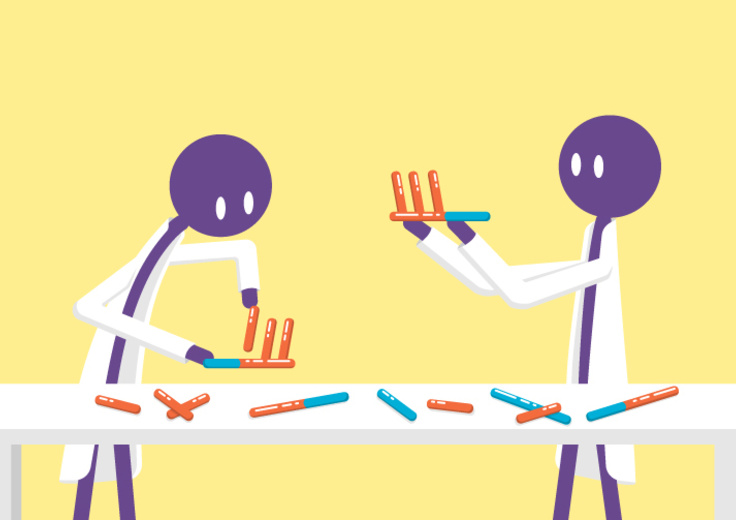
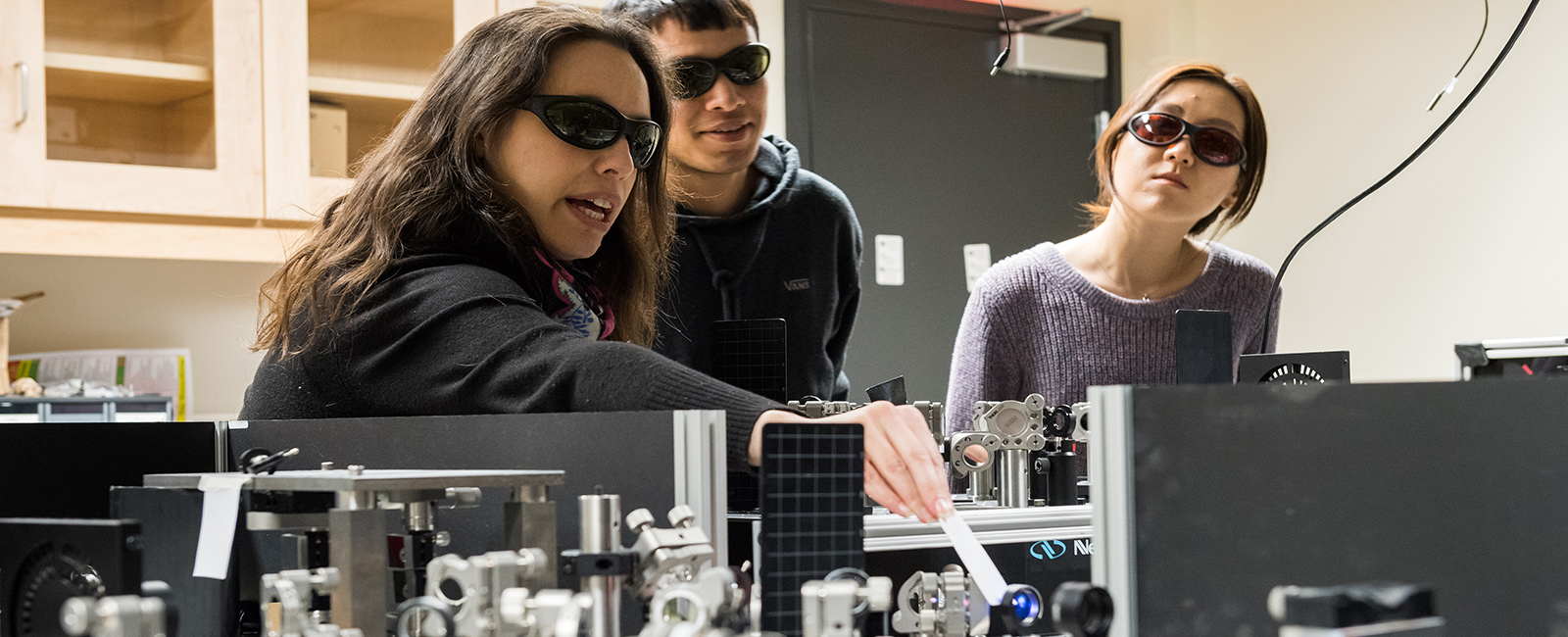
The more you can involve your students in recitation, the more successful they will be in mastering the subject. Keep your students active participants in your recitation, as they will have minimal possibility for doing so in lecture. Get your students up to the board. If that approach seems like too much for your students at first, you can also put a problem up on the board and have them solve it while you walk around the room and look at what they're doing. Another method of successful teaching involves asking your students to solve problems during recitation in small groups of 3 or 4. This technique of collaborative learning will help students put concepts into their own words. If a student can successfully and accurately explain a concept to someone else, then the student fully understands the concept. Your first meeting will be the most important meeting of the semester. If you encourage the students to talk and interact from the start, chances are they'll feel more comfortable participating in later sessions. Teaching in the Laboratory Laboratory TAs have the unique opportunity to develop a one-on-one relationship with their students, serving as mentor and instructor. In laboratory courses, where students are learning new skills which they have never used before, it is absolutely essential to be helpful and supportive. Students may be shy about asking for assistance or reassurance. It is essential that you go to the students rather than expecting them to approach you. In the introductory lab courses, most of the students have had little or no experience in reducing theory to practice. This makes your help the most important factor contributing to their successful acquisition of those skills required of a good experimental chemist. Promote active thinking by asking questions that force the student to make the connection between what they observe and the chemistry behind the observation. |
| Chemistry Home About the Department News and Events Faculty and Research |
Academic Programs Life at MIT After MIT and Career Resources |