Skip over navigation Accesskey=1
MIT Chemistry
HomeMain Menu
Directory Contact Us Search Site Map
  Faculty and Research


Alexander M. Klibanov

Sidebar Graphic

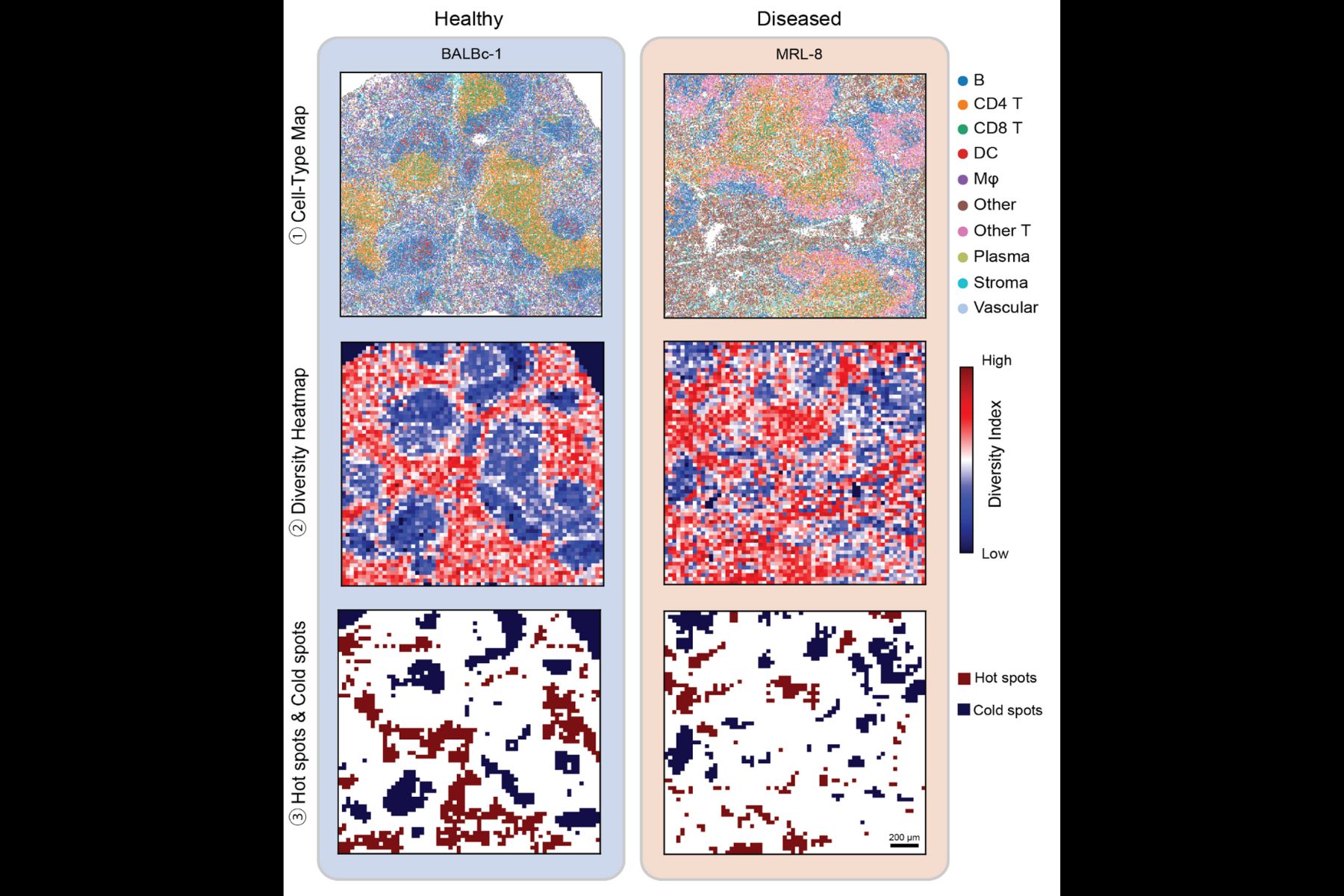
Photographs of a commercial glass slide (top) and that coated with alkylated PEI (bottom) onto which aqueous suspensions of Staphylococcus aureus cells were sprayed, followed by air drying and incubation under growth agar at 37°C. Some 200 bacterial colonies are seen on the top slide, while just 4 on the bottom one.


Alexander M. Klibanov

Alexander M. Klibanov
Novartis Professor of Chemistry and Bioengineering


Room 56-579
(617) 253-3556
Fax: (617) 252-1609
klibanov@mit.edu
Admin. Assistant: Betty Lou McClanahan
Tel: (617) 253-0630


M.S. Moscow University (Russia) 1971
Ph.D. Moscow University (Russia) 1974


Research Summary
Professor Klibanov's current research interests are in the following areas: (i) Enzymatic catalysis in nonaqueous solvents, (ii) Enzymes as stereoselective catalysts in organic synthesis, (iii) Novel microbicidal materials, and (iv) Stabilization and delivery of macromolecular pharmaceuticals (DNA and proteins).

We have discovered the rules that enable enzymes to vigorously act as catalysts in organic solvents containing little or no water. When placed in this unnatural milieu, enzymes acquire some remarkable novel properties, such as greatly enhanced thermostability and strikingly different specificity, including stereoselectivity. Our ultimate goal is to obtain a mechanistic understanding of enzymatic catalysis in nonaqueous media. This knowledge will enable us to control predictably the behavior of enzymes by altering the solvent, rather than the protein molecule itself (as in protein engineering). Enzymes in organic solvents are also used as catalysts of synthetically interesting and challenging processes, such as asymmetric oxidoreductions.

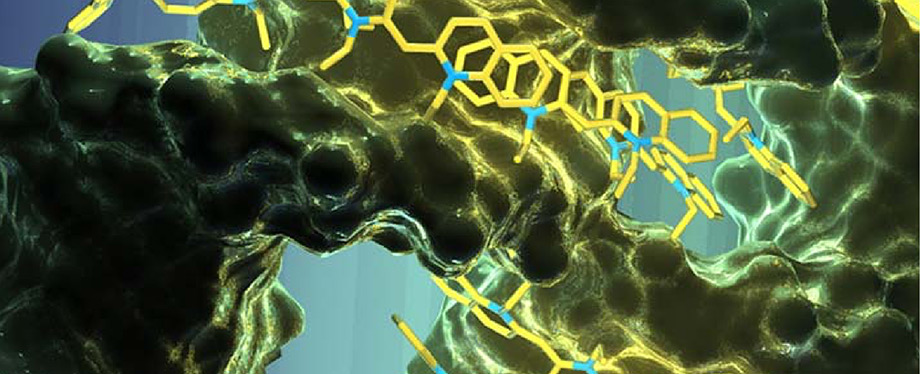
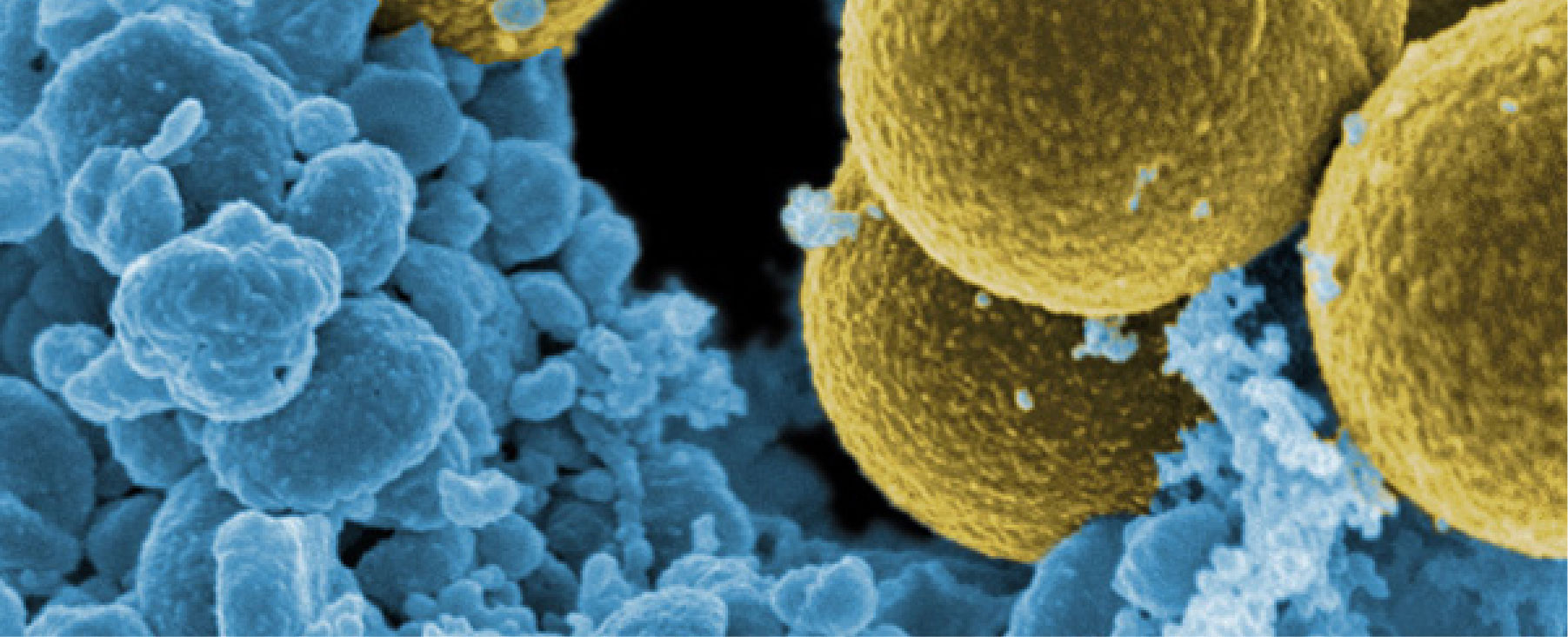
Our recent studies have resulted in a new, “non-release” strategy for rendering common materials (plastics, glass, textiles) permanently microbicidal. This strategy, involving covalent attachment of certain long, moderately hydrophobic polycations to material surfaces, has been proven to be very effective against a variety of pathogenic bacteria and fungi, both airborne and waterborne. This work continues along with a quest for creating material coatings with anti-viral and anti-sporal activities.

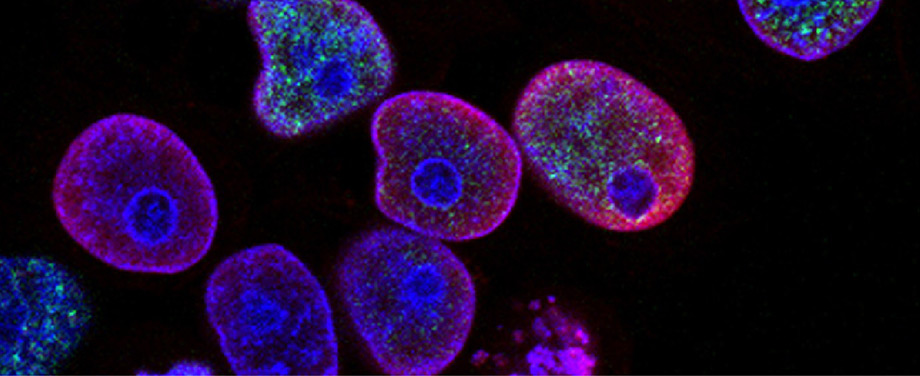
In order to be therapeutically useful, drugs have to be stable and bioavailable. Unfortunately, macromolecular pharmaceuticals are lacking in both respects. We aim to elaborate the mechanism-based approaches to overcoming these obstacles. For example, recently we have undertaken a systematic investigation of the effect of selective chemical modifications of polyethylenimine (PEI) on its efficiency as a vector for plasmid DNA delivery into mammalian cells. As a result, PEI’s derivatives have been discovered with both far greater transfection efficiency and lower toxicity than those of the parent polymer (considered a “gold standard” in non-viral gene delivery vehicles).

REPRESENTATIVE PUBLICATIONS
Klibanov AM. Improving enzymes by using them in organic solvents. Nature 409: 241-246 (2001).

Tiller J, Liao C-J, Lewis K, Klibanov AM. Designing surfaces that kill bacteria on contact. Proc Natl Acad Sci USA 98: 5981-5985 (2001).

Choi WS, Krishna Murthy GG, Edwards DA, Langer R, Klibanov AM. Inhalation delivery of proteins from ethanol suspensions. Proc Natl Acad Sci USA 98: 11103-11107 (2001).

Das PK, Caaveiro JMM, Luque S, Klibanov AM. Binding of hydrophobic hydroxamic acids enhances peroxidase’s stereoselectivity in nonaqueous sulfoxidations. J Am Chem Soc 124: 782-787 (2002).

Lin J, Shuyi Q, Lewis K, Klibanov AM. Bactericidal properties of flat surfaces and nanoparticles derivatized with alkylated polyethylenimines. Biotechnol Progress 18: 1082-1086 (2002).

Lin J, Tiller JC, Lee SB, Lewis K, Klibanov AM. Insights into bactericidal action of surface-attached poly(vinyl-N-hexylpyridinium) chains. Biotechnol Lett 24: 801-805 (2002).

Thomas M, Klibanov AM. Enhancing polyethylenimine’s delivery of plasmid DNA into mammalian cells. Proc Natl Acad Sci USA 99: 14640-14645 (2002).

Lin J, Shuyi Q, Lewis K, Klibanov AM. On the mechanism of bactericidal and fungicidal activities of textiles covalently modified with alkylated polyethylenimine. Biotechnol Bioeng 83: 168-172 (2003).

Klibanov AM. Asymmetric enzymatic oxidoreductions in organic solvents. Curr Opinion Biotechnol 14: 427-431 (2003).

Chakrabarti R, Klibanov AM. Nanocrystals modified by peptide nucleic acids (PNAs) for selective self-assembly and DNA detection. J Am Chem Soc 125: 12531-12540 (2003).

Thomas M, Klibanov AM. Conjugation to gold nanoparticles enhances polyethylenimines transfer of plasmid DNA into mammalian cells. Proc Natl Acad Sci USA 100: 9138-9143 (2003).

Klibanov AM, Schefiliti JA. On the relationship between conformation and stability in solid pharmaceutical protein formulations. Biotechnol Lett 26: 1103-1106 (2004).

Dzyuba SV, Klibanov AM. Stereoselective oxidations and reductions catalyzed by non-redox proteins. Tetrahedron Asymmetry 15: 2771-2777 (2004).

Thomas M, Ge Q, Lu JJ, Chen J, Klibanov AM. Cross-linked small polyethylenimines: while still non-toxic, deliver DNA efficiently to mammalian cells in vitro and in vivo. Pharm Res 22: 373-380 (2005).


MIT Logo      
 
About the Department
News and Events
Faculty and Research
Academic Programs
Life at MIT
After MIT and Career Resources
Environmental Health and Safety
Chemistry Outreach Program
Useful Links and Resources