Campus Life
MIT’s collaborative, hands-on, curiosity-driven ethos extends across our campus — and beyond. On the stage or field, in makerspaces and living communities, MIT is where brilliant, committed, creative people come together to learn, work, live, and play. All the elements are here to cultivate students’ personal and intellectual growth, fostering the whole student.
Our community is a playground for opportunity in the heart of a global innovation hub. Just 364.4 smoots (plus or minus one ear) across the Charles River from Boston — one of the best cities in the world for students — our 168-acre riverside campus brims with daring artists, talented athletes, and a club for just about anything.
Student Life
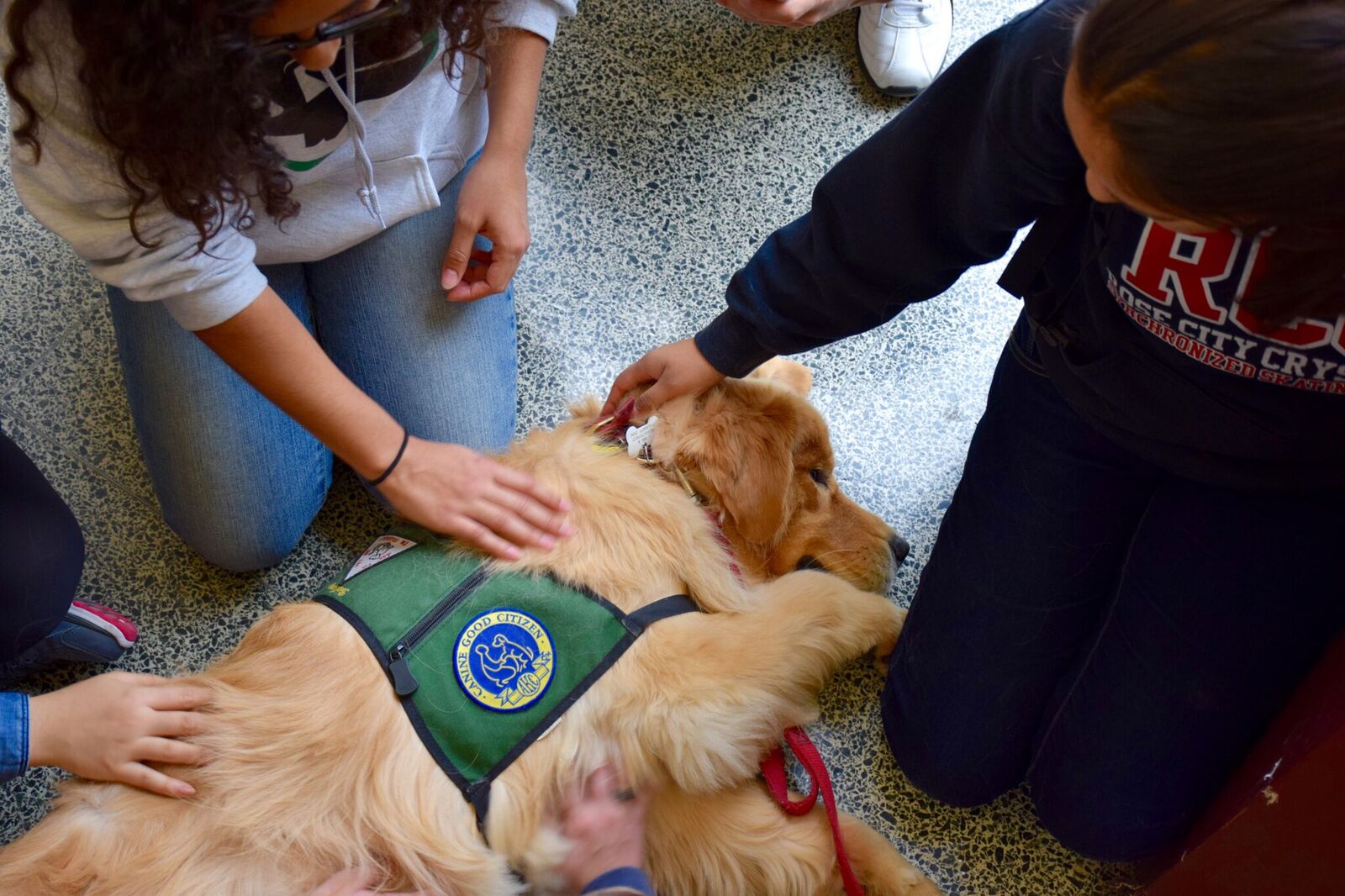
With 500+ student organizations (chocolate science, anyone?), 35 Greek-letter and independent living groups, chaplains for more than 20 faith traditions, and a commitment to community and belonging, student life at MIT offers a welcoming place for everyone. To complement their academics and research, students choose their own extracurricular adventures, from a spectacular array of ways to participate in music, dance, and sports to dozens of groups that savor and celebrate cultures from around the world. To help students navigate challenges, MIT offers a strong support network (bolstered by occasional visits from puppies, pigs, and pygmy goats).
Housing & Dining
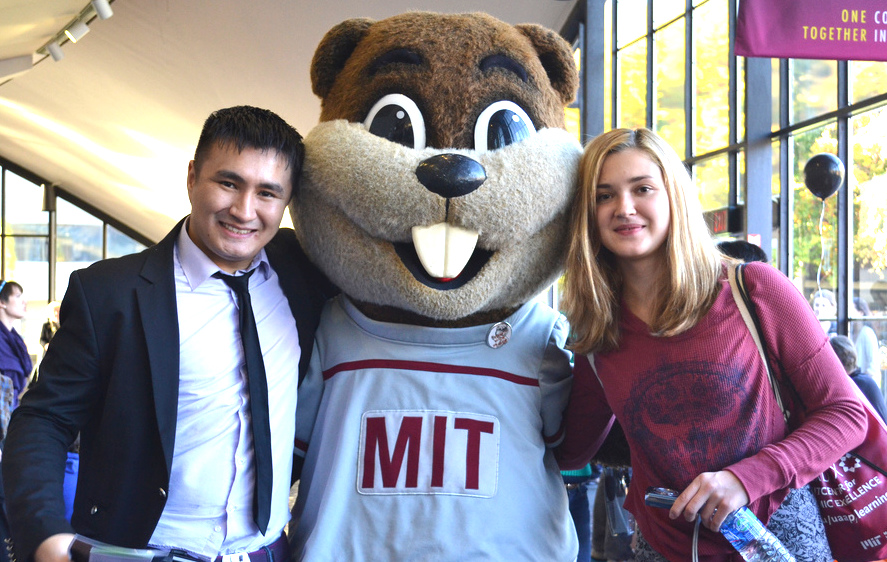
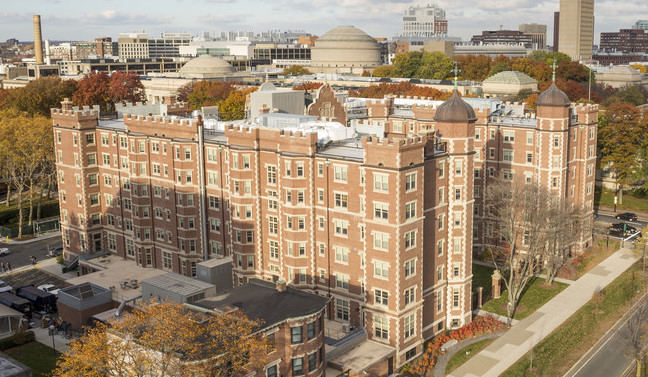
Our residence halls are part entertainment center, part brain trust, part support system, and wholly central to students’ MIT experience. Campus residences have distinct personalities and traditions (like a cross-campus water fight or the Baker House piano drop), which contribute as much to our students’ growth as their academic experiences do. Dining at MIT is about choice and flexibility, with six dining halls, nearly a dozen retail eateries, vending hubs, and a variety of meal plan options.
Athletics & Recreation
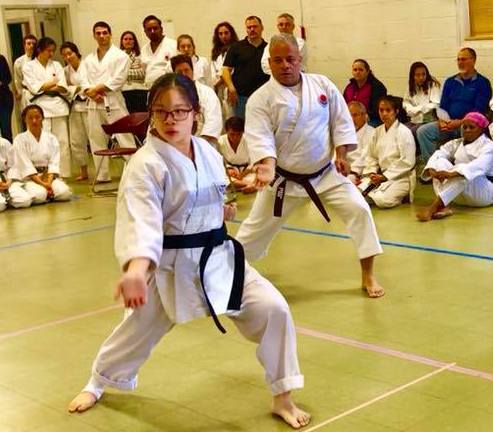
MIT’s Department of Athletics, Physical Education, and Recreation offers sports instruction and participation at all levels. With 33 varsity sports — 16 for men, 15 for women, two co-ed — the Engineers boast 468 Academic All-America citations (the most among all NCAA Divisions) and over 1,500 athletic All-America honors. We also work to foster community, inspire leadership, and promote wellness through physical education, recreation programs, club sports, intramurals — and, for the swashbuckling, the pirate arts.

Arts
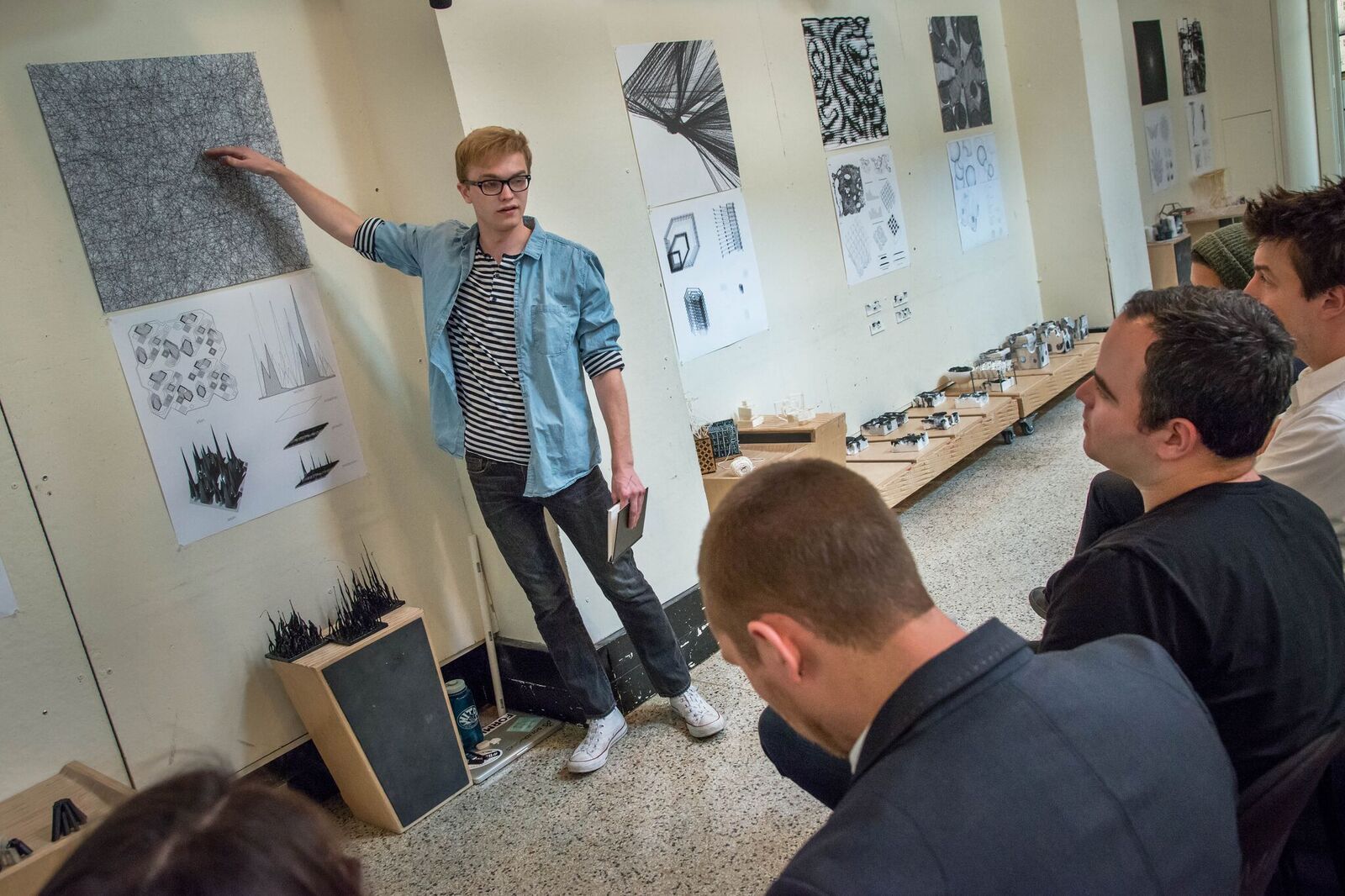
The arts thrive naturally in MIT’s creative culture of experimentation and innovation that crosses every discipline. On a campus that features more than 3,500 noted works of contemporary art and landmark buildings by legendary architects like Frank Gehry and I.M. Pei, more than half of all undergraduates enroll in arts classes each year.

Community & Belonging
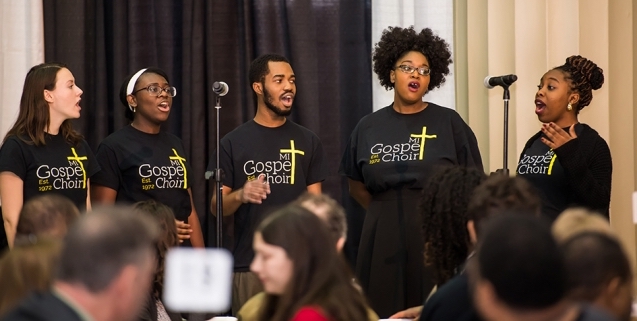
At MIT, we welcome and support a varied community of remarkable talent. But we know that to make a better world, we must work to continually make a better MIT. With that inspiration, we strive to remove barriers to talent wherever we find them, to build mutual understanding across our campus, to celebrate our wonderful range of cultures and backgrounds — and to help everyone in our community feel at home at MIT.
Health & Wellness
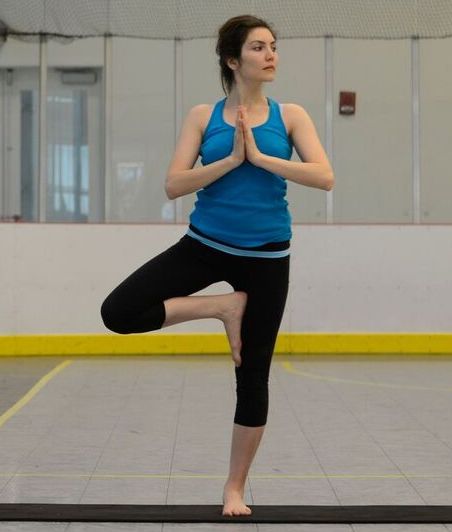
Succeeding at MIT means staying healthy — mind and hand, body and soul. Everyone needs a checkup or a check-in sometime. The Institute’s network of physical and mental support resources aims to keep our community happy, healthy, and active. And, through initiatives like DoingWell, we are always looking for ways to engage students, faculty, and staff to make MIT stronger and more welcoming. In that spirit, we have created a new Wellbeing Lab in the Student Center, which offers workshops, demonstrations, classes, and other programs focused on self-care—as well as a space to simply relax and recharge.