



The MIT Concrete Sustainability Hub makes key impacts in three areas:
Carbon Neutrality
Carbon neutral concrete is possible. Solutions are available today, and new ones are being developed for the future. One of the major goals of MIT CSHub is to help realize a carbon neutral concrete industry.
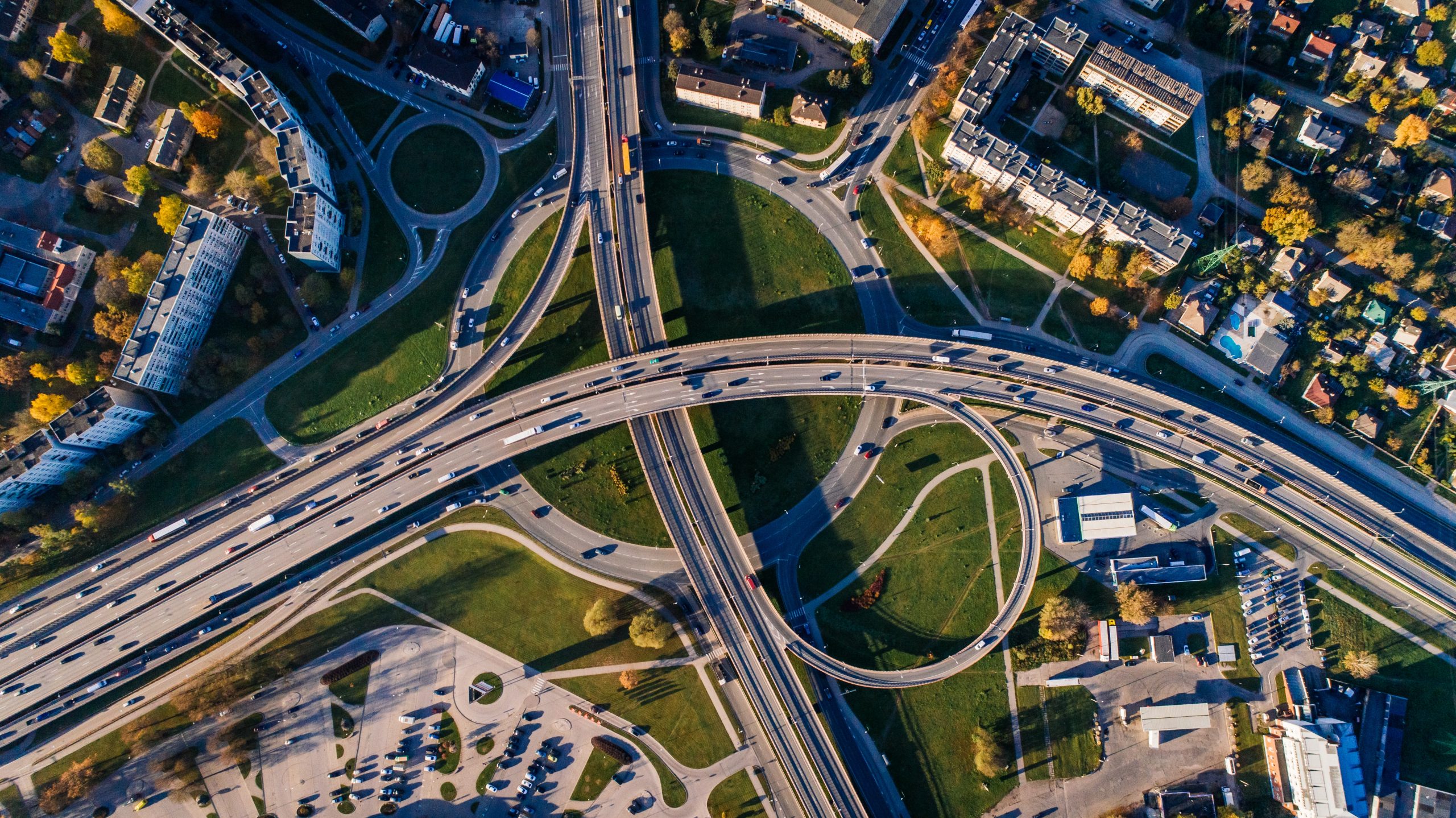
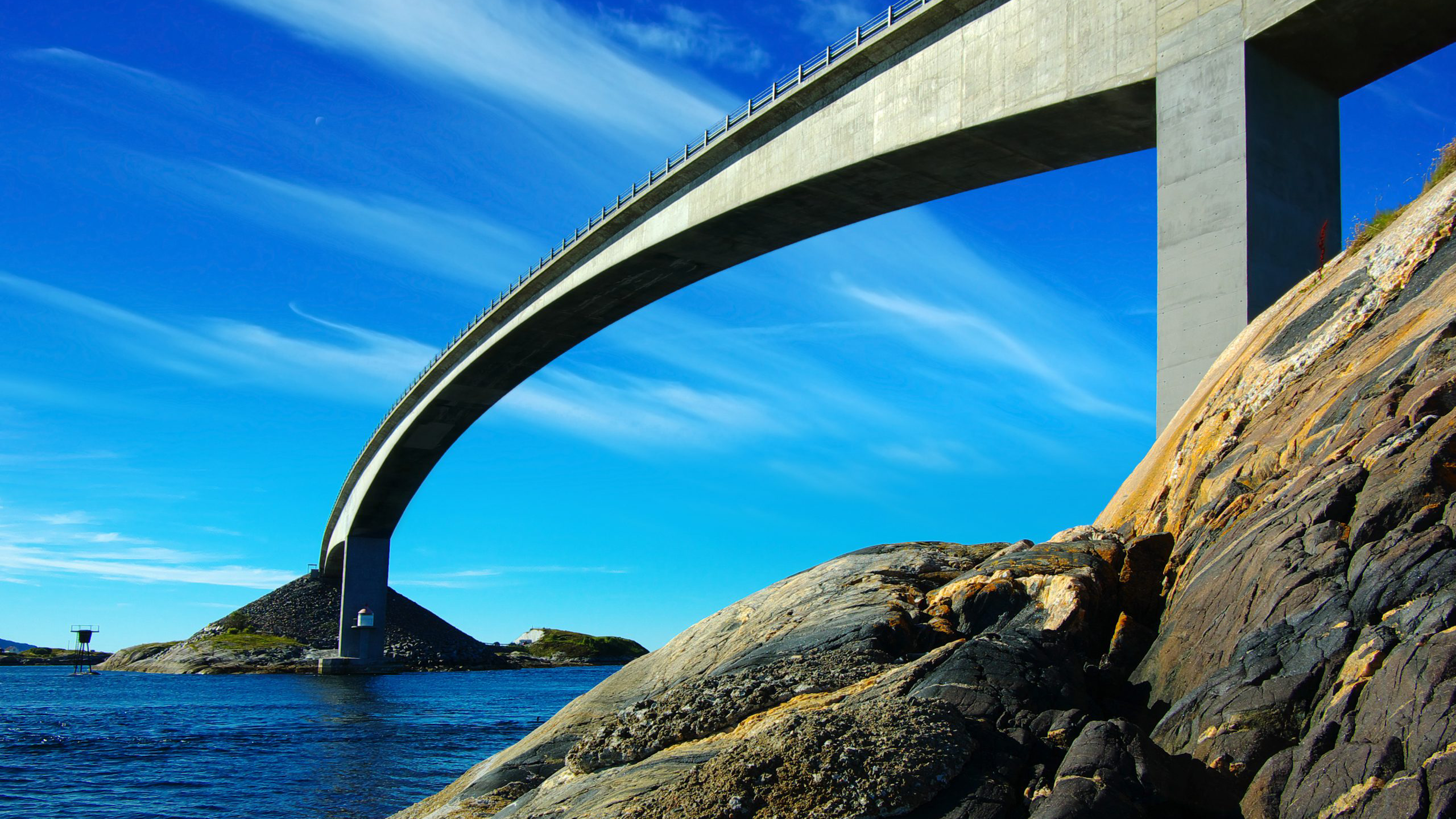
Infrastructure
Effective, sustainable infrastructure spending can improve system performance and impact climate change. MIT CSHub investigates how low carbon infrastructure may be built with very finite resources.
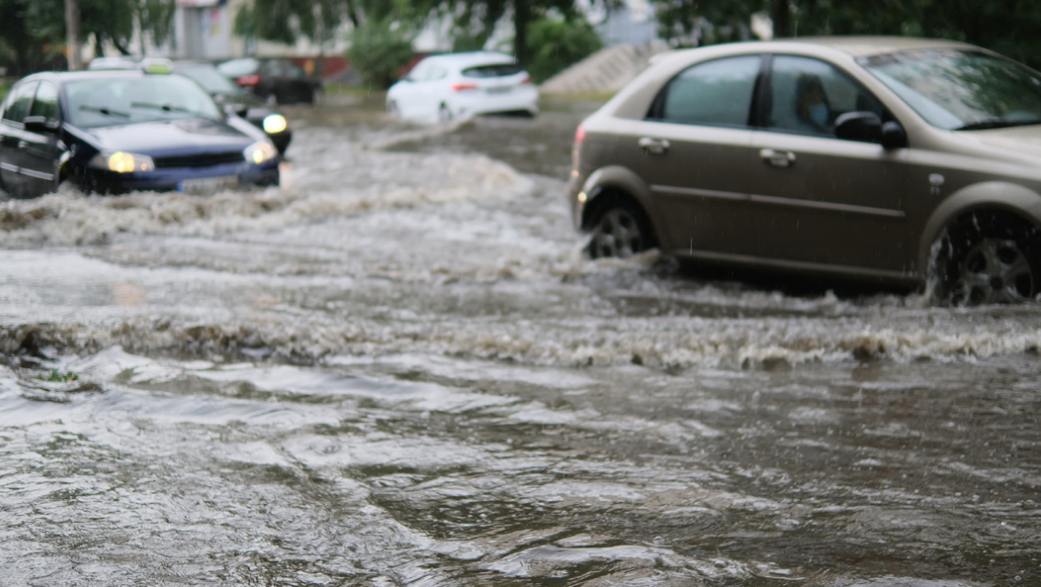
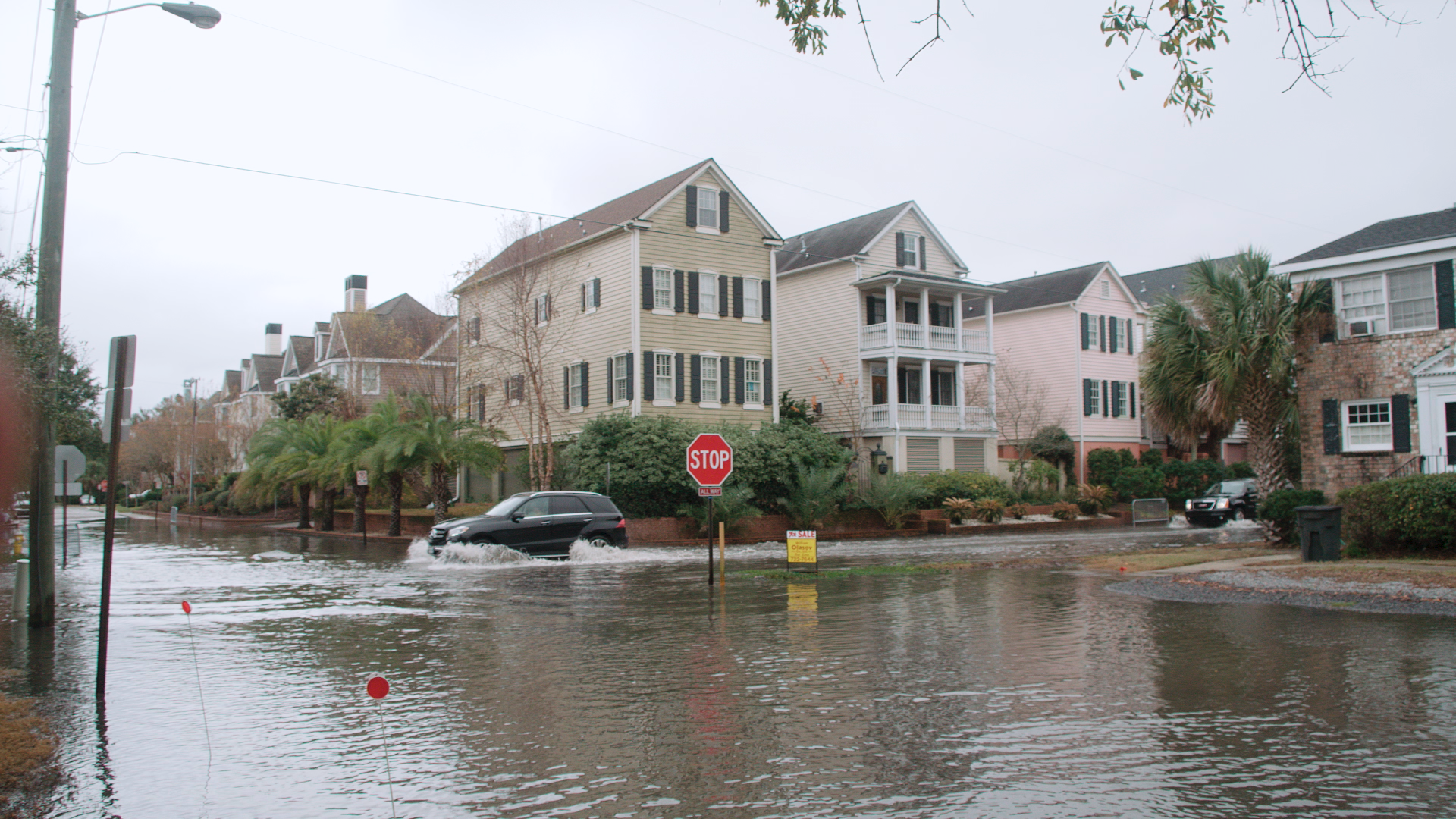
Resilience
The risk of hazards like natural disasters and extreme heat is underestimated. Stronger construction to mitigate it is undervalued. MIT CSHub studies how cities can be made more resilient to hazards through investment in stronger, cooler construction.
Our mission:
The MIT Concrete Sustainability Hub (CSHub) is a dedicated interdisciplinary team of researchers from several departments across MIT working on concrete and infrastructure science, engineering, and economics since 2009. The MIT CSHub brings together leaders from academia, industry, and government to develop breakthroughs using a holistic approach that will achieve durable and sustainable homes, buildings, and infrastructure in ever more demanding environments.
Why study concrete sustainability?
More concrete is produced than any other material on Earth. In the foreseeable future, there is no other material that can replace concrete to meet our societies’ needs for housing, shelter, schools, and infrastructure. It is an inexpensive construction material with a relatively small environmental footprint, but its attractive properties have lead to massive use that contributes approximately 5% of global CO2 production.

News
-
Whitepaper: Reducing Carbon Emissions in the Built Environment: A Case Study in 3D Printed Homes
Whitepaper: “Reducing Carbon Emissions in the Built Environment: A Case Study in 3D Printed Homes” In this whitepaper, Hessam AzariJafari and Randolph Kirchain join Francesca …
-
Hessam AzariJafari to be a panelist at the Transatlantic Institute for Sustainable Trade’s roundtable in Washington, D.C.
Hessam AzariJafari will be a featured panelist at the Transatlantic Institute for Sustainable Trade’s roundtable on 1/31, “Creating a Market for Green Cement and Concrete …
-
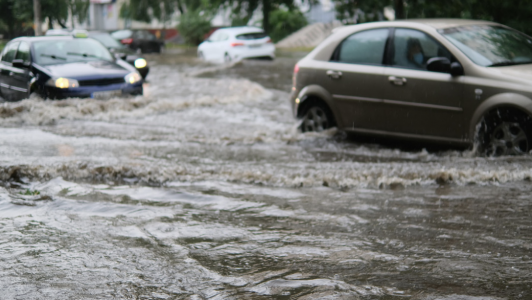
Research Brief: Accessible Multi-scale Flood Modeling via the 3D Lattice Approach
Danial Amini and Johannes Kalliauer describe an accessible and inexpensive flood modeling approach accounting for city texture. Click here to read more.
-
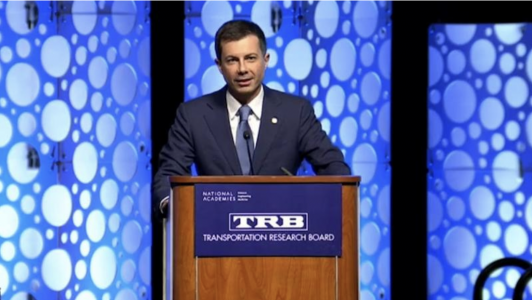
Franz-Josef Ulm and Pete Buttigieg for TRB panel: “New Materials for Infrastructure: Reinventing the Roadway, Runway, & Railway”
Link to the panel here Learn more about our research: https://cshub.mit.edu/
-

The Hill: We’re overhauling our cars in the name of energy efficiency — why not our roads?
In their new op-ed in The Hill, Randolph Kirchain and Hessam AzariJafari explain why road improvements enhancing pavement stiffness and smoothness are essential to improve …
-
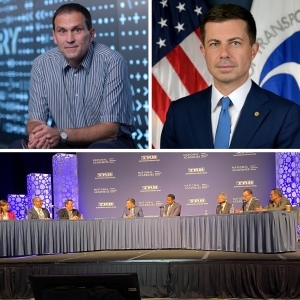
Franz-Josef Ulm sits on TRB USDOT panel with Pete Buttigieg
Franz-Josef Ulm sat on a panel with Pete Buttigieg at the Transportation Research Board’s 2024 meeting yesterday. The panel was part of a U.S. Department …