
The MIT School of Engineering’s mission is to educate the next generation of engineering leaders, to create new knowledge, and to serve society.
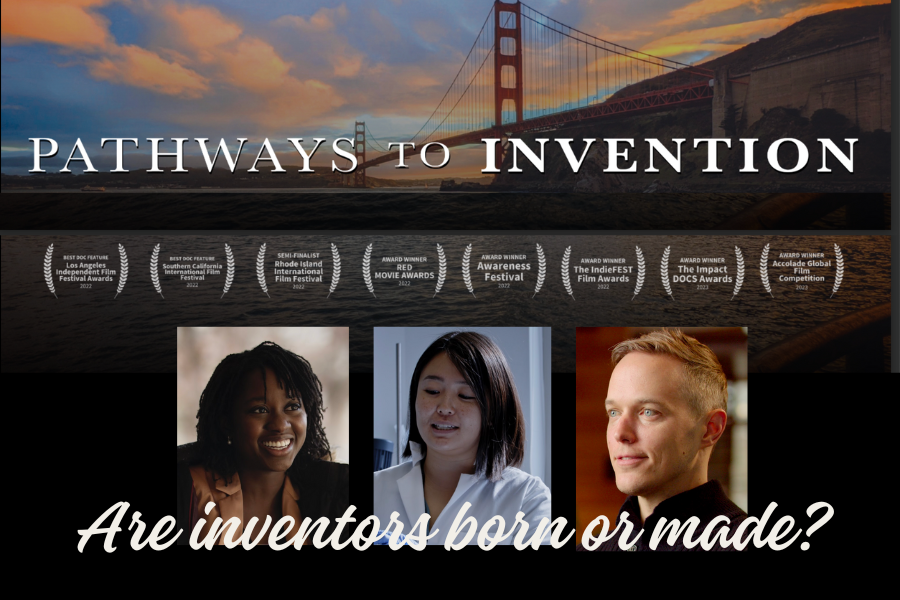
“Pathways to Invention” documentary debuts on PBS, streaming
The Lemelson-MIT Program has announced the national debut of an award-winning documentary that celebrates invention: American Public Tel ...
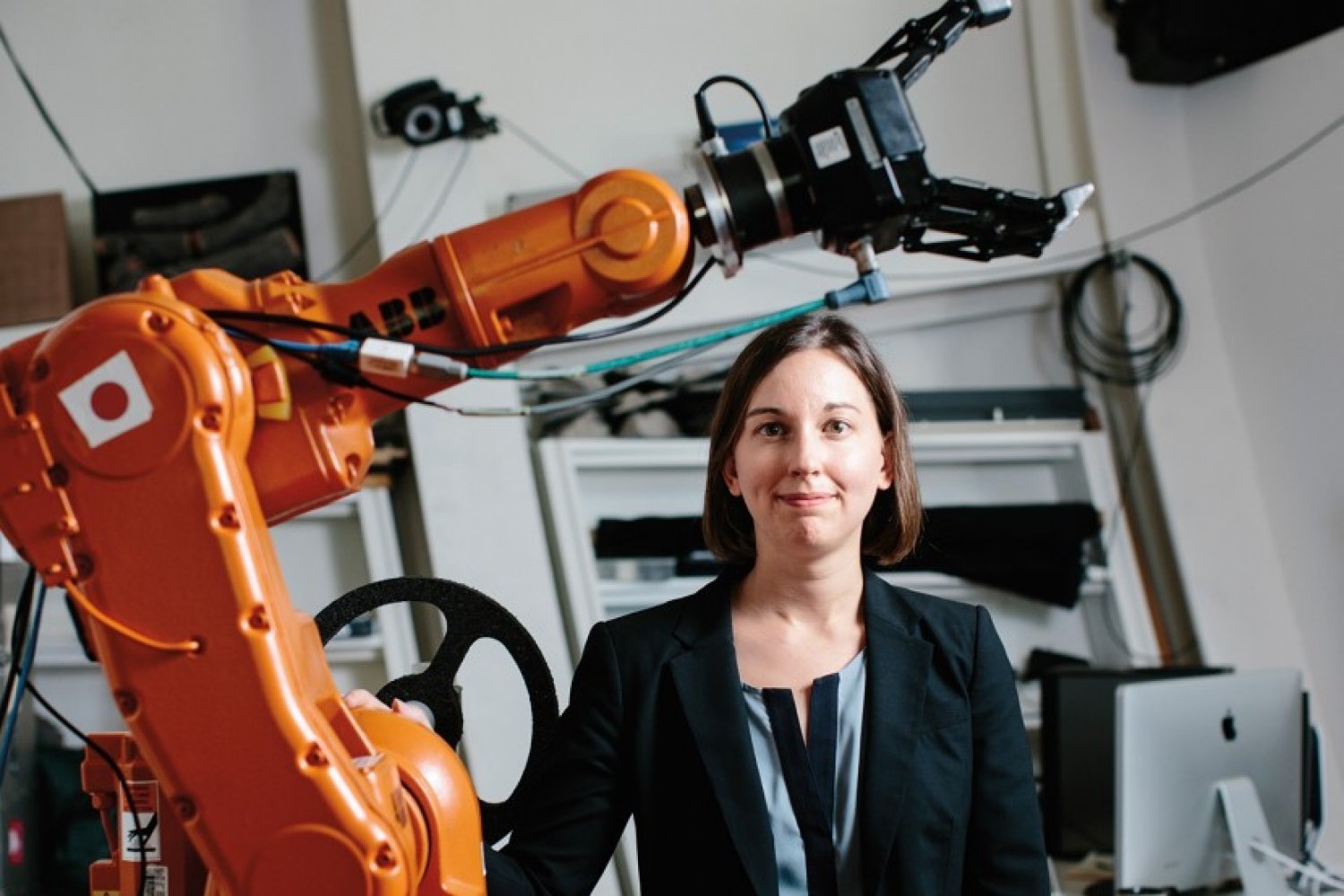
Julie Shah named head of the Department of Aeronautics a ...
Julie Shah ’04, SM ’06, PhD ’11, the H.N. Slater Professor in Aeronautics and Astronautics, has been named the new head of the Departmen ...
- A better way to control shape-shifting soft robots
- From steel engineering to ovarian tumor research
- Professor Emeritus David Lanning, nuclear engineer and key contributor to the MIT Reactor, dies at 96
- Discovering community and cultural connections
- MIT Supply Chain Management Program earns top honors in three 2024 rankings
Video Spotlight
Thriving Stars at MIT EECS
The Thriving Stars program in MIT’s Department of Electrical Engineering and Computer Science is on a mission to improve gender representation in electrical engineering and computer science.
Engineering In Action
-

Unlocking mRNA’s cancer-fighting potential
What if training your immune system to attack cancer cells was as easy as training it to fight Covid-19? Many people believe the technology behind some Covid-19 vaccines, messenger RNA, holds great promise for stimulating immune responses to cancer. -

Device could jumpstart work toward quantum internet
In research that could jumpstart work toward the quantum internet, researchers at MIT and the University of Cambridge have built and tested an exquisitely small device that could allow the quick, efficient flow of quantum information over large distances. -
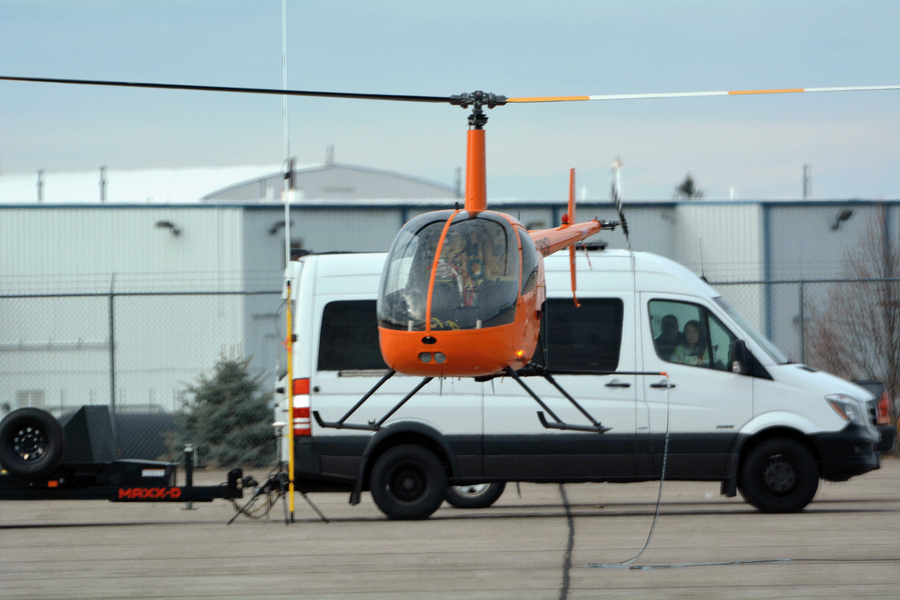
Safer skies with self-flying helicopters
In late 2019, after years of studying aviation and aerospace engineering, Hector (Haofeng) Xu decided to learn to fly helicopters. At the time, he was pursuing his PhD in MIT’s Department of Aeronautics and Astronautics, so he was familiar with the risks associated with flying small aircraft. But something about being in the cockpit gave […] -

The future of motorcycles could be hydrogen
MIT’s Electric Vehicle Team, which has a long record of building and racing innovative electric vehicles, including cars and motorcycles, in international professional-level competitions, is trying something very different this year: The team is building a hydrogen-powered electric motorcycle, using a fuel cell system, as a testbed for new hydrogen-based transportation. -
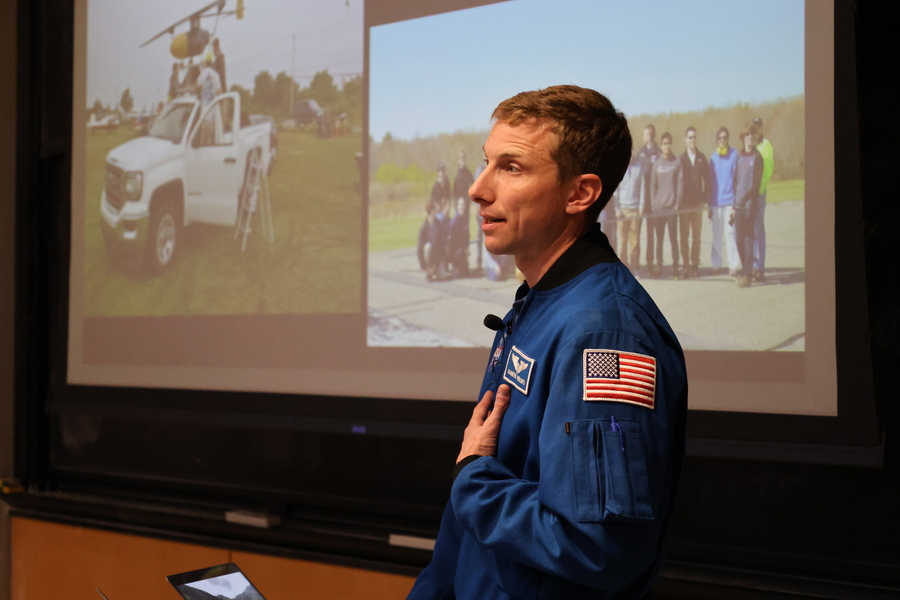
How to be an astronaut
The first question a student asked Warren “Woody” Hoburg ’08 during his visit to MIT’s Department of Aeronautics and Astronautics (AeroAstro) this November was: “It seems like there’s no real way to know if being an astronaut is something you could really do. Are there any activities we can try out and see if astronaut-related […]