People
|
|
|
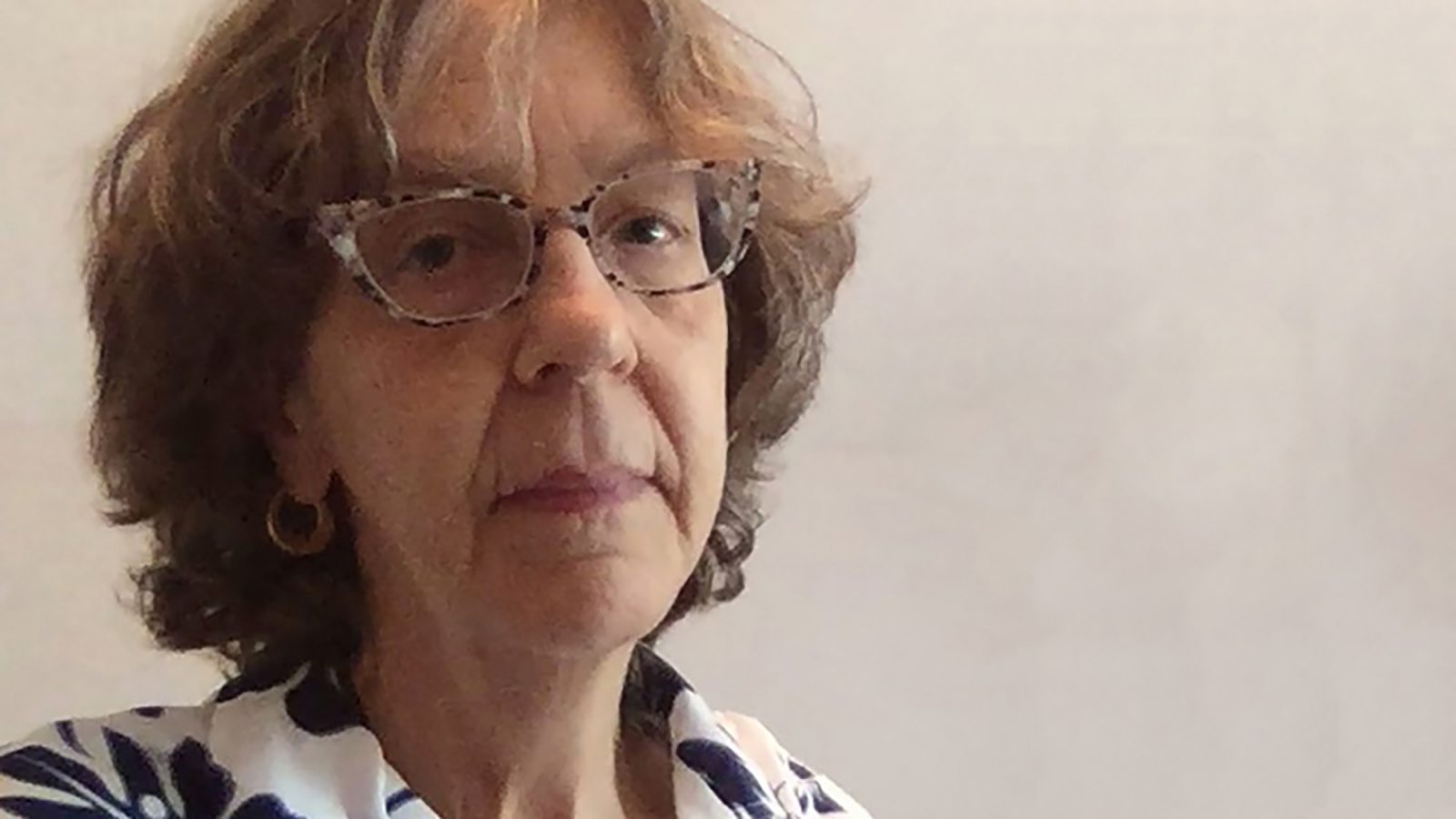
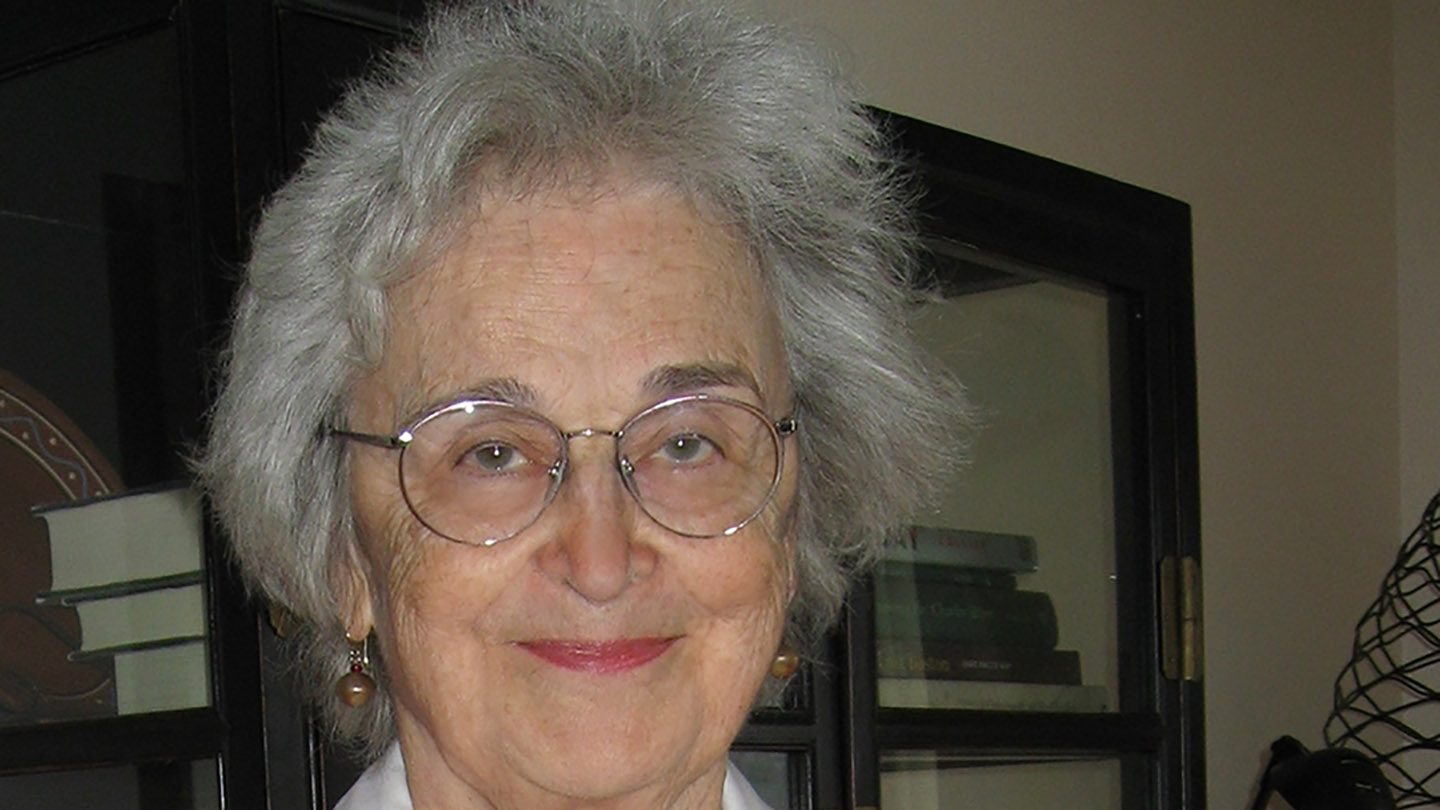
Elizabeth Garrels Professor of Spanish and Latin American Studies egarrels@mit.edu more contact info |

Member of LASA and the Instituto Iberoamericano; has received an SSRC grant, MIT's Levitan Prize, and the 2006 NECLAS Translation Prize for her work on Sarmiento's autobiography.

Publisher's presentation of book:
This new edition of Teresa de la Parra's 1924 feminist novel "Ifigenia:
Diario de una señorita que escribio porque se fastidiaba" contains a
substantive prologue by Elizabeth Garrels, Professor of Spanish and Latin
American Studies at M.I.T. and author of the well-received monograph "Las
grietas de la ternura: Nueva interpretación de Teresa de la Parra"
(published in 1986 by Monte Avila Editores) on the author's second and last
novel, "Las memorias de Mama Blanca". In addition, it includes a short
bibliography of recommended readings for the student who wishes to do
further reading on "Ifigenia", as well as extensive footnotes meant to
clarify the historical references and cultural allusions and to translate
the many French and specifically Venezuelan words and expressions that
appear in the novel, itself.
Among other things, Garrels's prologue discusses the differences and
similarities between the biography of Teresa de la Parra and her fictional
protagonist Maria Eugenia Alonso. The early male critics of the novel (as
well as recent film versions and You-Tube videos on the author and her
works) often share a common desire to conflate the thirty-five year old
author with her eighteen year old character. The prologue argues that the
difference in age, as well as the significantly distinct historical
stretches during which the two of them inhabit Caracas and Paris, have all
too often been perilously sidestepped by Ifigenia's readers.
This insistence on contextualizing the author and her character is intended
to help the reader appreciate the complexity and sophistication of Teresa
de la Parra's achievement in this novel that has too often been taken at face value.
The prologue also aims to identify the contributions made to the ongoing
interpretation of "Ifigenia" by its best professional critics. Thus, the
second half of the prologue discusses at length the literary texture of the
novel, and in particular its indebtedness to multiple precursors and genres
in the western literary tradition.
Finally, the prologue polemicizes the novel's ending, which has proved a
disappointment for many readers as well as a confirmation of personal
prejudice for others. It considers whether the novel forces us to accept a
closed ending or whether it allows us the possibility of an open one. The
footnotes to the novel complement the prologue with brief discussions of
such relevant historical issues as theories of race in the Venezuela of the
early 1920's, the legal status of Venezuelan women during the dictatorial
regime of Juan Vicente Gomez (1909-1935), and the nature of Venezuela's
divorce law such as it was when the young María Eugenia Alonso turned
her thoughts to getting married.