
Welcome to GCWS
Consortium for Graduate Studies in Gender, culture, Women, and sexuality
About us
The Consortium for Graduate Studies in Gender, Culture, Women, and Sexuality, hosted by MIT, brings together feminist scholars and teachers from nine Boston area institutions for the purpose of advancing interdisciplinary, intersectional feminist scholarship and teaching in the areas of women’s, gender, and sexuality studies. The consortium is committed to the following:
Exploring the intersections of power and identity, including but not limited to gender, race, ethnicity, class, physical ability, nationality, religion, and language
Cultivating collaborative intellectual communities across fields and disciplines
Supporting innovative pedagogical practices
Contributing to the professional development of students and faculty
Providing a sustainable model of institutional collaboration
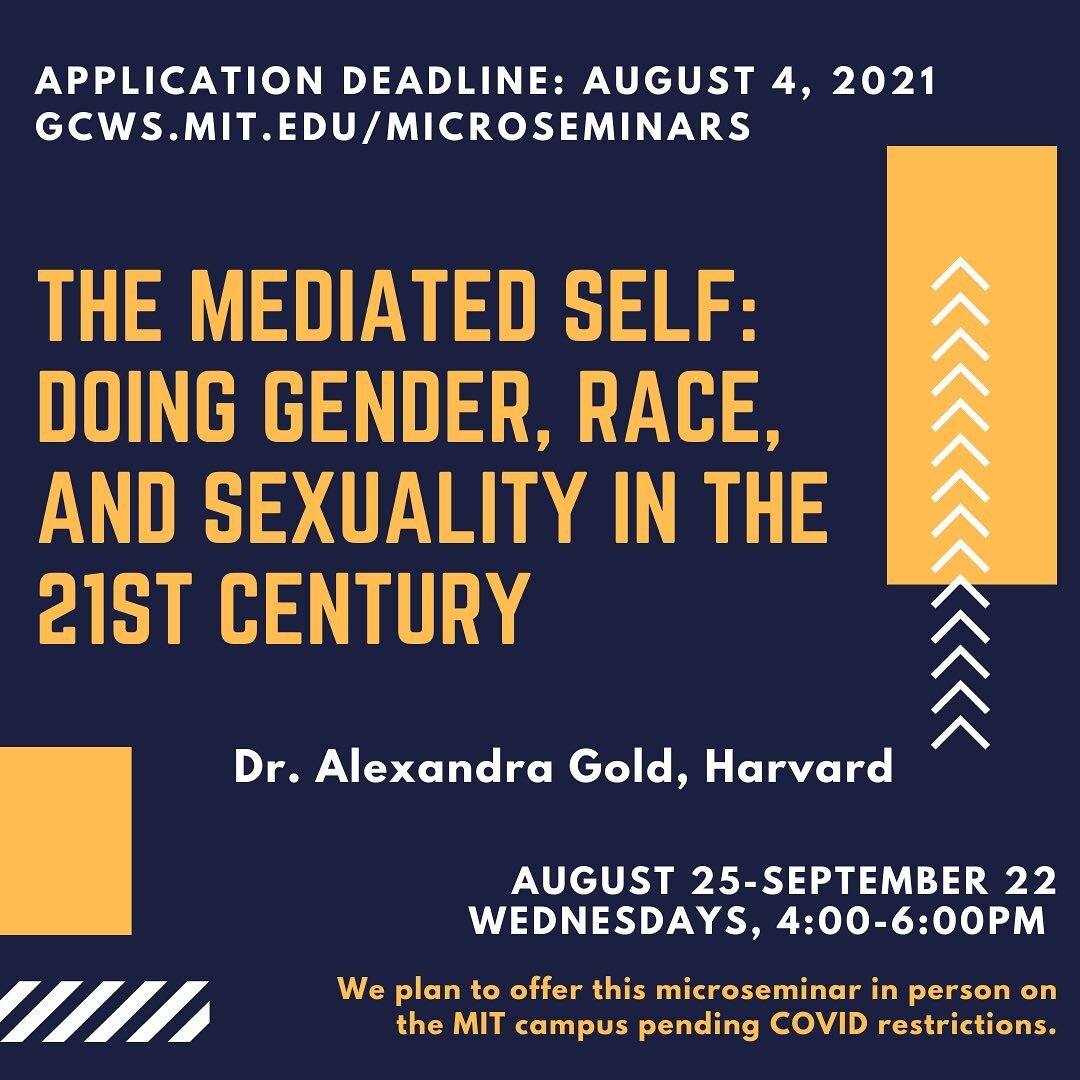
The GCWS offers interdisciplinary, team-taught, graduate-level courses for Masters and PhD students at our member institutions that are led by faculty in a range of disciplines from our member institutions. The Consortium connects scholars through courses, events, and micro-seminars throughout the academic year. It is led by a committed and dedicated Board of Representatives, made up of a faculty representative from each member institution.
Courses
Students
GCWS courses are credit-bearing for Masters and PhD students of any discipline at our member institutions. Students may cross-register for our classes as part of the standard tuition they pay at their home institution. GCWS offers up to six courses per year. Our topic-based courses change each year and our core courses include:
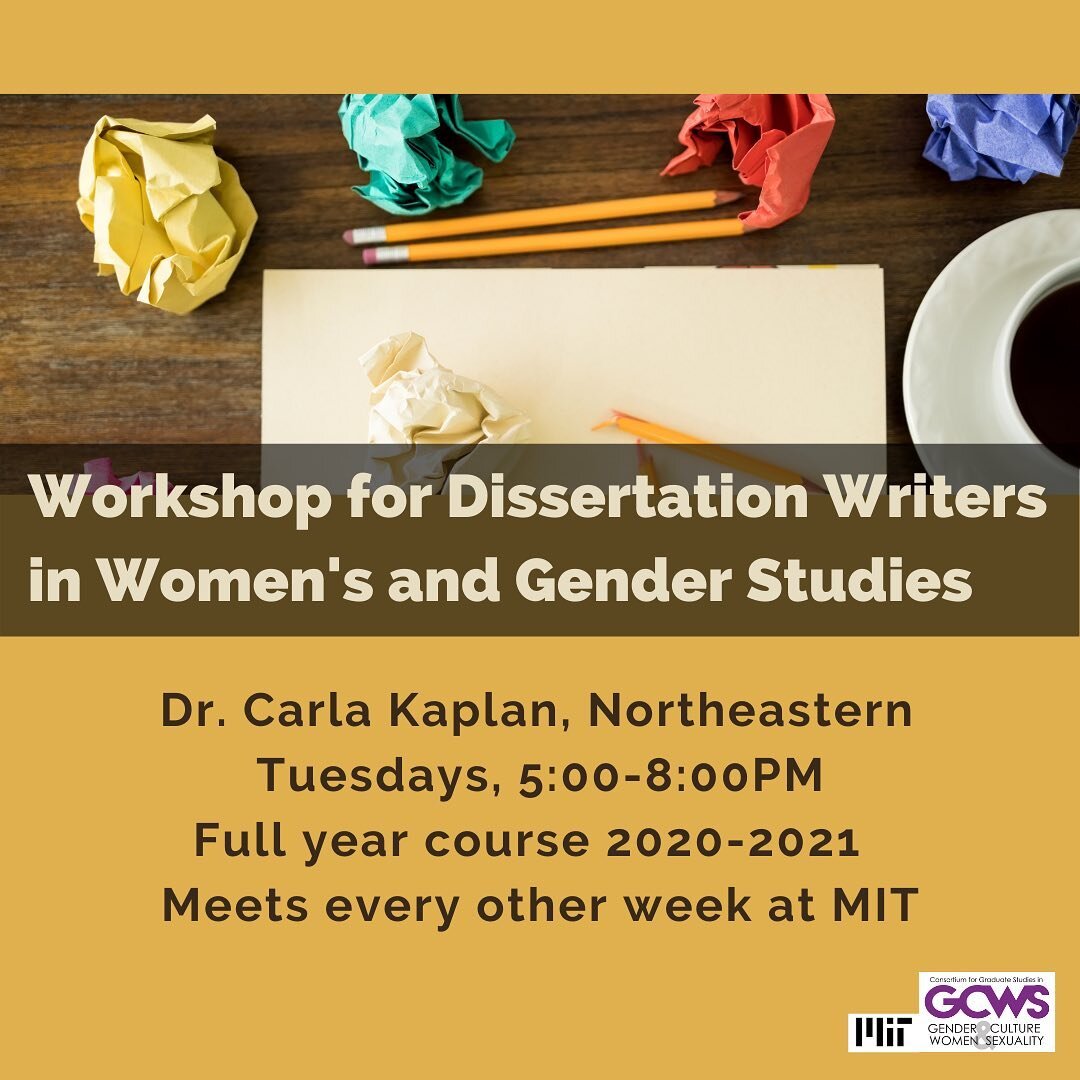
Workshop for Dissertation Writers in Women’s and Gender Studies,
Feminist and Queer Theory
Feminist and Queer Methodology
Students must submit an application to be considered for a GCWS course.
Faculty
GCWS courses are taught by faculty of any discipline at our member institutions. Course proposals should explicitly integrate gender analysis with issues of class, race, culture, ethnicity, and sexualities, and consider the practical implications of feminist theory. Courses are designed to open paths to the creation of new knowledge and provide intellectual support for students pursuing feminist work within the framework of traditional disciplines.
Microseminars
Events
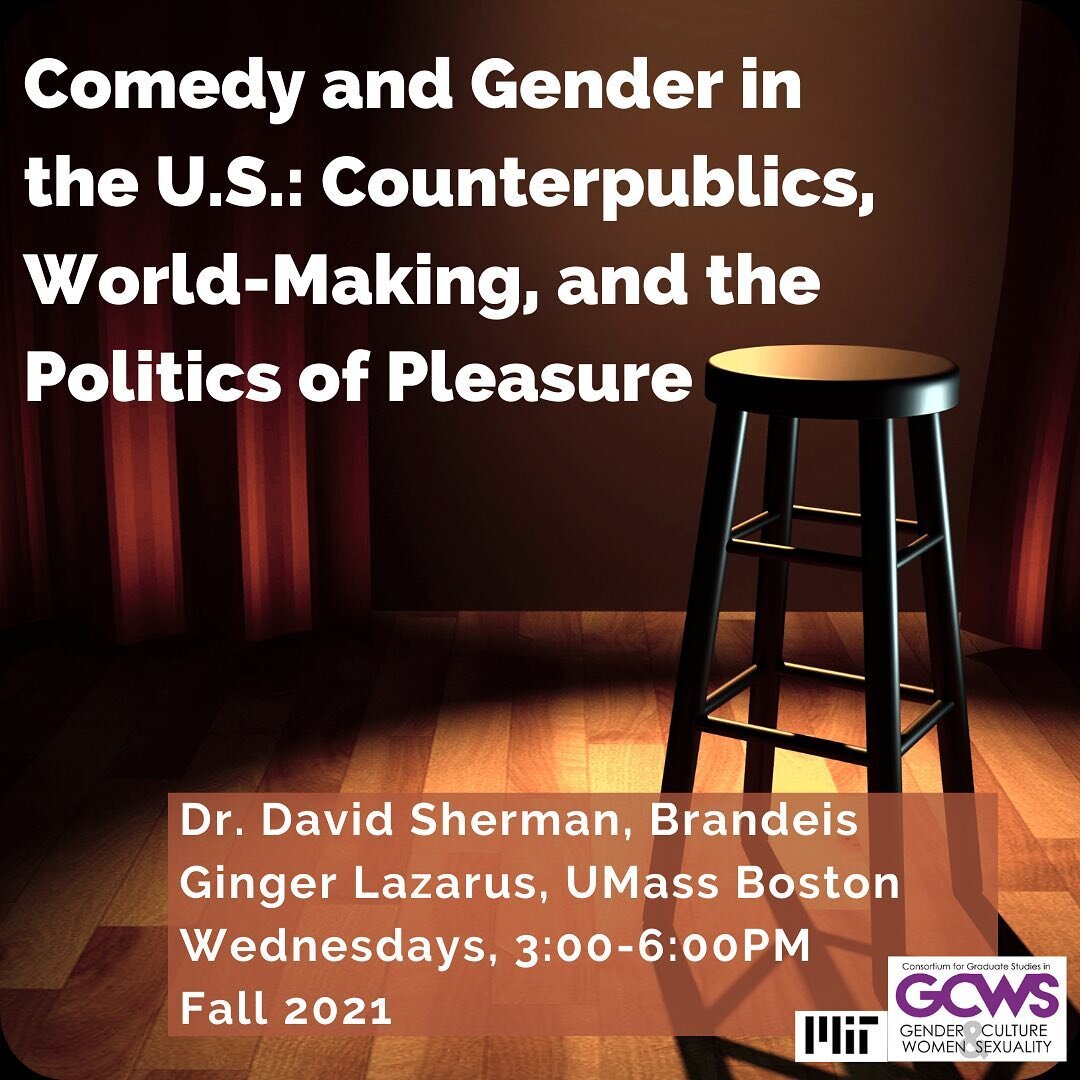
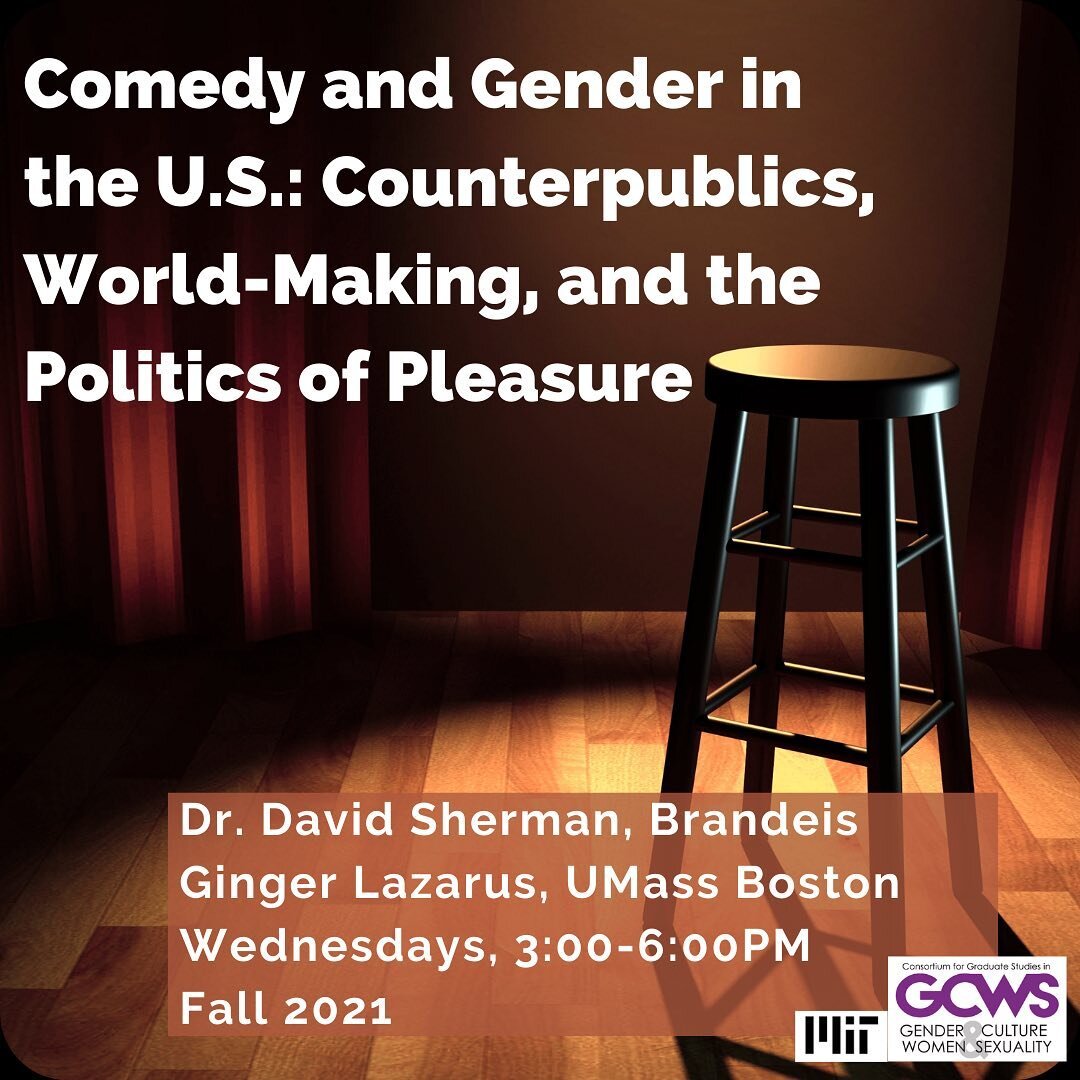
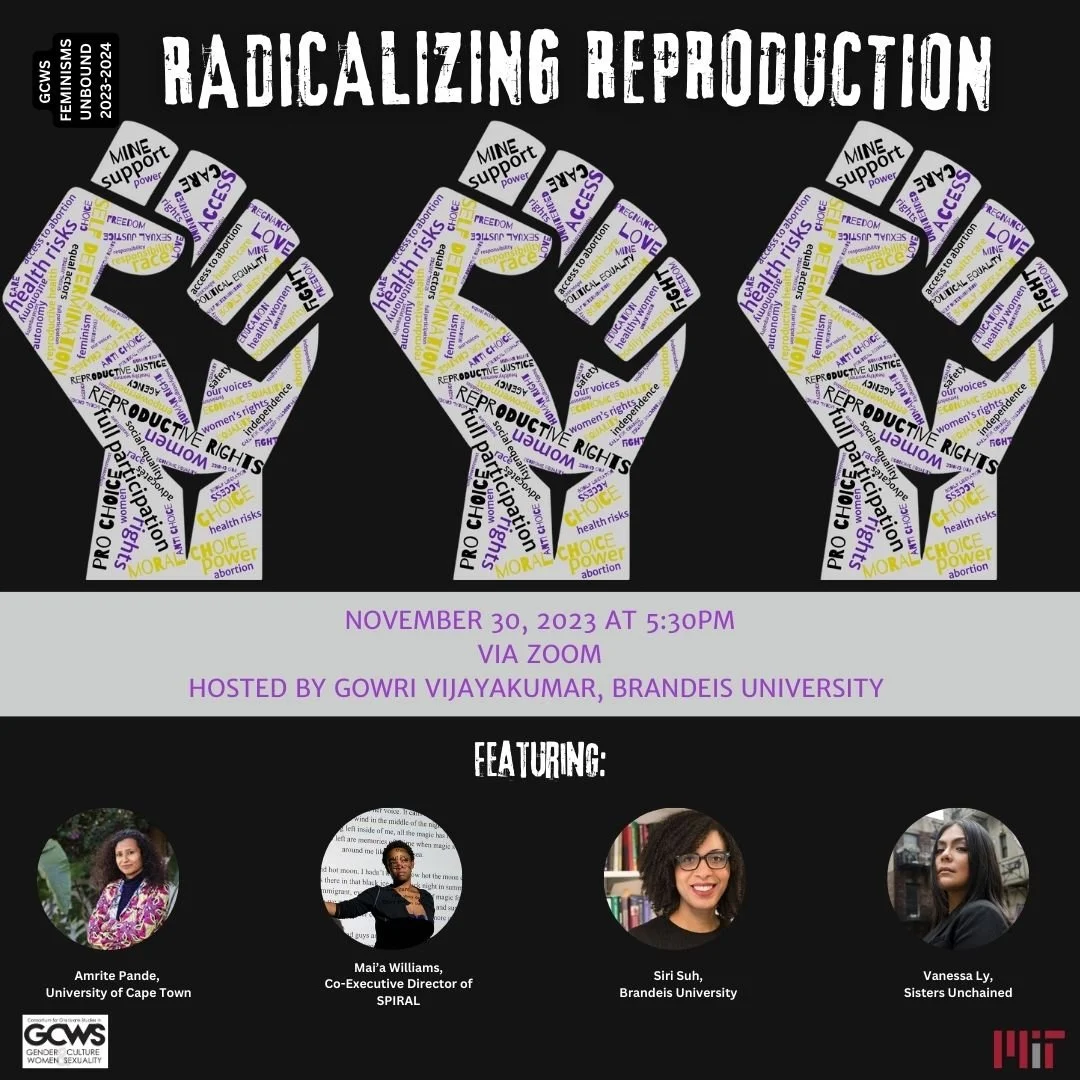
GCWS hosts a range of events each academic year that are free and open to the public. Our Campus Feminist Events google calendar highlights events happening on campuses around the Boston area that are connected to our mission. Browse more past events in the archive to learn more about the speakers and topics we have already hosted.
Upcoming events
Past events




Publications
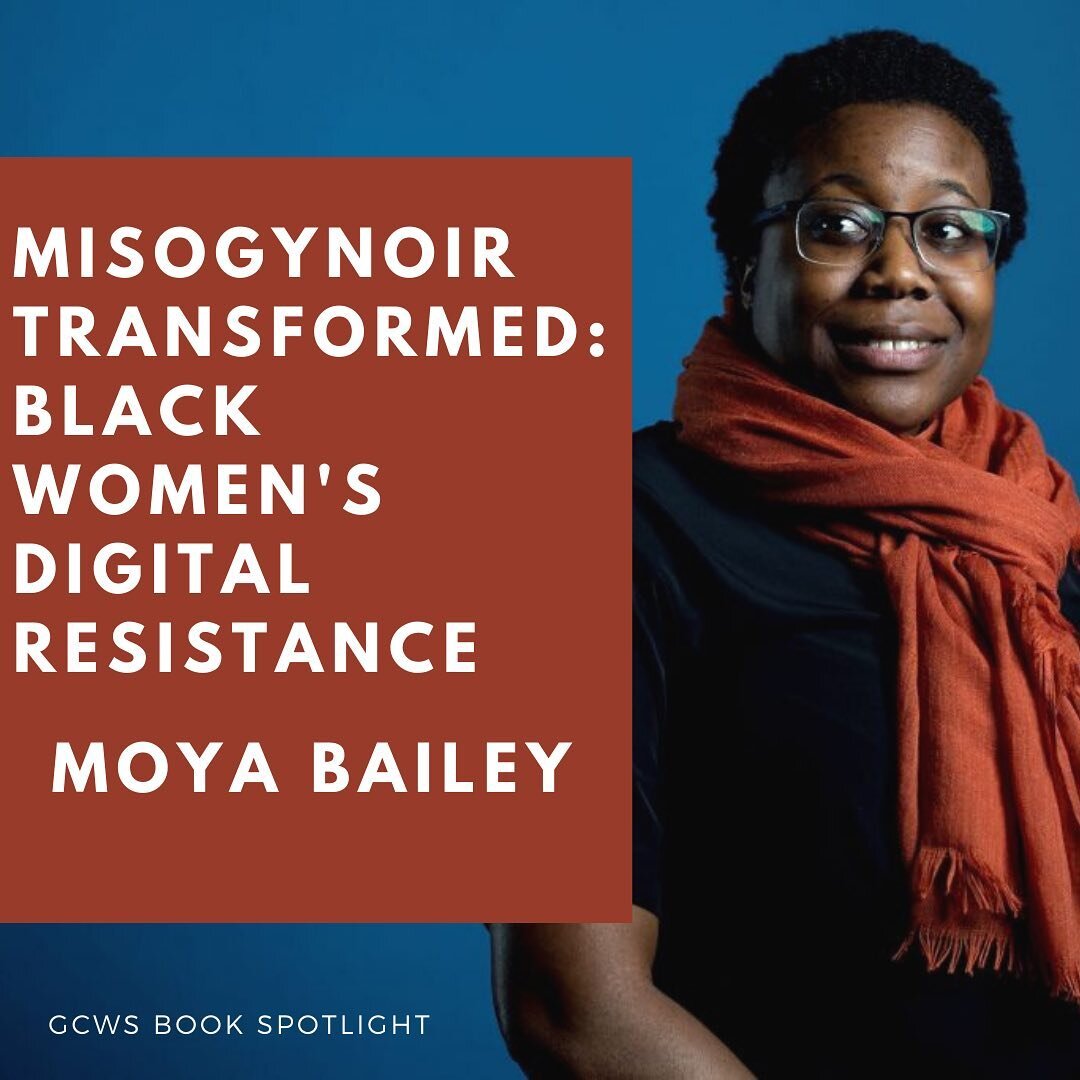
Learn more about the new published books incorporating Women’s, Gender, and Sexuality Studies written or edited by faculty from our member institutions!


Social Media
-
 Choosing a dissertation committee is hard - how can you strategize to choose the best committee to support you and… https://t.co/sLqFnMNMOw
 -
What can feminist and queer theories do now, in a time when LGBT rights are mainstream, gender binaries have come u… https://t.co/5rqUMc2CHI
-
RT @jazdhill: Sociologists! Spreading the word: my department is hiring a chair! Senior scholars doing policy relevant work, come… https://t.co/ApJKRWgOSc
-
What does access and openness look like in truly liberatory spaces? "Liberating Temporality and Spatiality"… https://t.co/lWR9aw5fQa
-
RT @CJPPhD: So excited to share that our labor of love and community is available for pre-order! Such an honor to co-edit this… https://t.co/S6olUnVLJn
-
Who is the audience you are writing for? Your Introduction should increase readers' understanding of the general ba… https://t.co/QwMV64jh3e
-
RT @SignsJournal: #RoeVsWadeOverturned will not stop us from fighting against the #abortionban. We are offering open online access to… https://t.co/R0HZO8XesN