MIT News Office: Revealing how a battery material works 
MIT team uncovers a reason why the hottest new material for rechargeable batteries works so well.
February 8, 2012. Since its discovery 15 years ago, lithium iron phosphate (LiFePO4) has become one of the most promising materials for rechargeable batteries because of its stability, durability, safety and ability to deliver a lot of power at once. It has been the focus of major research projects around the world, and a leading technology used in everything from power tools to electric vehicles. But despite this widespread interest, the reasons for lithium iron phosphate’s unusual charging and discharging characteristics have remained unclear. Read more >
MIT News Office: New tool for analyzing solar-cell materials 
Website offers a way of optimizing solar cell materials and production.
February 7, 2012. To make a silicon solar cell, you start with a slice of highly purified silicon crystal, and then process it through several stages involving gradual heating and cooling. But figuring out the tradeoffs involved in selecting the purity level of the starting silicon wafer — and then exactly how much to heat it, how fast, for how long, and so on through each of several steps — has largely been a matter of trial and error, guided by intuition and experience. Now, MIT researchers think they have found a better way. Read more >
MIT News Office: Turning heat into power 
A new kind of high-temperature photonic crystal could someday power everything from smartphones to spacecraft.
A team of MIT researchers has developed a way of making a high-temperature version of a kind of materials called photonic crystals, using metals such as tungsten or tantalum. The new materials — which can operate at temperatures up to 1200 degrees Celsius — could find a wide variety of applications powering portable electronic devices, spacecraft to probe deep space, and new infrared light emitters that could be used as chemical detectors and sensors. Read more >
Scenes from undergraduate energy research
February 1, 2012. In 2011, the MIT Energy Initiative provided support to 29 undergraduate research projects, ranging from the physics of carbon dioxide migration and trapping to energy-harvesting textiles to maximizing the reversibility of lithium batteries. Read more >


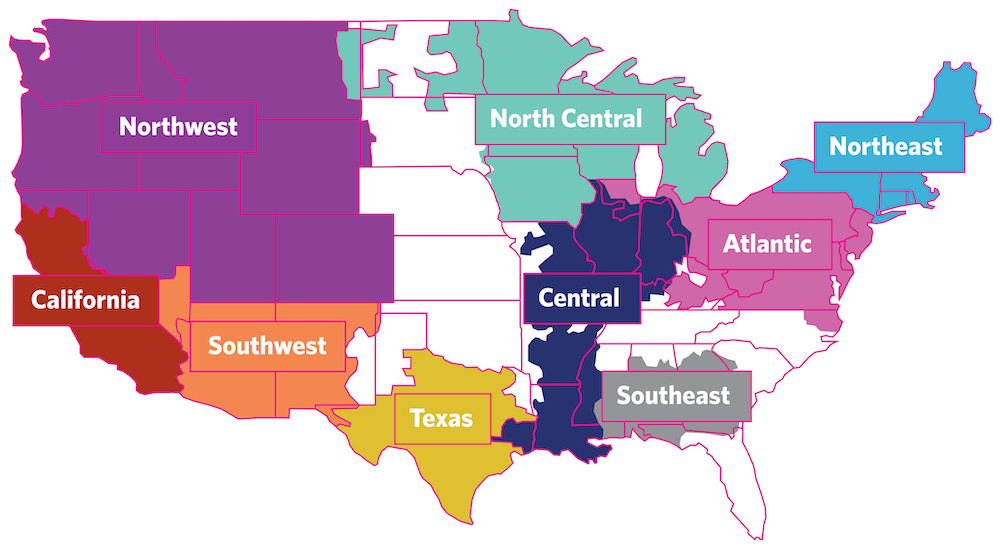
December 5, 2011. The sixth in the MIT Energy Initiative's "Future of" series, this report aims to provide a comprehensive, objective portrait of the U.S. electric grid and the challenges and opportunities it is likely to face over the next two decades. It also highlights a number of areas in which policy changes, focused research and demonstration, and the collection and sharing of important data can facilitate meeting the challenges and seizing the opportunities that the grid will face.