Skip to content ↓
Menu
What are you looking for?
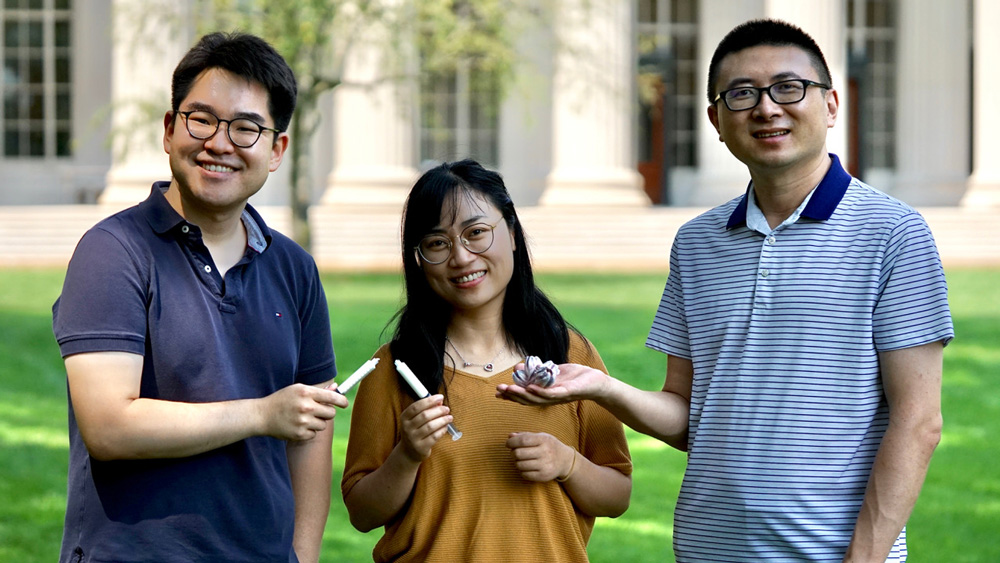
3 researchers in Killian Court holding new device
Left to right: Research Scientist Hyunwoo Yuk, postdoc Jingjing Wu, and Professor Xuanhe Zhao display a barnacle shell and the barnacle-inspired glue they developed.

Spotlight: Aug 10, 2021

Inspired by barnacles clinging to rocks, engineers have designed a strong, biocompatible glue that can quickly seal injured tissue and stop bleeding. It could offer a better way to treat traumatic injuries and to help control bleeding during surgery.

Aug 10, 2021

Full story

MORE FROM THE MIT COMMUNITY

RESEARCH NEWS

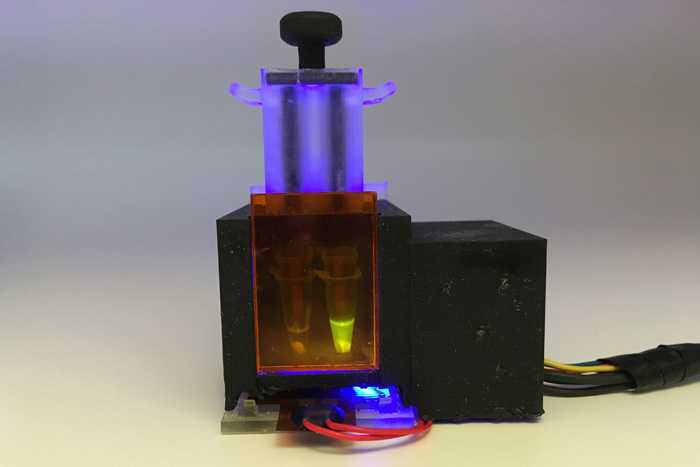
Engineers have designed a small device that can detect Covid-19 from a saliva sample in an hour. The device can be assembled for about $15, is as accurate as PCR tests, and can be repurposed “quite quickly” to detect new variants, James Collins says.

CLIMATE ACTION

Many residents of Malden, Mass., never even knew of the river in their city. Now a project helped by MIT’s Norman B. Leventhal Center for Advanced Urbanism is bringing the river into view, while also boosting social resilience and climate mitigation.

AROUND CAMPUS

Taking a corporate stand on social issues is never easy. At the recent EmTech Next conference, hosted by MIT Technology Review, the CEO of Levi Strauss & Co. and the former CEO of Unilever shared their thought process when deciding on causes to back.

IN THE MEDIA

In an article titled “The robot apocalypse is hard to find in America’s small and mid-sized factories,” Reuters covered an MIT report on automation. Among 34 firms visited for the report, only one had bought robots in large numbers in recent years.

MIT INNOVATORS

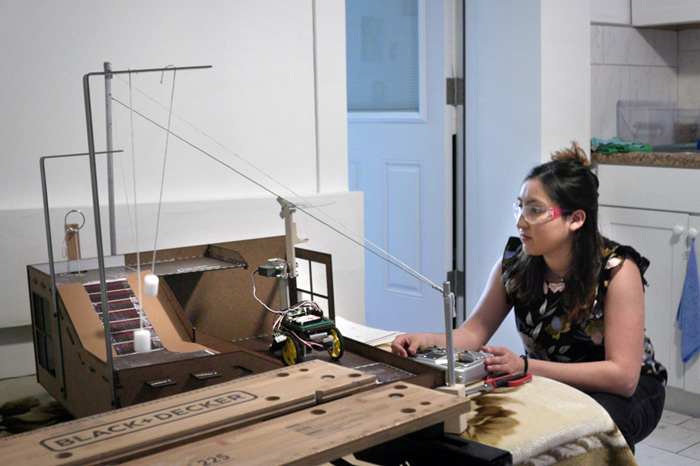
For 2021, faculty and staff reworked iconic MechE class 2.007 (Design and Manufacturing I), and its final robot competition, so students could join in from afar. “The challenges forced us to think differently and be more creative,” Sangbae Kim says.

AROUND CAMPUS

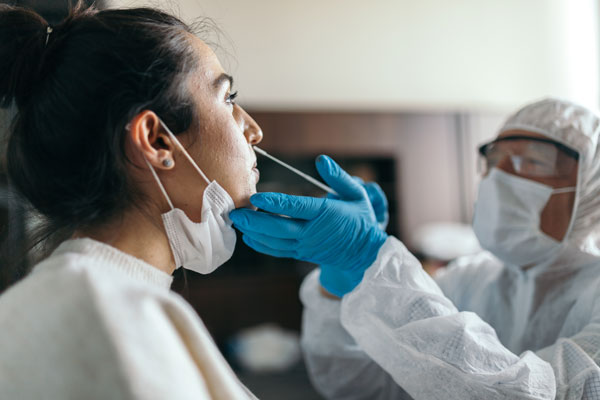
MIT Medical provides an analysis of “breakthrough infections” among those vaccinated against Covid-19. Among the takeaways: “Breakthrough infections are not common. … Breakthrough infections are expected. … Vaccinated people are well protected.”