Skip to content ↓
Menu
What are you looking for?
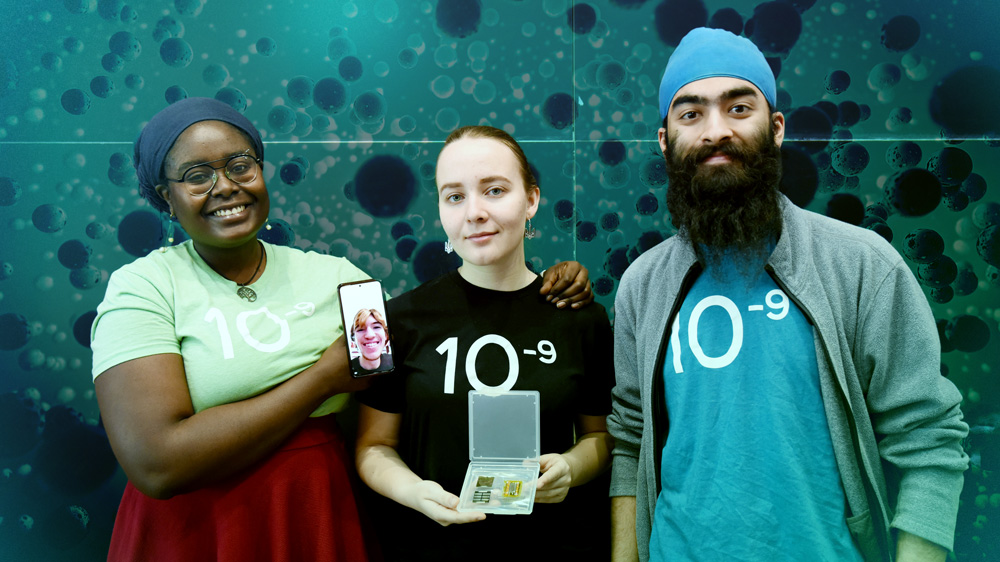
(Left to right:) Senior Stephanie Khaguli, junior Vlada Petrusenko, sophomore Anhad Sawhney, and sophomore Matthew Taylor (not photographed but appearing on Khaguli's phone). and Photoshopped teal molecules surround them. Khaguli holds a phone with their group member smiling. Petrusenko holds a device that looks like 3 computer chips inside a plastic case.
Left to right: Stephanie Khaguli, Vlada Petrusenko, Anhad Sawhney, and Matthew Taylor (not photographed but appearing on Khaguli's phone) designed and fabricated a flexible graphene supercapacitor for solar energy storage.

Spotlight: Mar 30, 2023

In EECS class 6.2540, students spend time in MIT.nano’s labs, applying their knowledge of the nanoscale to design and build spectrometers, make quantum dots, fabricate LEDs, and test and package sensors into active displays and systems.

Mar 30, 2023

Full story

MORE FROM THE MIT COMMUNITY

IN THE MEDIA

Melvin “Mel” King, a political activist and pioneering Black candidate for mayor of Boston, has died at 94. In 1971, he founded the Community Fellows Program, which “brings leaders from minority communities to MIT for a year of research and study,” the Boston Globe wrote.

ALUMNI IN ACTION

Engineer Michael Sefton ’74 is working on developing a cell-based treatment that would eliminate the need for insulin injections for people with type 1 diabetes, in which the pancreas produces little or no insulin.

RESEARCH NEWS

When multiple drones are working together in the same airspace, there’s a risk they might collide. But now AeroAstro researchers have created a trajectory-planning system that enables drones in the same airspace to always choose a safe path forward.

ALUMNI IN ACTION

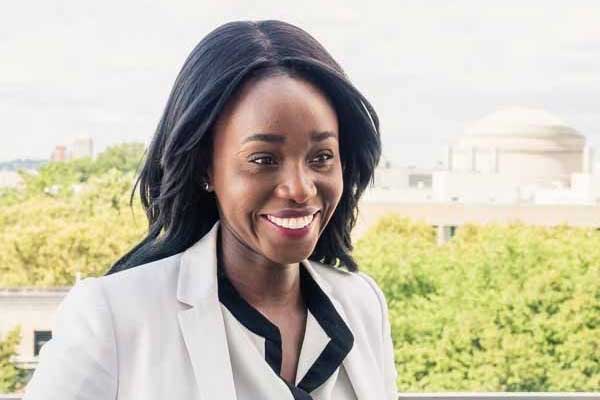
Following an influential career at NASA, Ezinne Uzo-Okoro SM ’20, PhD ’22 now shapes space policy as a top White House advisor. “I just keep putting one foot in front of the other and I encourage everybody else to do the same,” she says.

IN THE MEDIA

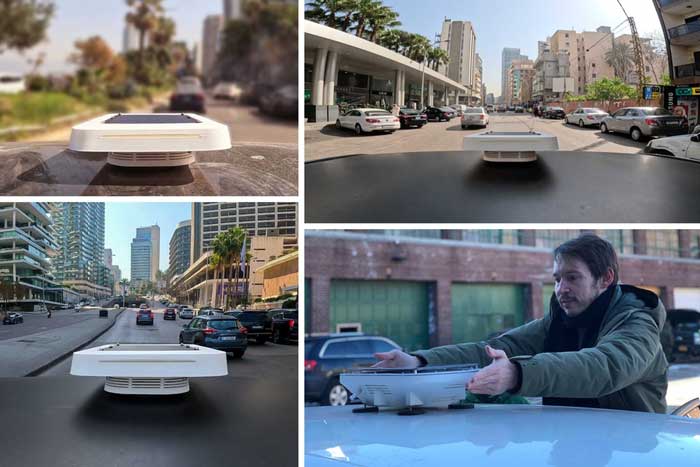
A new low-cost air-quality sensor can be 3D printed using open-source instructions and used by people around the world. “The reason we started this project was because we wanted to democratize environmental data,” Simone Mora told Fast Company.

RESEARCH NEWS

Concrete is an important contributor to global carbon dioxide emissions. Work from CEE shows that adding new materials into existing manufacturing processes could significantly reduce this carbon footprint, without altering concrete’s strength.