The community of scholars at MIT’s Program in Science, Technology and Society bring methods from the humanities and social sciences to understanding science, technology, and medicine around the world. Our department includes lively undergraduate and graduate programs, and postgraduate training for science and technology journalists.
By bridging humanities, social sciences, science, technology, and medicine, our department seeks to build relationships among colleagues across the Institute in a shared effort to understand the human challenges at the core of the MIT mission.
What is STS?Arthur Miller Lecture on Science and Ethics
Morison Prize and Lecture in Science, Technology, and Society

IN REMEMBRANCE
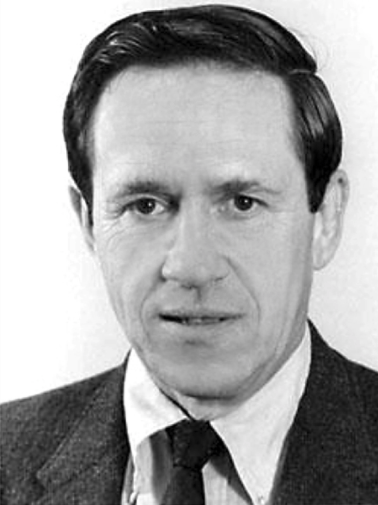
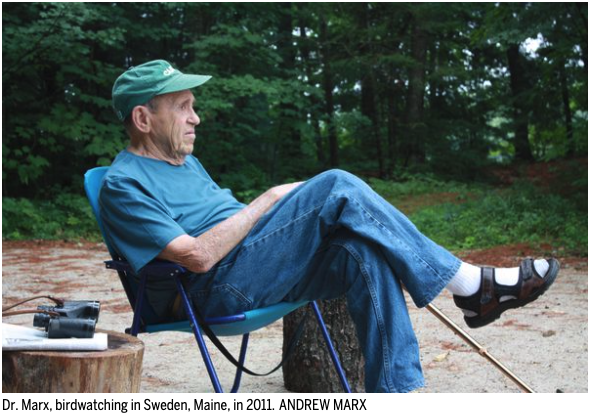 Leo Marx, MIT STS Program Professor Emeritus, died on March 8, 2022.
READ MORE
MIT News: Remembering Leo Marx
Boston Globe article: Leo Marx, pioneering professor and writer in American studies, dies at 102
*****
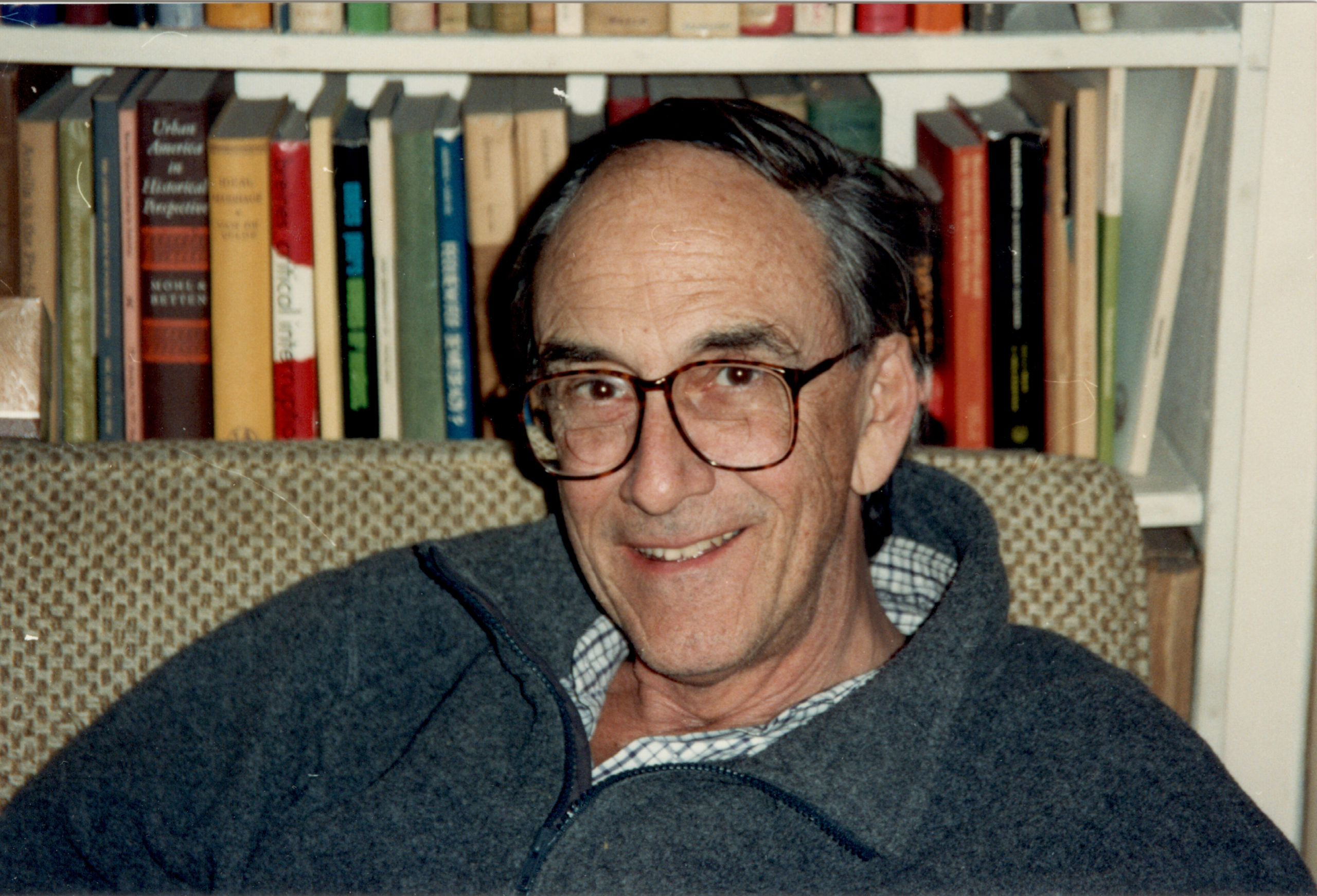
Kenneth Keniston, Founder, MIT’s Program in Science, Technology, and Society, died on February 14, 2020.
READ MORE: Remembering Kenneth Keniston
STS in the News
STS In The News
Faculty & Student Mentions, News
Jennifer L. Mnookin, HASTS ’99, new chancellor of UW, Madison
May 19, 2022
Undark Magazine
Truth, Beauty, Science.

Amid Water Crisis, Mexico City’s Metro System Is Sinking Unevenly
April 23, 2024, 7:21 am / by Matt Simon
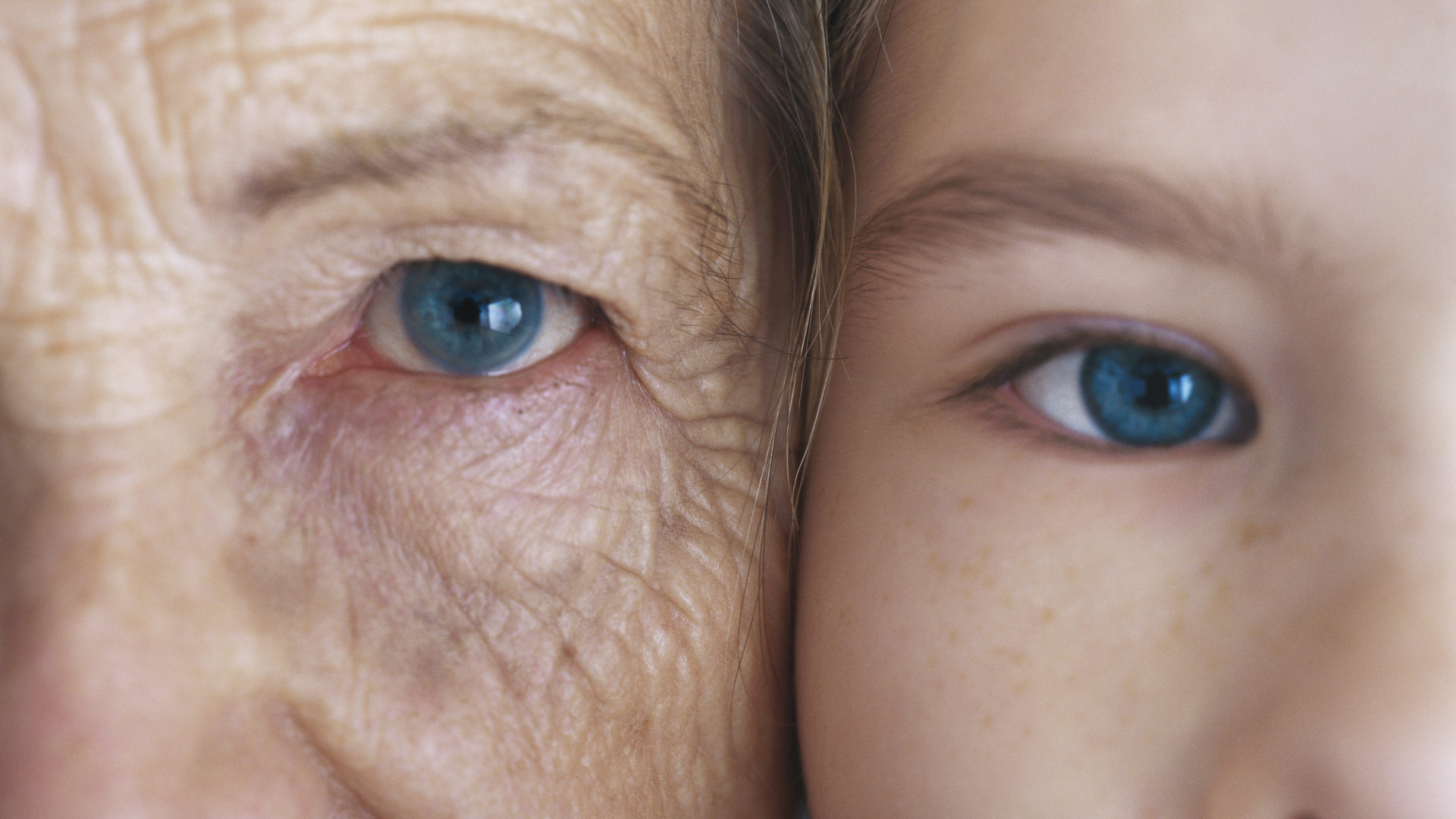
Book Review: A New Chapter in the Quest for a Longer Life
April 19, 2024, 7:53 am / by Emily Cataneo
Breaking News


12/18/2020: Digging Deep into North American Metals Mining
2/2/2021: Rare Earths for the Common People
2/10/2021: Not All Farming Happens on a Farm
STS EVENTS
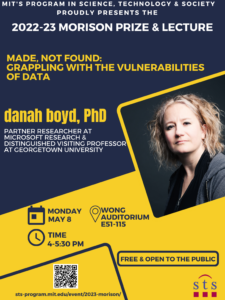
2022-23 Arthur Miller Lecture: danah boyd, Phd.
“Made, Not Found: Grappling with the Vulnerabilities of Data”
Faculty Spotlight: David A. Mindell
David A. Mindell, PhD, is Professor of Aeronautics and Astronautics, and Dibner Professor of the History of Engineering and Manufacturing at the Massachusetts Institute of Technology. David has spent twenty-five years researching the myriad relationships between people and machines. He served as an MIT department head for five years, and has led or contributed to more than 25 oceanographic expeditions.