


curriculumadvisingfaqshistoryapplycommunitycalendartestimonialshome
The Terrascope Curriculum
Terrascope Requirements
As part of the Terrascope community, you will enroll in the same core subjects as other MIT freshmen, but you will also participate in two required subjects: 12.000 in fall and 1.016 in spring. (Note that as a student in 12.000, you are allowed to exceed the credit limit for first-year students.) Each year, a different complex problem is posed as a way for students to learn how to approach and solve problems that require interdisciplinary and innovative solutions. We think the Terrascope experience will punctuate your first year by teaching you to think outside of the box and provide you with a learning experience that ise very different from the rest of your classes.

FALL Class: 12.000 - "Solving Complex Problems" (also known as Mission) is a 9-unit subject that only freshmen can participate in. You may take Mission 2012 without committing to the yearlong Terrascope program. However, by enrolling in 12.000 you will enjoy the benefits of the Terrascope program and community, even if you do not continue in the Spring. The Terrascope affiliation allows you to join students and faculty at weekly luncheons where guest speakers discuss their current research. You will also have access to the Program’s facilities including a dedicated classroom/study space, kitchen, and lounge. This structure allows students who feel unable to commit to a two-semester program to still benefit from the project-based learning environment of Solving Complex Problems and to experience the Terrascope community for the fall. Some students join Terrascope at the end of the semester.

Mission 2012 webpage is right here!

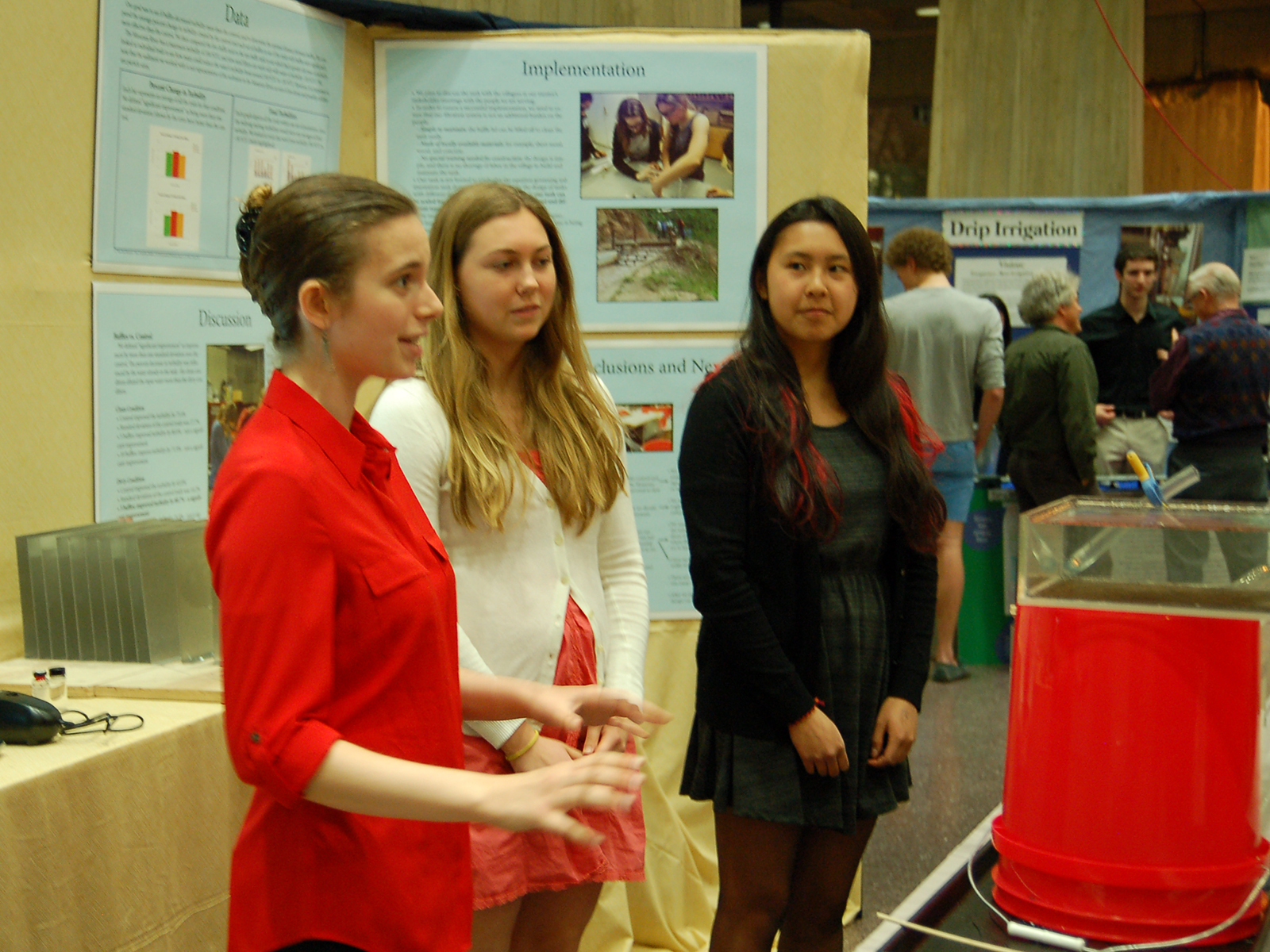
Spring Class: "Communicating Complex Environmental Issues: Designing and Building Interactive Museum Exhibits" Subject 1.016--9 units), builds on the material covered in fall, and is designed to develop additional depth in science concepts and introduce engineering and design process using some aspect of the topic studied in fall as context.

Optional Spring Class: Terrascope Radio
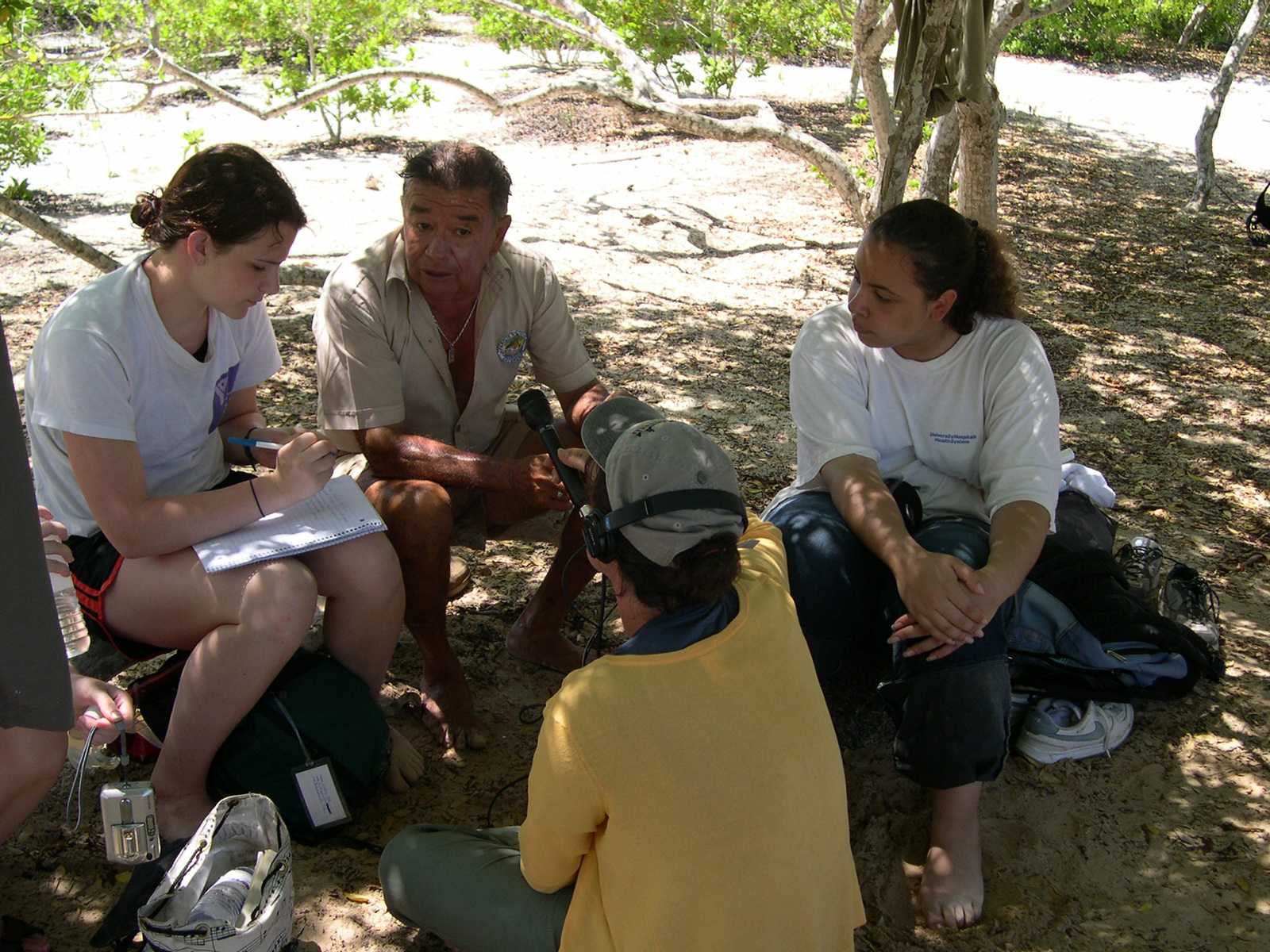
SP360 (12 units) offers the opportunity to satisfy the required freshman communications requirement by offering CI-H credit to produce a professional quality radio program based on material studied during the year. The class is a perfect integration of the Terrascope theme into the communications requirement.

General Institute Requirements
As part of the General Institute Requirements (GIRs), all MIT students are required to complete two semesters each of Calculus and Physics, and one semester each of Chemistry and Biology. As a Terrascope student, you fulfill these requirements by taking mainstream subjects according to your background and interest.

CI and HASS Requirement
You will have to take a CI-H and a HASS during your first year. Terrascope Radio can fulfill your CI-H. For a complete description of MIT's Communication Intensive (CI requirement), go to the MIT Undergraduate Communications Requirement page.

Other Learning Communities
MIT offers three other learning communities specifically for freshmen: Experimental Study Group, Concourse, and ESG. If your schedule permits, and the other learning community agrees, you can take subjects by them.

Terrascope Independent Activities Period (IAP) Subject
Terrascope offers a one-week class on museum exhibit design during IAP. Students will visit museums to meet with designers, visit exhibitions to observe and analyze the reaction of audiences, and begin to formulate their own ideas about museum design. This activity is the perfect lead-in to 1.016, Terrascope's spring subject.

Other IAP Subjects Offered by EAPS and CEE
The Departments of Earth, Atmospheric, and Planetary Sciences (EAPS) and Civil and Environmental Engineering (CEE) have long traditions of offering field, laboratory, and classroom learning opportunities during MIT's Independent Activities Period (IAP). The session is particularly well suited for off-campus study trips.

For example, CEE has offered such an opportunity for its environmental engineering students over the last three years. Students have gone to the Everglades to receive instruction and carry out fieldwork in this unique environment. They have gone to Hawaii and studied its geology, its flora and the quality of its coastal waters, and Australia to do field work in a variety of natural systems.

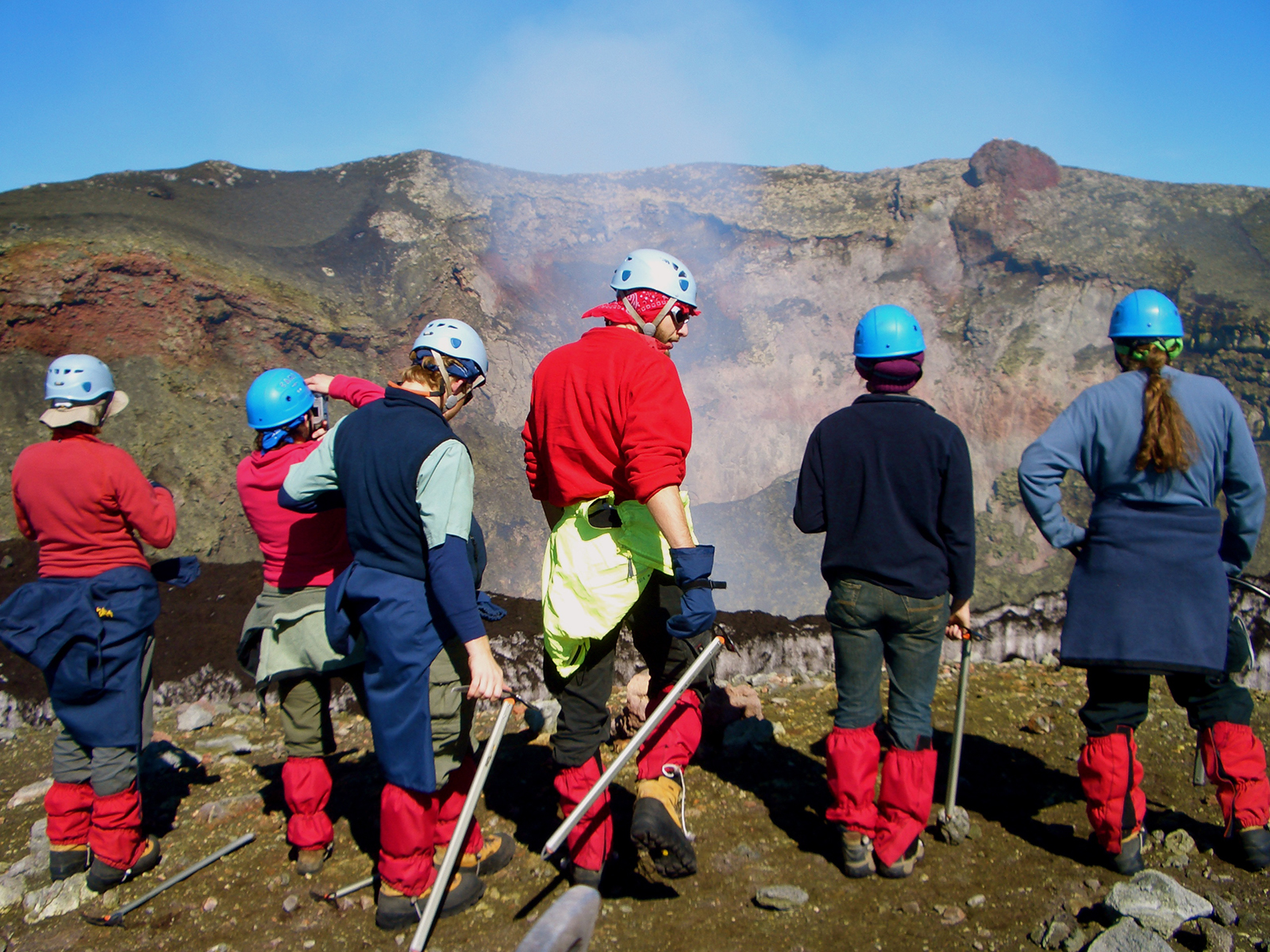
In EAPS, Sam Bowring and Tim Grove have been running a 10-day field trip to the southwestern U.S. (12.120) for more than a decade where they examine a number of issues relating to geology and the environment including volcanism, earthquakes, water shortages and climate change. This is appropriate for freshman. View student-produced websites for 2006 and 2007 field trips. You can learn more about all field trips run by EAPS here.

Every year, Terrascope students will have the opportunity to participate in one of these credit-bearing IAP field activities, although participation will not be required.

Students not participating in a field subject (or who participate in a shorter excursion) will have the opportunity to take other IAP subjects here on campus.

Spring Field Trip:
Each spring, Terrascope students spend a week visiting a location of significance to the complex problem they posed solutions to in the fall. For example, during spring break in March of 2009 we will take a field trip to the western US and Mexico, where we will see first hand water use and conservation. Terrascope students automatically qualify for the trip although others will be considered if space permits.