

curriculumadvisingfaqshistoryapplycommunitycalendartestimonialshome
History of the Terrascope Program
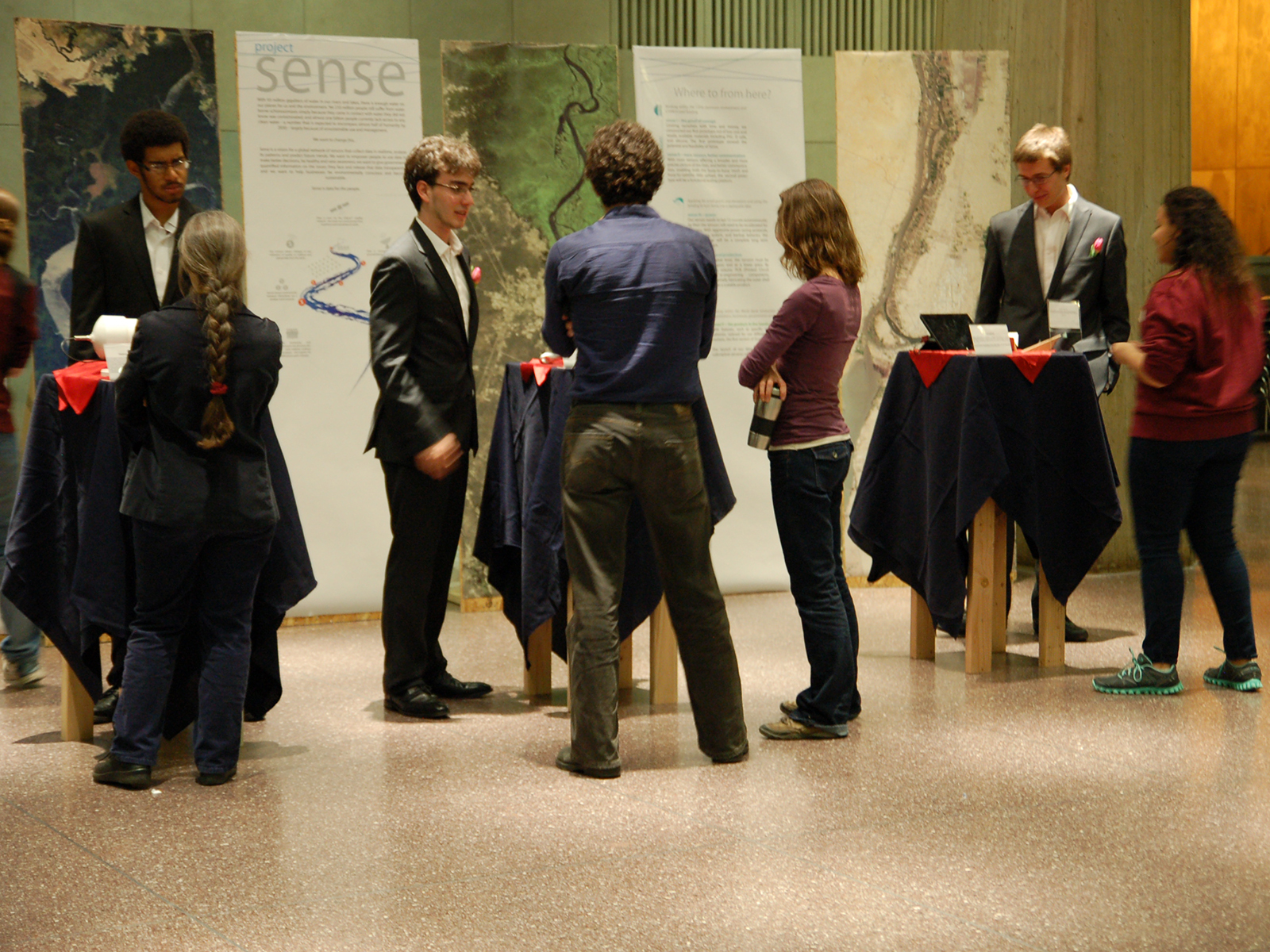
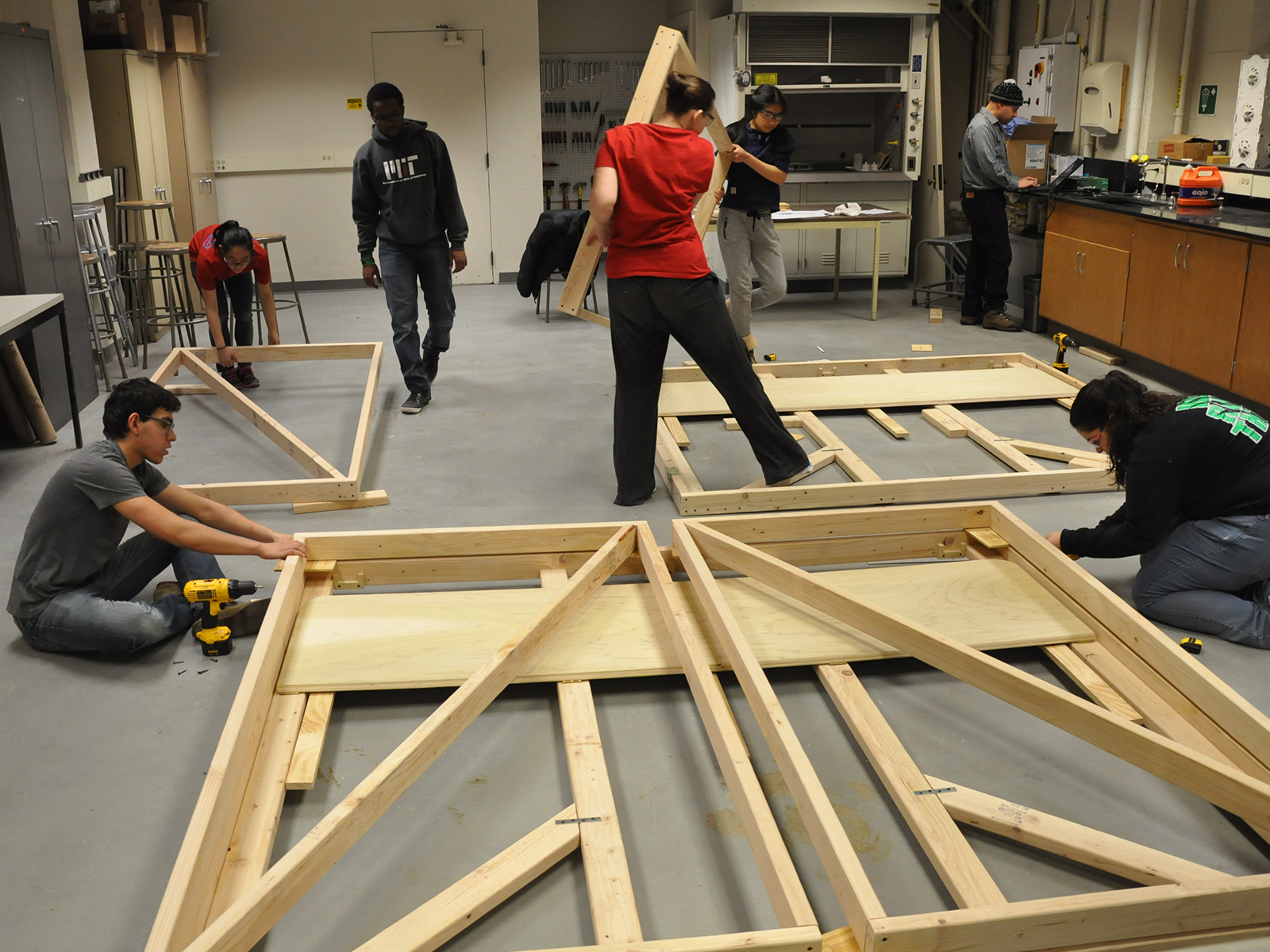
Terrascope began as an educational component of MIT's Earth System Initiative. Terrascope's goals are:  to provide first year students with experiential learning as an alternative to the traditional lecture format of MIT’s core program; to show that Earth Systems provide a context for learning how to frame and solve complex problems using an integration of science, engineering and the humanities; to teach students how to do independent research and work in teams; to improve all types of communications skills; and foremost to create and provide a community of scholars that will nurture and support one other throughout their MIT career. In 2002, Terrascope incorporated the class Solving Complex Problems (12.000) as a required class for the fall semester and to establish the Terrascope theme for the year. Also in 2002, the class 1.016 was initiated for the Spring semester with the goal of teaching students how to communicate complex scientific issues to the public by designing and building museum exhibits.

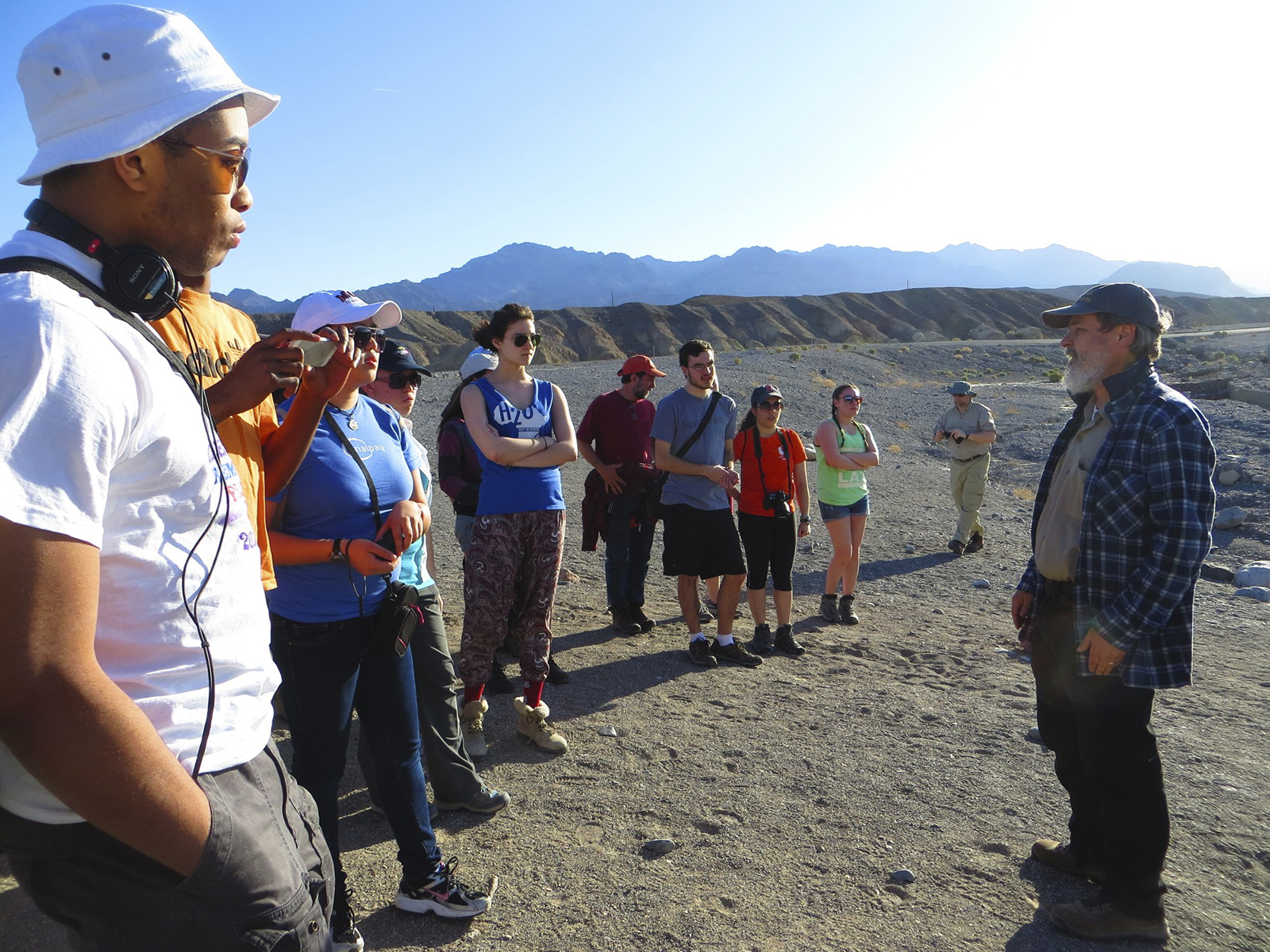
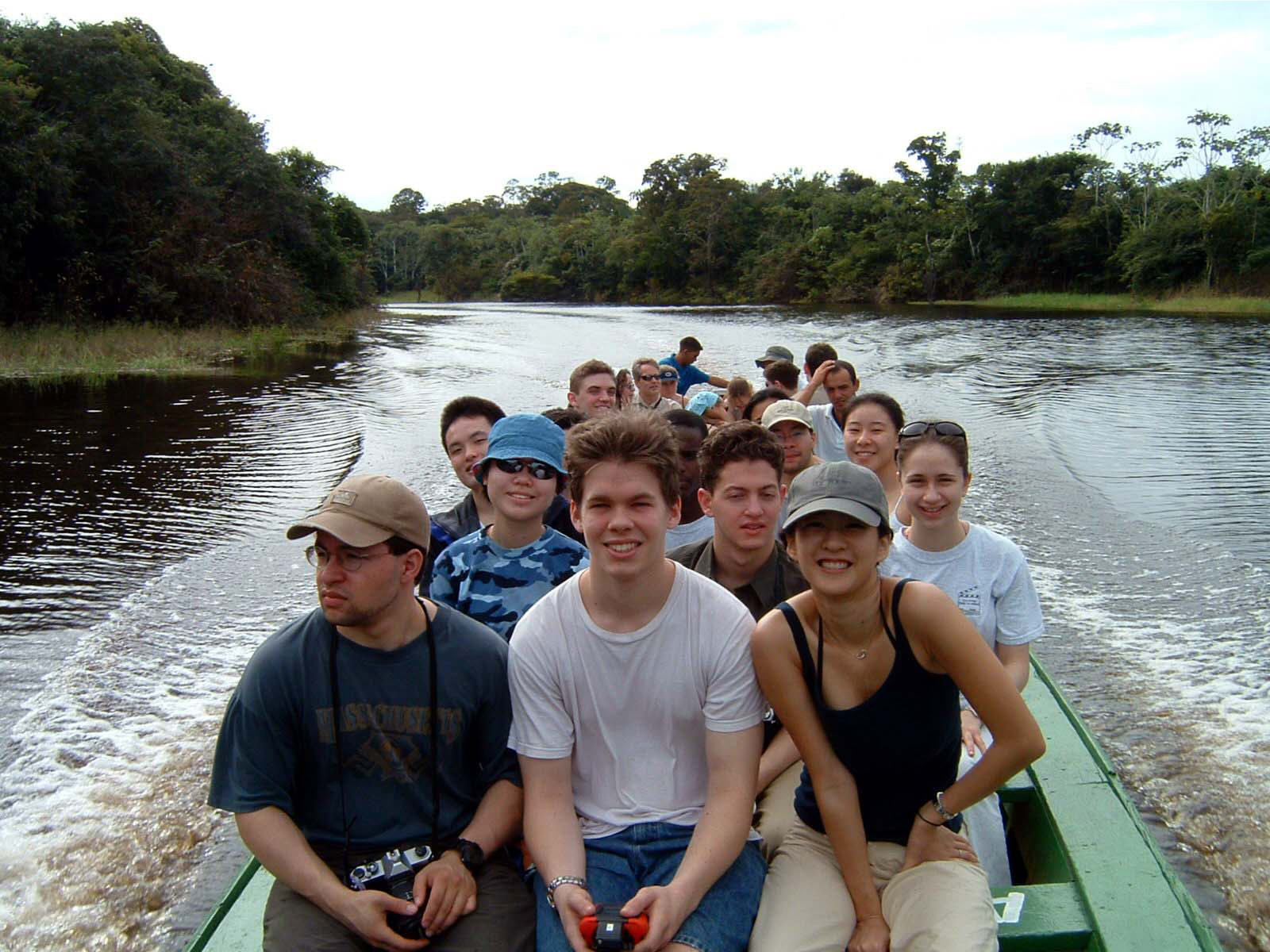
Terrascope joined MIT's cluster of learning communities when it admitted its first group of freshmen in the fall of 2002. Terrascope’s home is on the first floor of Building 16 where the administrative offices are located as well as the Terrascope learning center (Room 16- 177). In 2002-3, students focused on ways to monitor the ecological systems of the rainforest and devise strategies for ensuring its future health. The highlight of the year was a spring break trip to the Brazilian Amazon. In 2003-4, students turned their attention to an issue that has captured significant media attention: proposed drilling in the Arctic National Wildlife Refuge. The year culminated in a weeklong visit to Alaska. In 2004-5, protecting the delicate ecology of the Galapagos became the focus of attention. Students balanced their classroom work with a week in the Galapagos under sponsorship of the Luce Foundation. In 2005-6 students focused their work on developing an early warning system for tsunamis in the Pacific region, followed by a weeklong field visit to Chile. In 2006-2007 they proposed a redevelopment plan for New Orleans in the wake of Hurricane Katrina, and visited New Orleans. Students developed a plan to save the world’s oceans in 2007-8, followed by a visit to Iceland. Most recently, students focused on the compelling issue of ensuring a continuing supply of water in the North American west, and visited Arizona.

Terrascope now is under the umbrella of the Office of the Dean for Undergraduate Education and draws its administration and faculty from the departments of Civil and Environmental Engineering and Earth and Planetary Sciences. Terrascope is directed by Samuel Bowring, Professor of Earth, Atmospheric, and Planetary Sciences.