
Homepage
Enhancing the commercial real estate industry through financial, social, and environmental performance and responsibility.
Education
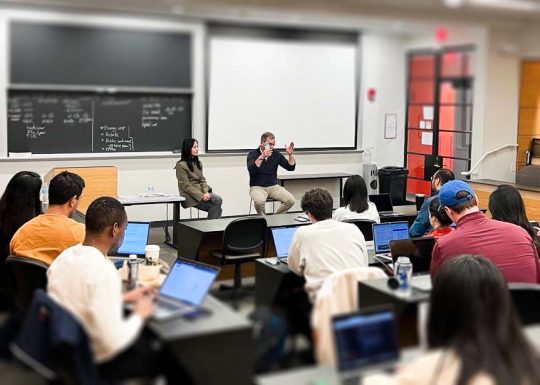
See All Programs
Master of Science in Real Estate Development
Leverages technical expertise, practical applications, and MIT's entreprenuerial ecosystem to educate the next generation of global innovators and leaders in the real estate industry.
Master's Program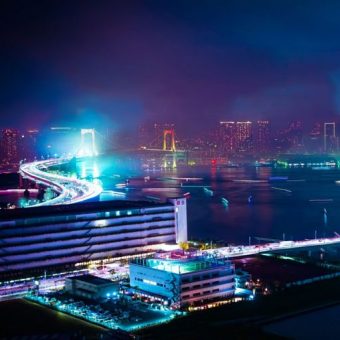
Real Estate Transformation Lab (RETL)
Featured Lab
How do we leverage technological advances and emergent digital tools to support social, economic, and environmental transformations in the real estate industry?

Asia Real Estate Initiative (AREI)
Featured Intiative
By 2025, more than half of the world’s urban population— 2.5 billion people—will live in Asia. AREI is a platform for industry to collaborate on sustainable development.
Quantifying the Impacts of Climate Shocks in Commercial Real Estate Market | Journal of Regional Science
Journal Paper
June 17, 2024Industry
Our Impact
We work closely with our partners to unlock potential within the real estate industry in ways of efficiency, profitability, and social and economic responsibility. Ready to partner with the CRE?
