Skip to content ↓
Menu
What are you looking for?

Spotlight: Feb 6, 2026

To design the torch for the 2026 Olympics and Paralympics, Carlo Ratti followed the advice he gives his students: “It is about what the object or the design is to convey,” he says. “How it can touch people, how it can relate to people, how it can transmit emotions.”

Research and Education that Matter

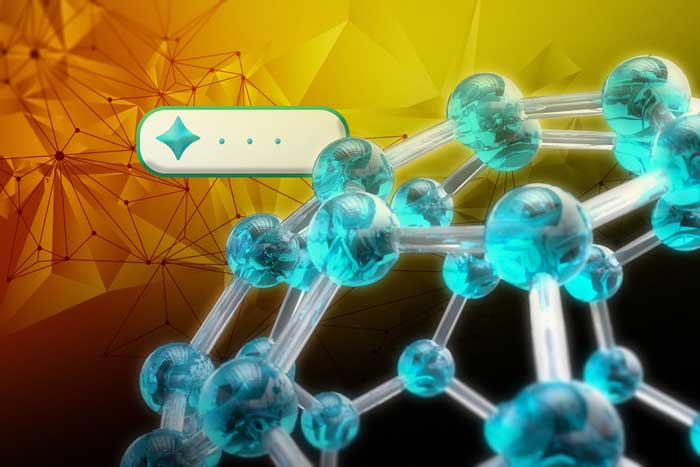
AI has generated enormous libraries of theoretical materials, but determining how to synthesize those materials is a time-intensive process of trial and error. By suggesting effective synthesis routes, a new model could remove a huge bottleneck in materials discovery.

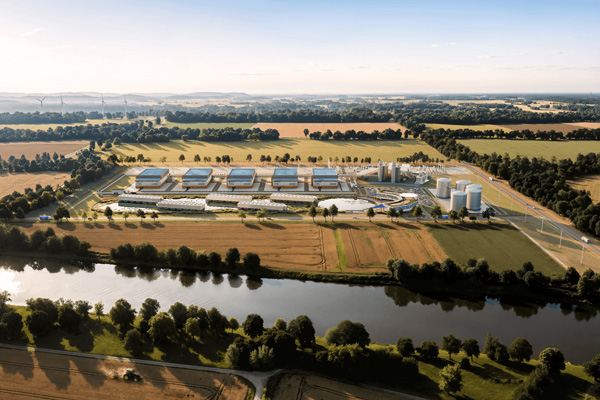
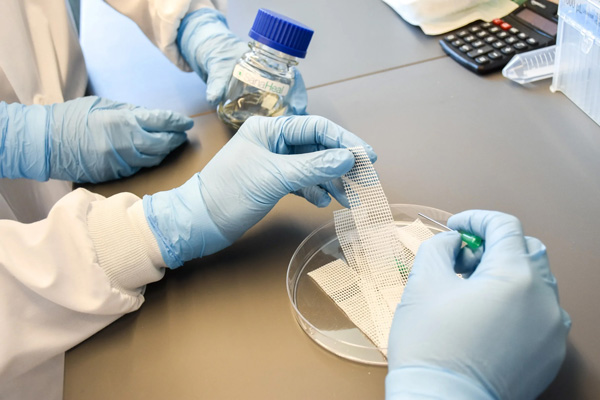
​​The gas-filtering membranes from MIT spinout Osmoses offer an alternative to energy-guzzling thermal separation for chemicals and fuels. “This technology is a paradigm shift with respect to how most separations are happening in industry today,” Francesco M. Benedetti says.

Pappalardo Apprentices assist their peers with machining, hand-tool use, brainstorming, and more, while furthering their own fabrication skills. “I did not just learn how to make things,” Wilhem Hector says. “I got empowered … to make anything.”

By studying how M. tuberculosis interacts with the immune system, Bryan Bryson seeks vaccine targets to help eliminate TB. “Engineering and infectious disease go hand-in-hand, because engineers love a problem, and tuberculosis is a really hard problem,” he says.

In a world without MIT, radar wouldn’t have been available to help win World War II. We might not have email, CT scans, time-release drugs, photolithography, or GPS. And we’d lose over 30,000 companies, employing millions of people. Can you imagine?

​Since its founding, MIT has been key to helping American science and innovation lead the world. Discoveries that begin here generate jobs and power the economy — and what we create today builds a better tomorrow for all of us.