



The MIT Concrete Sustainability Hub makes key impacts in three areas:
Carbon Neutrality
Carbon neutral concrete is possible. Solutions are available today, and new ones are being developed for the future. One of the major goals of MIT CSHub is to help realize a carbon neutral concrete industry.
Infrastructure
Effective, sustainable infrastructure spending can improve system performance and impact climate change. MIT CSHub investigates how low carbon infrastructure may be built with very finite resources.
Resilience
The risk of hazards like natural disasters and extreme heat is underestimated. Stronger construction to mitigate it is undervalued. MIT CSHub studies how cities can be made more resilient to hazards through investment in stronger, cooler construction.
Our mission:
The MIT Concrete Sustainability Hub (CSHub) is a dedicated interdisciplinary team of researchers from several departments across MIT working on concrete and infrastructure science, engineering, and economics since 2009. The MIT CSHub brings together leaders from academia, industry, and government to develop breakthroughs using a holistic approach that will achieve durable and sustainable homes, buildings, and infrastructure in ever more demanding environments.
Why study concrete sustainability?
More concrete is produced than any other material on Earth. In the foreseeable future, there is no other material that can replace concrete to meet our societies’ needs for housing, shelter, schools, and infrastructure. It is an inexpensive construction material with a relatively small environmental footprint, but its attractive properties have lead to massive use that contributes approximately 5% of global CO2 production.

News
-
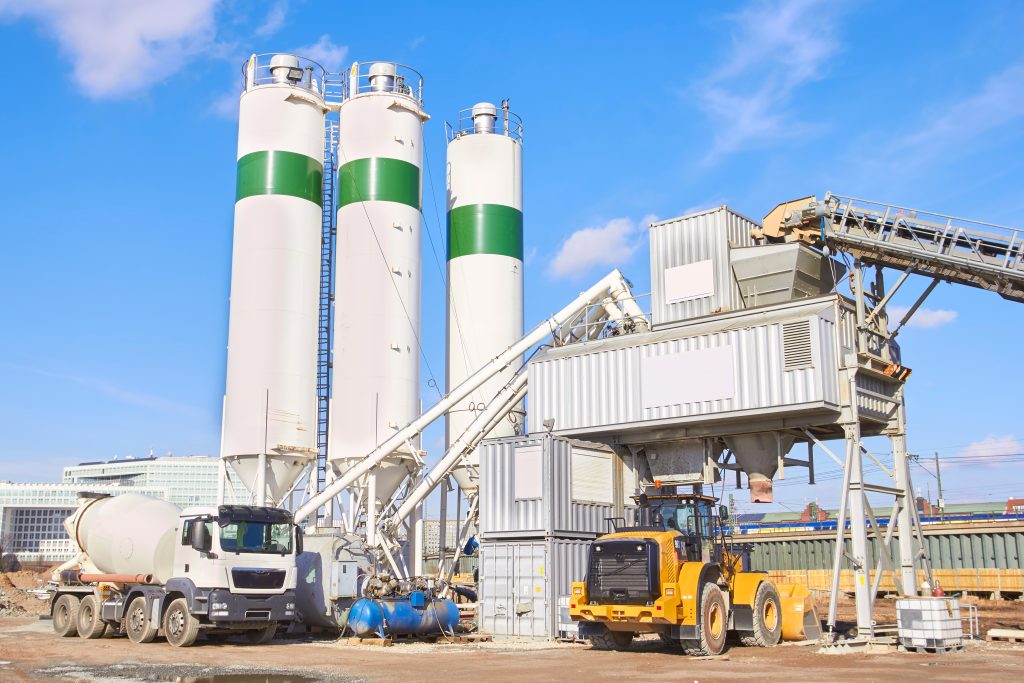
CSHub releases briefs on emissions impact of concrete overdesign and strength testing variability
A CSHub team led by Dr. Soroush Mahjoubi has published two briefs on concrete overdesign and strength testing variability. The team finds that optimizing concrete …
-
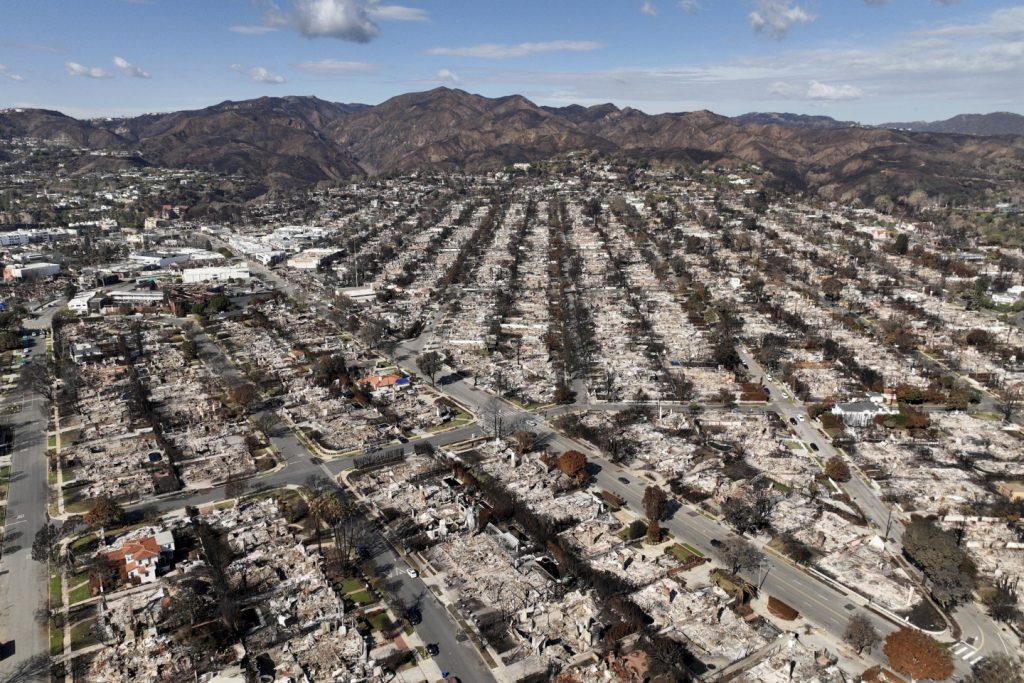
Op-ed: Policymakers Should Pursue Stronger Construction to Save Lives, Homes, Long-Term Spending
Natural disasters are projected to cost the U.S. nearly $40 billion annually by 2075, highlighting the escalating financial burden of climate-driven disasters. The mounting devastation caused …
-
Reducing urban heating and lifetime GHGs with concrete roads
By mid-century, two out of every three persons on the planet will be living in urban areas. These growing urban populations face two simultaneous climate …
-
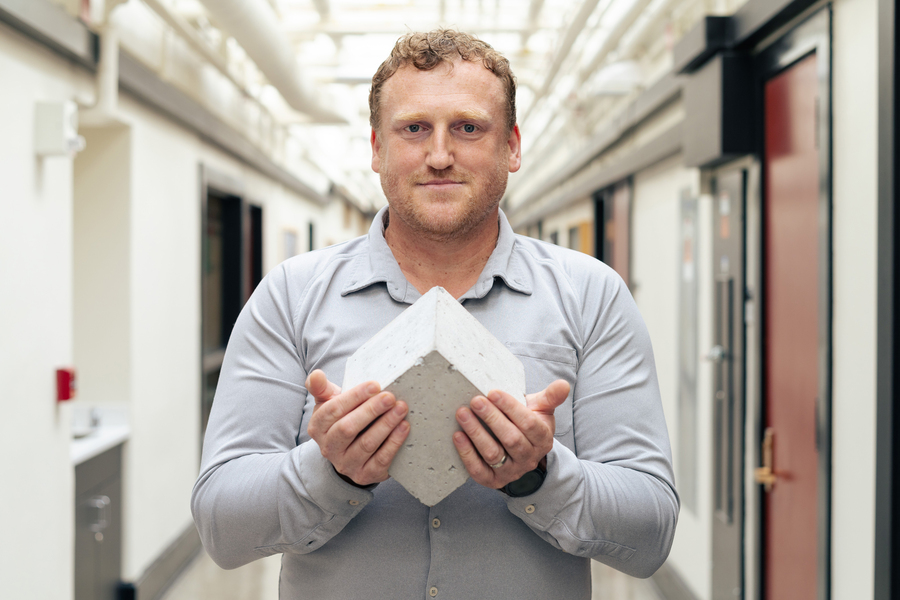
Admir Masic: Using lessons from the past to build a better future
“Roman concrete to me is fascinating: It’s still standing after all this time and constantly repairing,” said Prof. Admir Masic in his MIT News feature. …
-
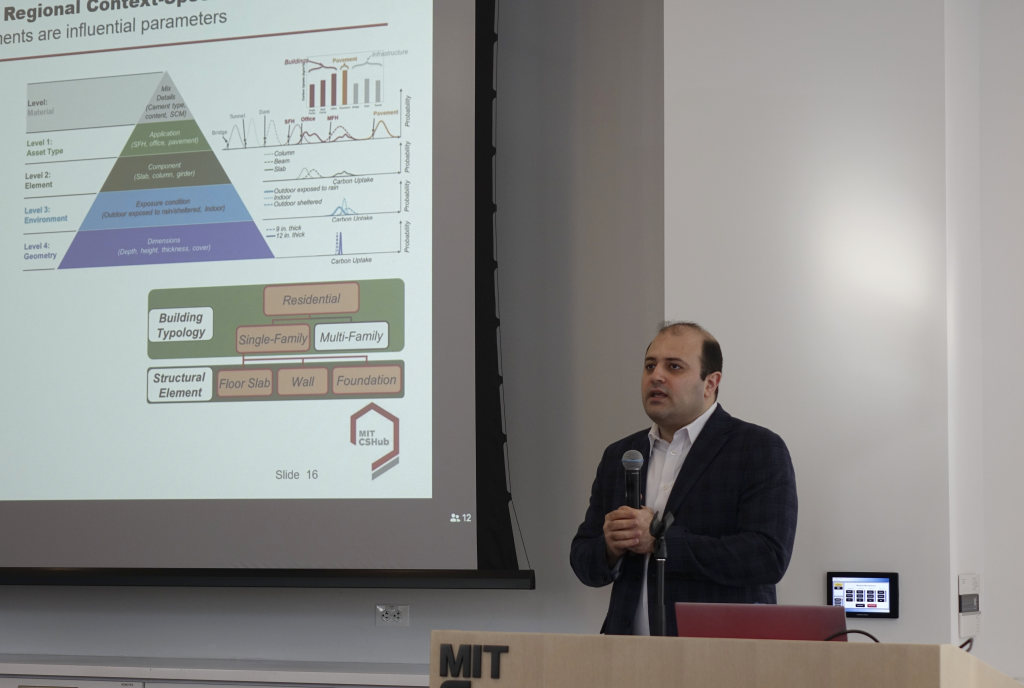
Research meets industry at CSHub’s Fall 2024 Advisory Meeting
On November 6 and 7, we welcomed over 50+ industry professionals from across the concrete, construction, and architecture sectors for a researcher-led poster reception, presentations, …
-
The New York Times: Reinventing Concrete, the Ancient Roman Way
The New York Times featured Dr. Admir Masic’s research on ancient Roman concrete’s self-healing ability and how to harness it to boost the resilience of …
Learn about the Massachusetts Institute of Technology’s commitment to accessibility.