Recycle Bins at the Lodbell Dining Hall
Human-use Analysis Project by Sami Yamani
After I considered studying the Lodbell dining hall recycle bins, I decided to carry out more detailed observations. I combined the results of my observations with personal and other people's experiences and made a list of merits and shortcomings for these recycle bins.
Observations
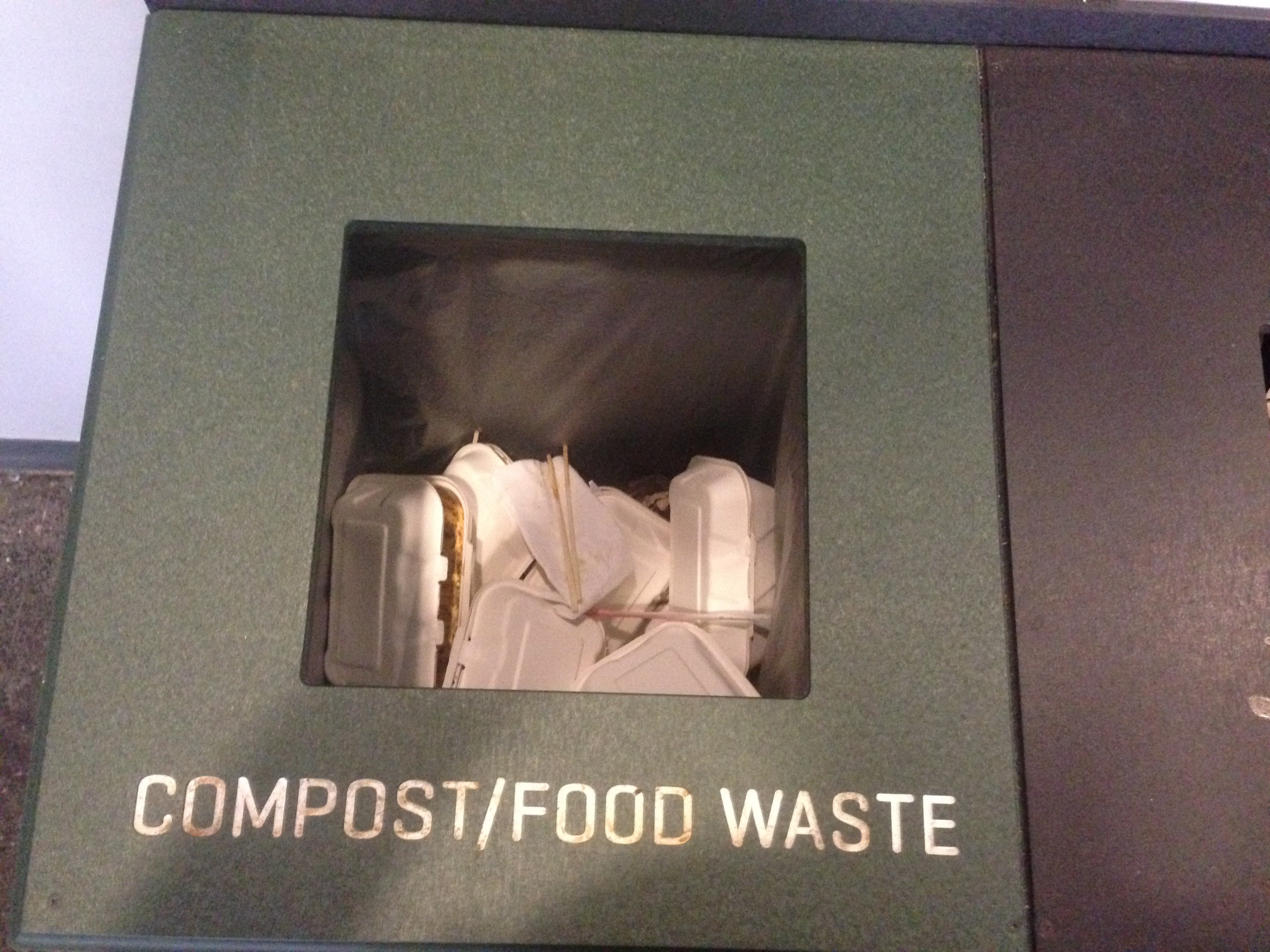
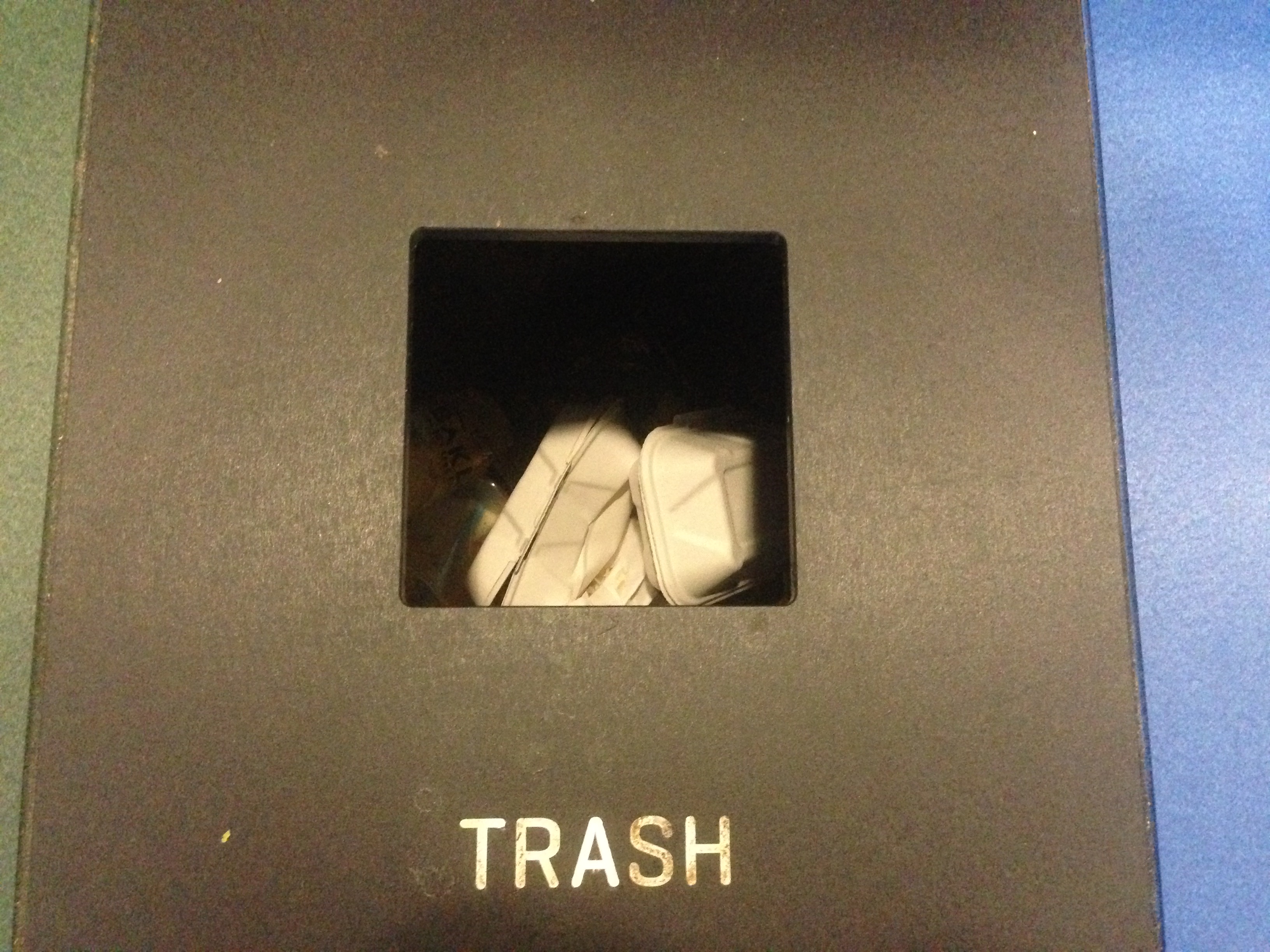
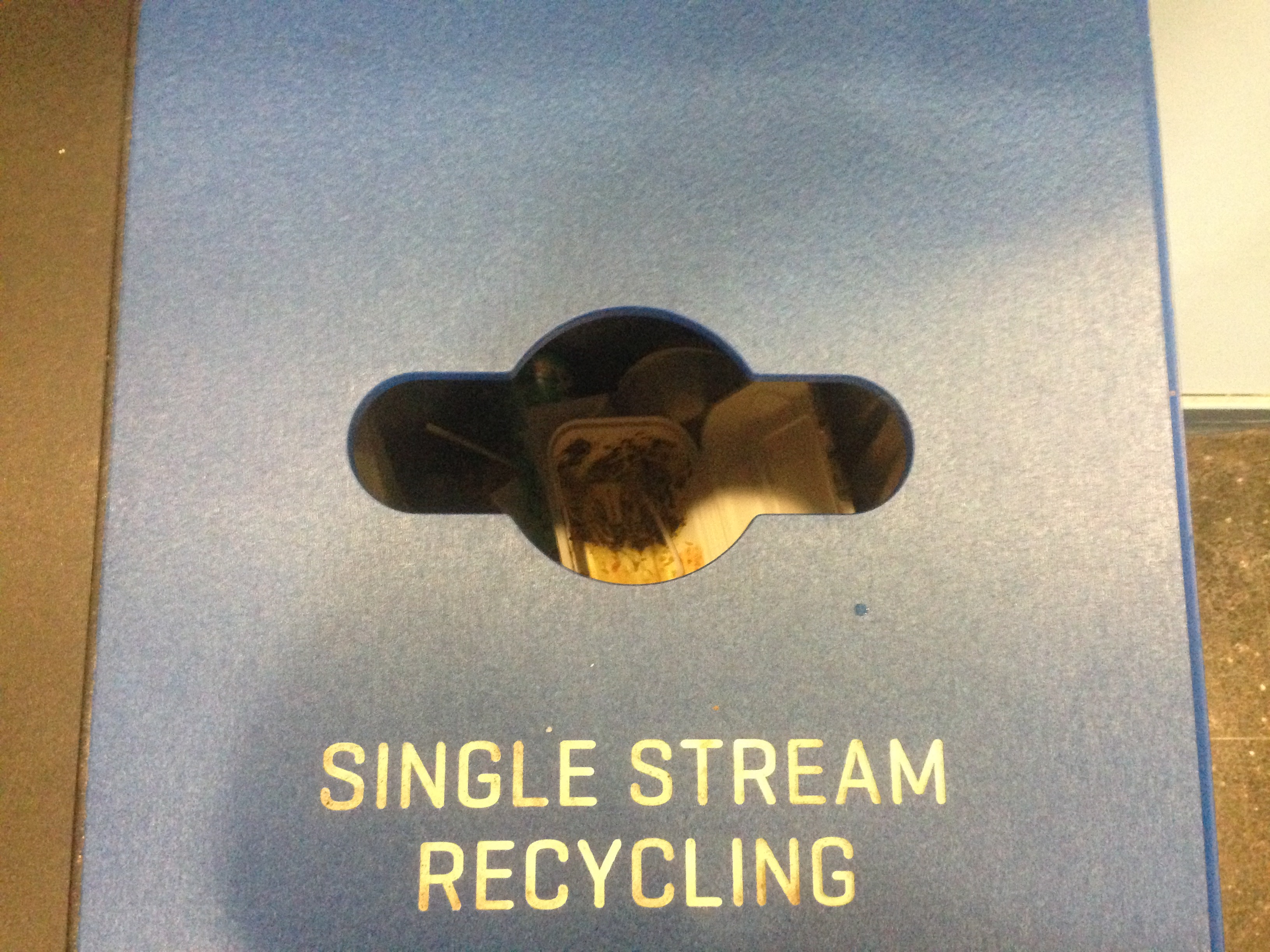
I took pictures of the inside of each bin at approximately 3 pm (after lunch) on Tuesday, February 27th and Friday, March 2nd.
Tuesday, February 27th
Friday, March 2nd
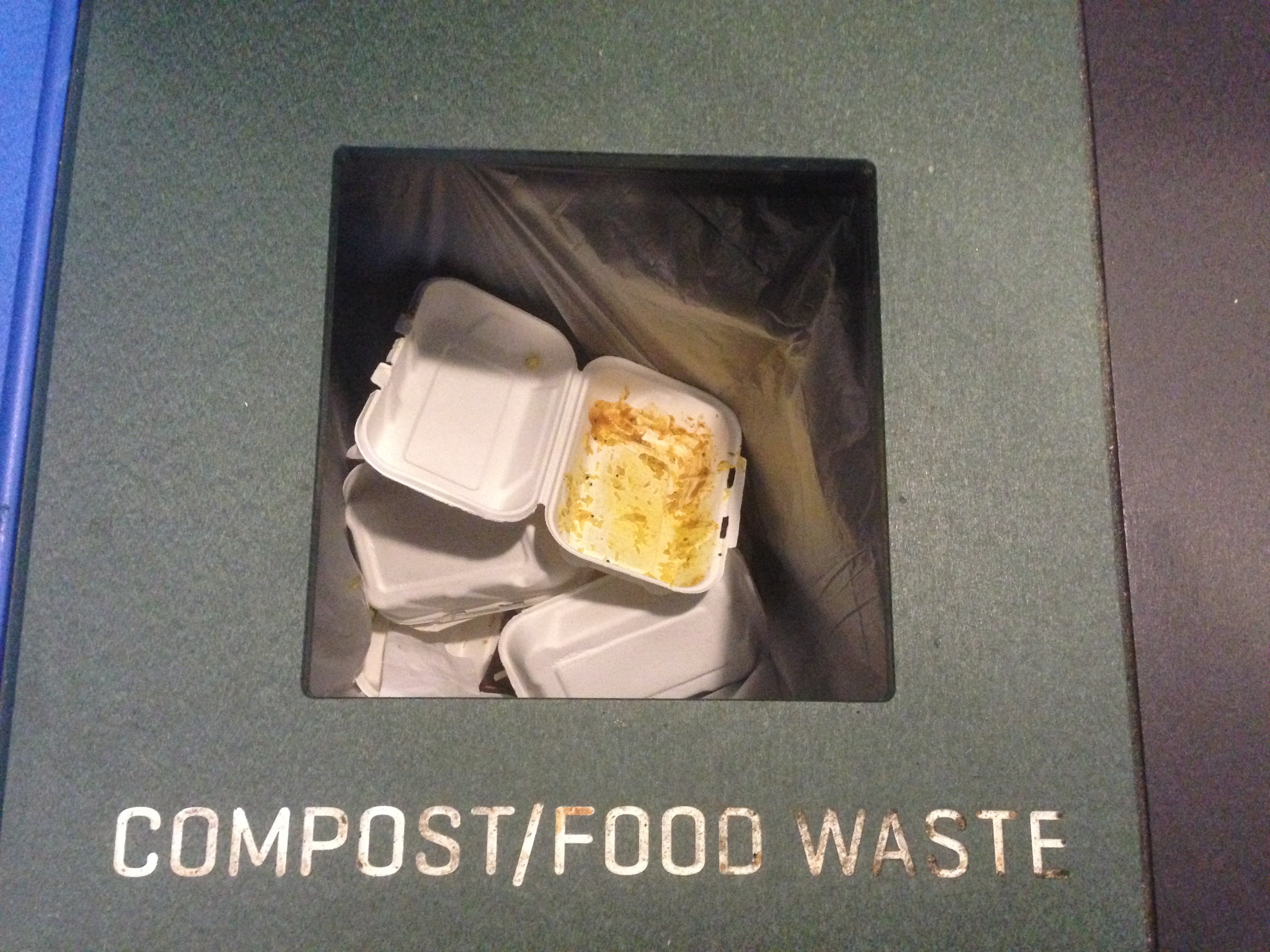
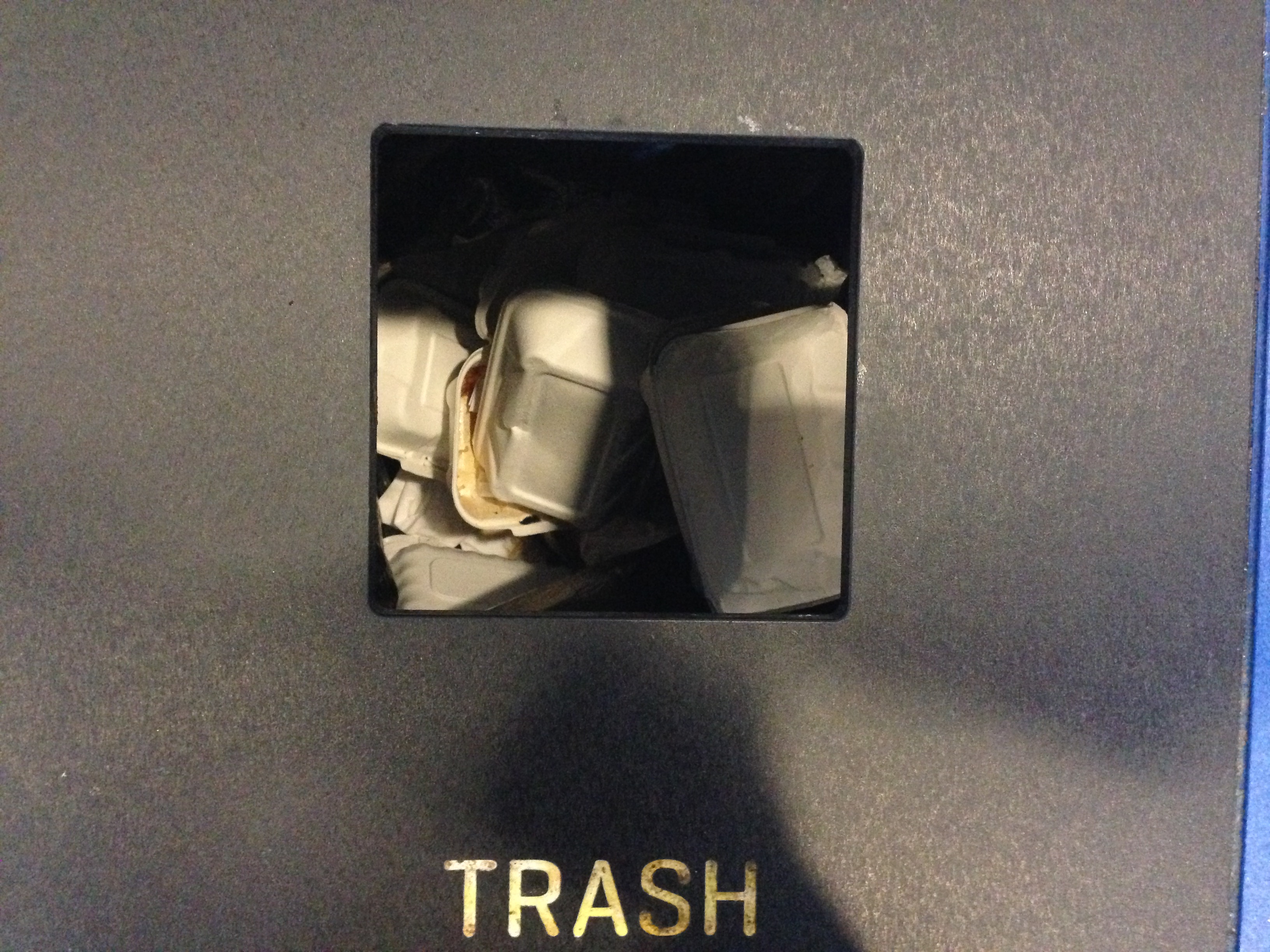
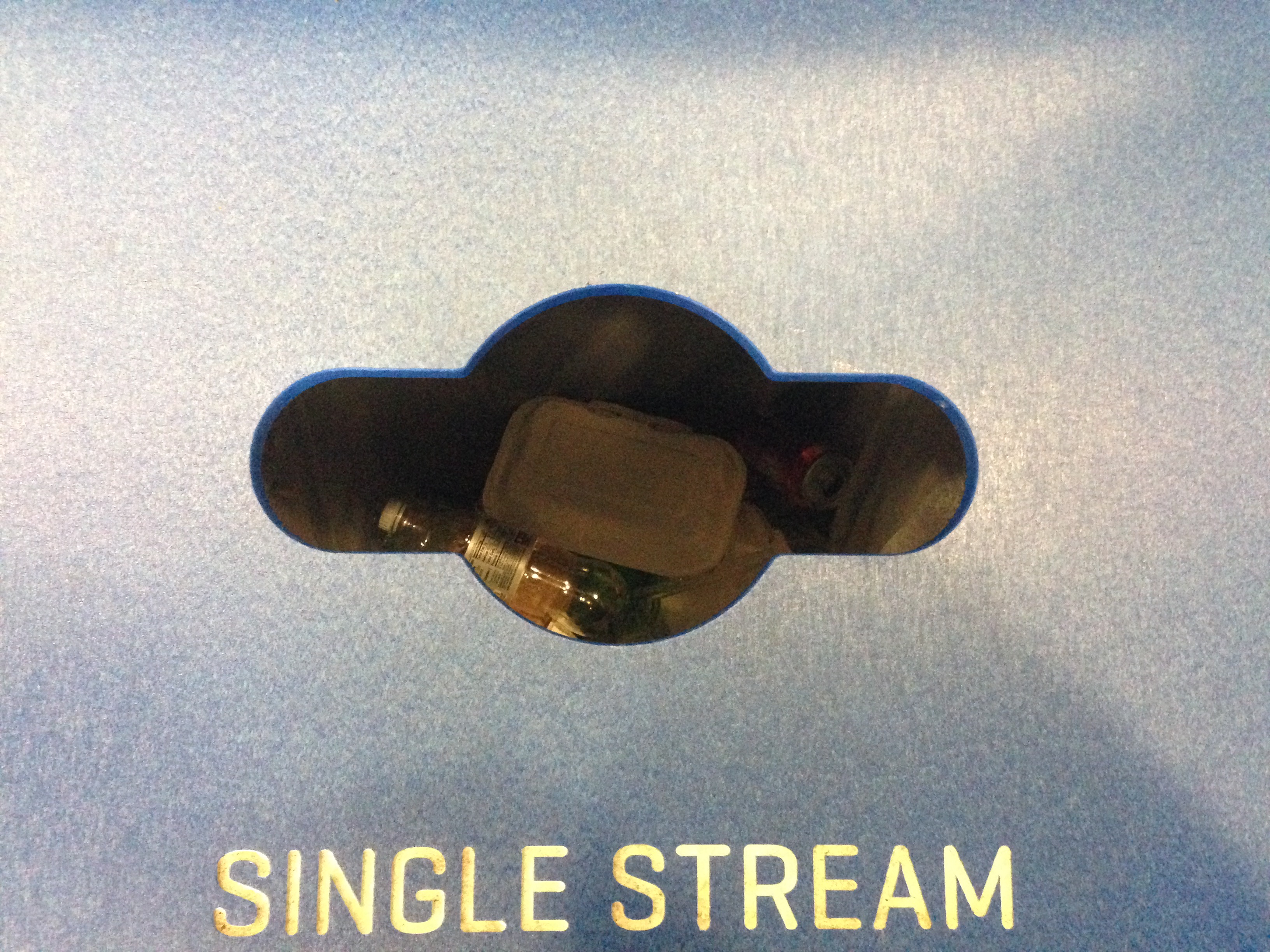
These two sets of pictures can show that people are mostly confused about what to do with their containers. Paper and non-black plastic food containers are recyclable. However, it can be clearly seen that they exist in all the bins.
My most important observation; however, was this scene:
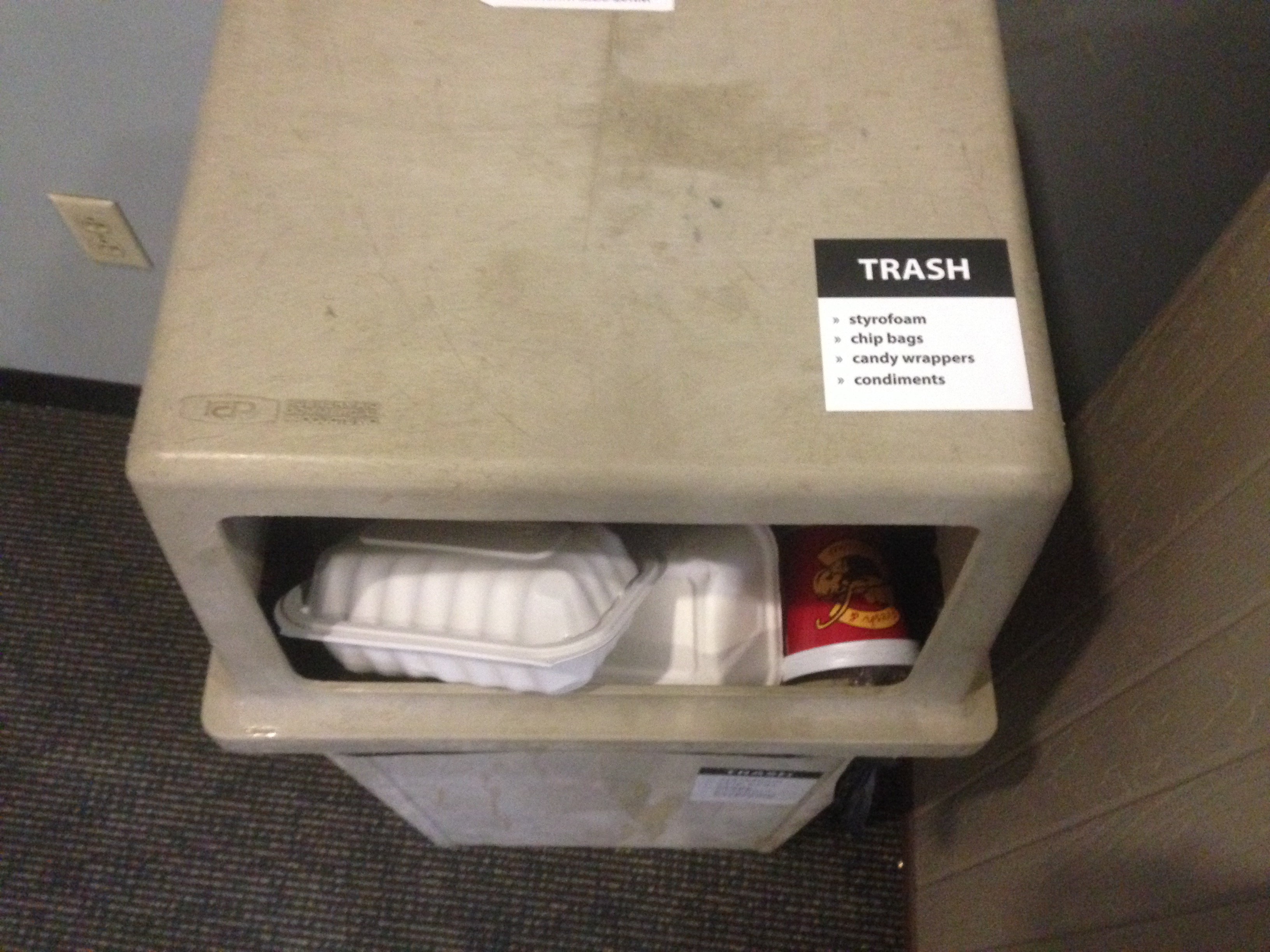
This is a regular trash bin designed for non-recylable trash. The fact that this bin is overflowing for recylable food containers indicates that people have a tendency to not to go through the process of separating their trash in different bins if they can just throw out the whole thing at once.
Conclusions
After combining observations with experiences, I came up with a list of merits and shortcomings for the recyle bins.
Merits
- Easy to use for North Americans or Europeans
- Signs clearly show how to separate
- Color coding the bins helps recogntion of the bins (e.g. green for compost and blue for recycling)
Shortcomings
- Not easy to use for users from places with different culture
- Not easy to use for users without English knowledge
- Different sizes of bins are not necessarily helpful
- Takes too much time for users to go through the instructions
- Existance of regular trash bins makes users less willing to use recycle bins
- Observations on different days showed that the recycle bins are not succesful in acheiveing their primary goal: separation of trash.