Skip to content ↓
Menu
What are you looking for?

Spotlight: Apr 2, 2026

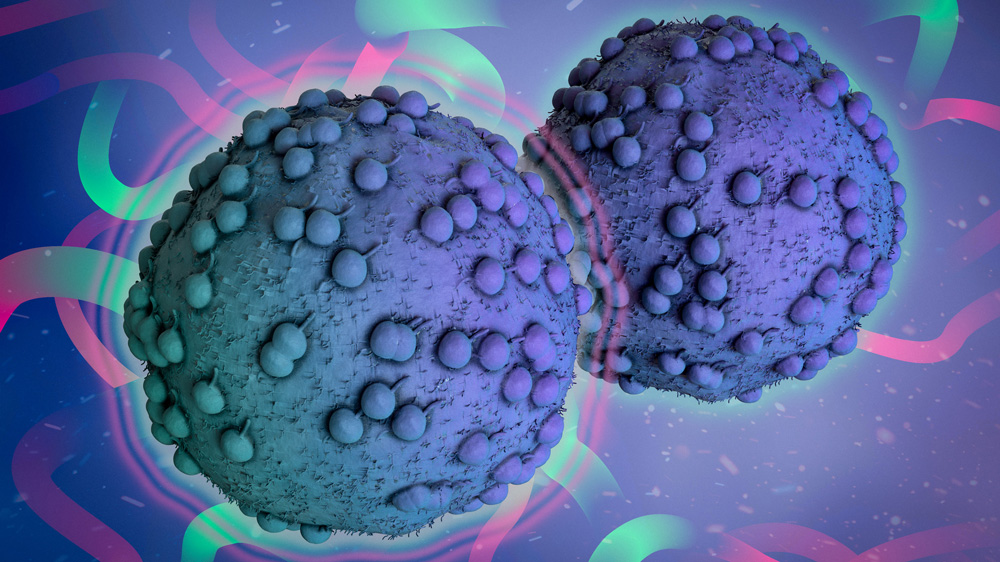
Researchers discovered why cancer drugs called tyrosine kinase inhibitors don’t always work as expected: Some tumors turn on a backup survival pathway that helps them keep growing when tyrosine kinase is turned off. Combining therapies may offer a solution.
Research and Education that Matter

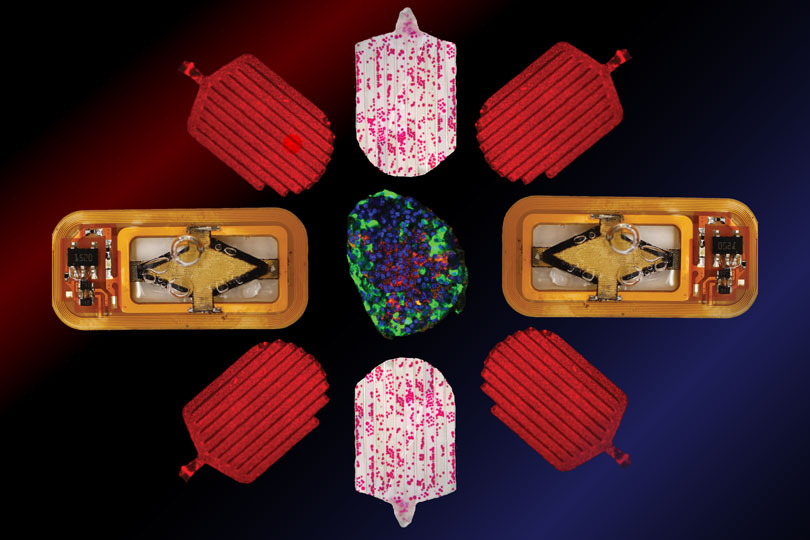
Researchers are developing an implantable device containing insulin-producing cells, to replace regular injections for type 1 diabetes. The goal is “a device that could continuously create protein therapeutics on demand and as needed by the patient,” Daniel Anderson says.

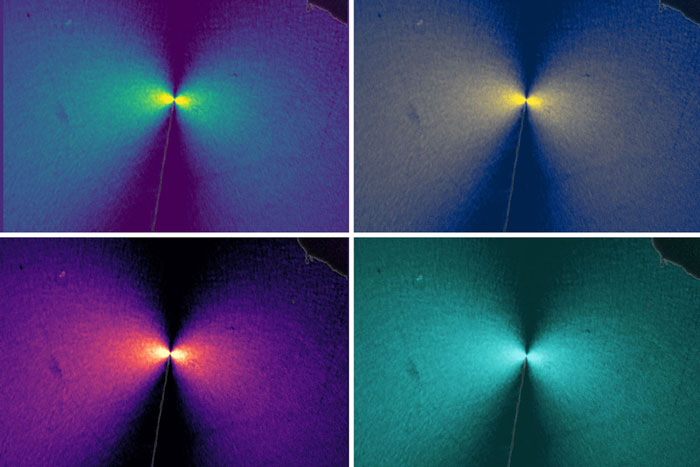
Batteries with solid electrolytes could be safer and far more energy-dense than lithium-ion batteries — if only researchers could prevent that electrolyte from cracking. A new study by DMSE researchers helps engineers find a way past this longstanding hurdle.

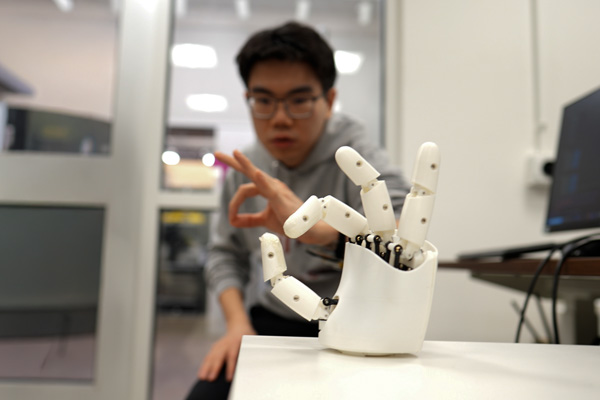
Engineers designed a wristband that lets wearers control a robotic hand with their own movements. By moving their hands and fingers, users can direct a robot to play piano or shoot a basketball, or manipulate objects in a virtual environment. 

A new sensor can detect compounds in a person’s breath to quickly diagnose pneumonia and other lung conditions. Rather than sit for a chest X-ray or wait hours for a lab result, a patient may one day take a breath test and get a diagnosis within minutes.

In a world without MIT, radar wouldn’t have been available to help win World War II. We might not have email, CT scans, time-release drugs, photolithography, or GPS. And we’d lose over 30,000 companies, employing millions of people. Can you imagine?

​Since its founding, MIT has been key to helping American science and innovation lead the world. Discoveries that begin here generate jobs and power the economy — and what we create today builds a better tomorrow for all of us.