Skip to content ↓
Menu
What are you looking for?

Updates from campus: Read messages from MIT's leaders regarding recent events on campus, sharing relevant policies, and correcting misinformation.

Spotlight: Jun 30, 2024

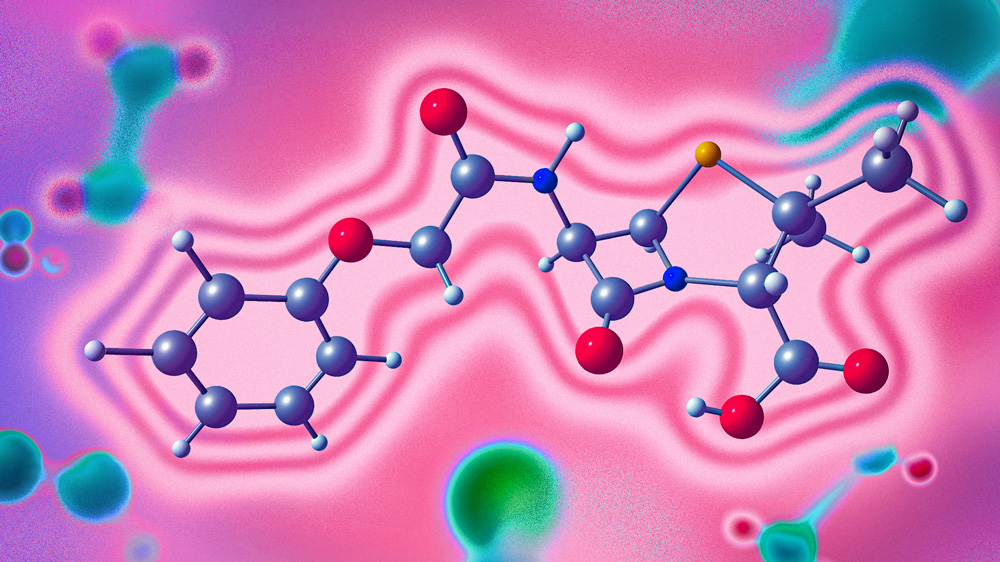
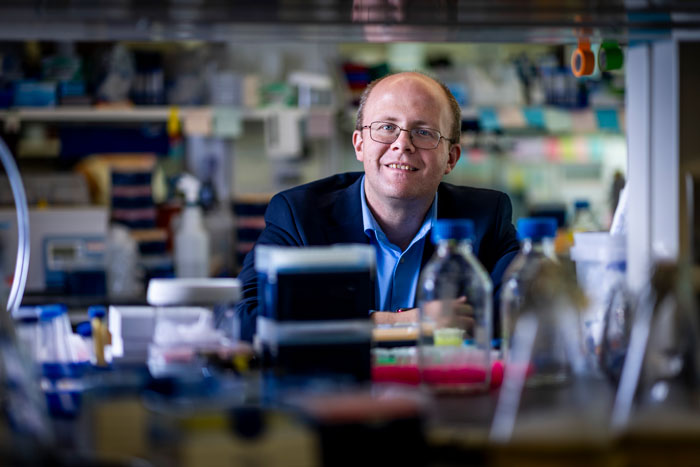
A new computational method can predict chemical reactions that could generate compounds with desirable pharmaceutical properties. The approach could help drug companies design molecules of interest, before spending money on a process that might not work.

Jun 30, 2024

Full story

MORE FROM THE MIT COMMUNITY

IN THE MEDIA

The Wall Street Journal profiled economist David Autor, writing that his “thinking helped change our understanding of the American labor market.” Autor said that in his view, “The fastest way to improve people’s welfare is to improve the labor market.”

COMMUNITY

By designing new tools that can analyze huge libraries of immune cells and their targets, Michael Birnbaum hopes to generate better T cell therapies for cancer and other diseases. “T-cells are so diverse in terms of what they recognize and what they do,” he says.

RESEARCH

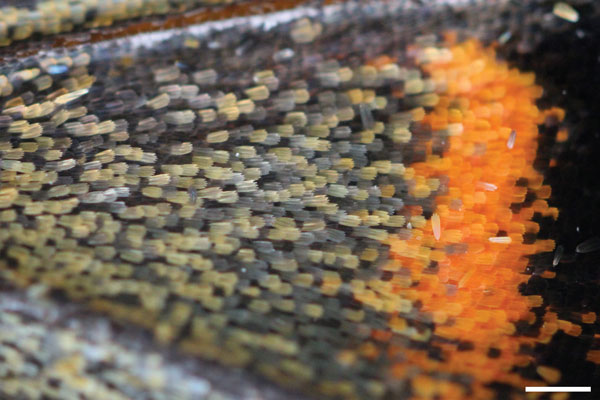
Researchers captured the early moments in a butterfly’s metamorphosis, as its wing scales develop signature ridges. “We hope to understand and emulate these processes, with the aim of sustainably designing and fabricating new functional materials,” Mathias Kolle says.

INNOVATION

The startup VEIR aims to transform the power grid with its superconducting transmission lines. "We can deploy the same high power but with a footprint and visual impact that is far less intrusive” than other options, says Tim Heidel ’05, SM ’06, SM ’09, PhD ’10.

COMMUNITY

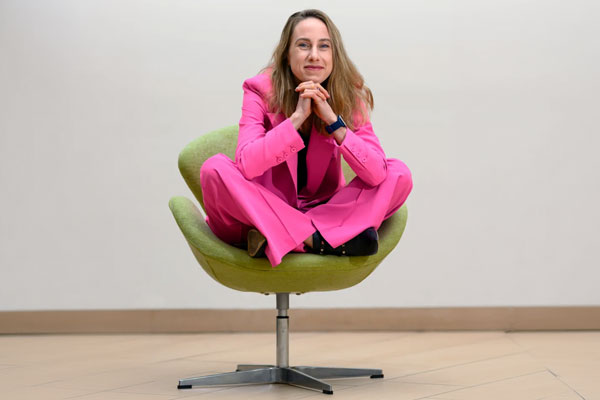
Polina Anikeeva followed up her ultrathin brain probes with tools to study the gut-brain connection — and now leads an MIT research center investigating neural pathways throughout the body. “I wanted to work on something that didn’t exist,” she says.

VIDEO

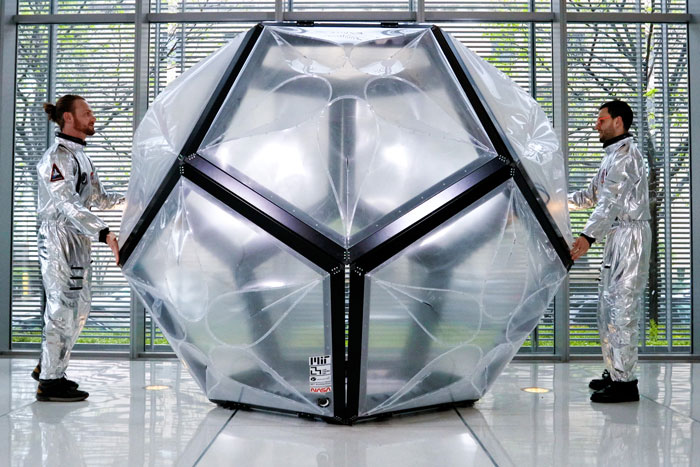
In MAS.S66/4.154/16.89 (Space Architectures), students designed, prototyped, and tested structures to support human habitation in space. “We need to be designing habitats for human experiences that people will want to live in for a long time,” Skylar Tibbits says.