Skip to content ↓
Menu
What are you looking for?

Updates from campus: Read messages from MIT's leaders regarding recent events on campus, sharing relevant policies, and correcting misinformation.

Spotlight: Feb 25, 2024

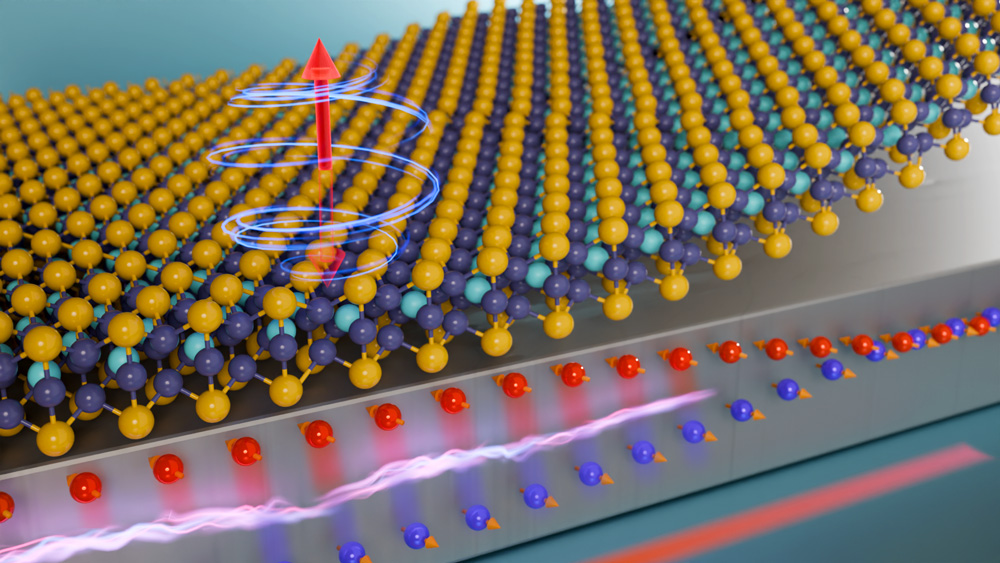
Researchers precisely controlled an ultrathin magnet — made of layers just a few atoms thick — at room temperature. The advance could enable faster, more efficient processors and computer memories that use far less energy than traditional silicon-based devices.

Feb 25, 2024

Full story

MORE FROM THE MIT COMMUNITY

COMMUNITY SPOTLIGHT

A love of cooking unlocked senior Branden Spitzer’s interest in materials science and engineering. He’s worked on a number of projects related to food and sustainability, from extending the shelf-life of produce to developing lab-grown meat.

RESEARCH NEWS

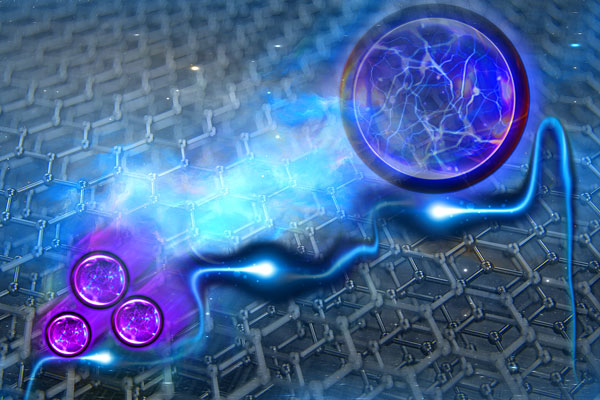
Physicists have observed the splintering of electrons in graphene, a relatively simple material. Such “fractional charge” is exceedingly rare, and if it can be controlled — perhaps through this new system — it may enable more robust quantum computers.

IN THE MEDIA

Erik Demaine told the Boston Globe how combining origami with computer science has enhanced his work in both: “We get stuck on a science problem and that inspires a new sculpture, or we get stuck trying to build a sculpture and that leads to new science.”

AROUND CAMPUS

A piano outfitted with technology to play back a performance with exquisite fidelity gave students and researchers a new view into their craft. “We are able to come to an understanding about how it is that pianists are able to do what they do,” Mi-Eun Kim says.

#THISISMIT

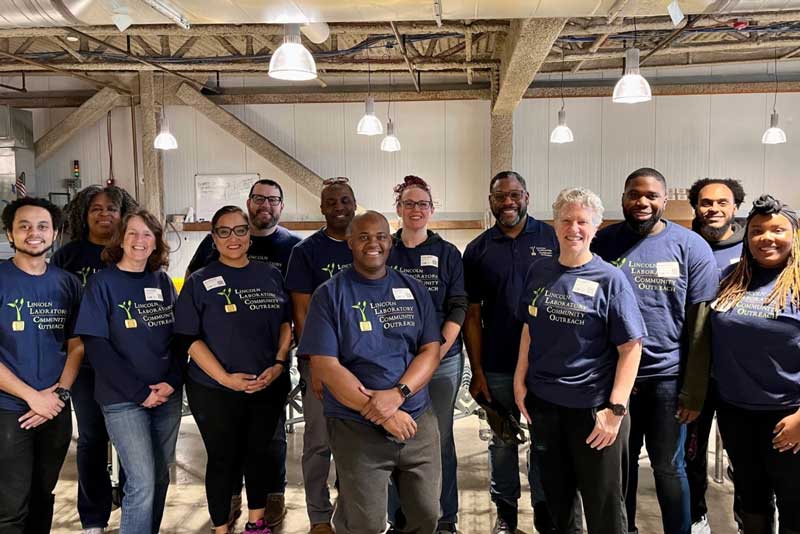
Via @lincoln_laboratory on Instagram: “On Saturday, as part of Lincoln Laboratory’s series of Black History Month events, members of our community volunteered at the Greater Boston Food Bank.”

COMMUNITY SPOTLIGHT

Political science and physics major Leela Fredlund wants to ensure fairness and justice prevail in humanity's leap into space: “I realized that I could raise very interesting questions at the intersection of astronomy and political science,” she says.