Skip to content ↓
Menu
What are you looking for?
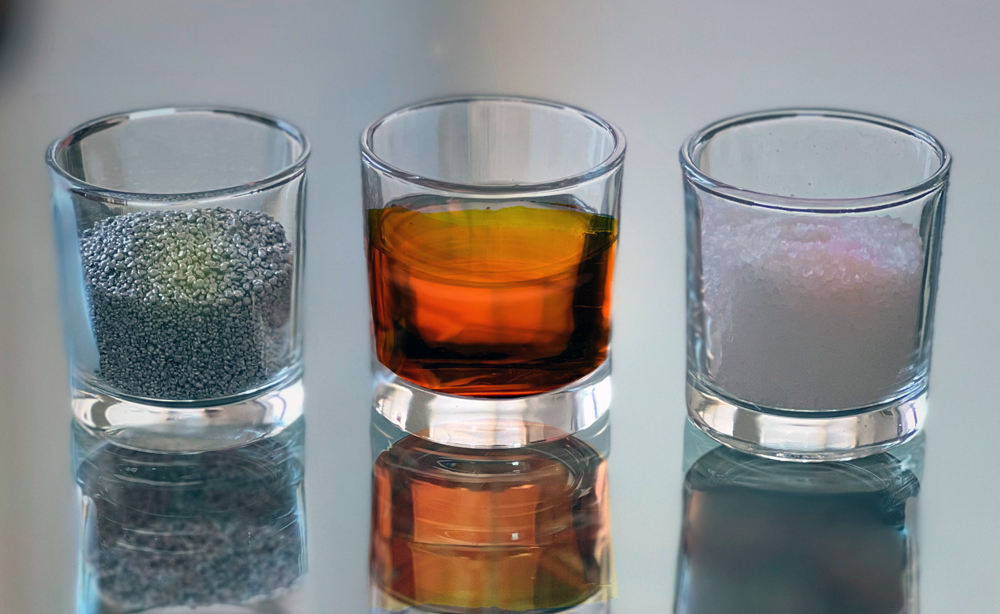
The three primary constituents of the new battery are (left to right): aluminum, sulfur, and rock salt.

Spotlight: Aug 25, 2022

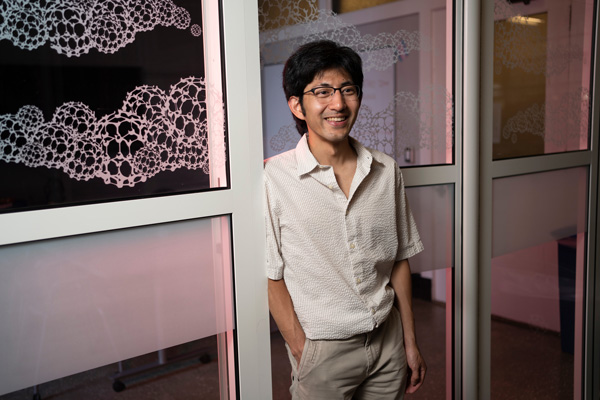
A new battery design made from abundant materials could provide low-cost backup storage for renewable energy sources. “I wanted to invent something that was better — much better — than lithium-ion batteries for small-scale stationary storage,” says Don Sadoway.

Aug 25, 2022

Full story

MORE FROM THE MIT COMMUNITY

COMMUNITY SPOTLIGHT

DMSE PhD student Pablo Leon uses machine learning to expedite research on new battery materials. A positive relationship with his advisor has enabled significant progress in his research and led Leon to mentor junior PhD students in his department.

COMMUNITY SPOTLIGHT

Joy Dunn ’08 is vice president of operations at Commonwealth Fusion Systems, an MIT spinout working to achieve commercial fusion energy. She’s drawn to fusion’s potential for “addressing issues of environmental injustice through an equitable distribution of power and electricity.”

COMMUNITY SPOTLIGHT

Mary Ellen Zurko of Lincoln Laboratory pioneered user-centered security in the 1990s. Now she’s using those insights to help thwart influence operations. “Disinformation campaigns are … sort of the ultimate use of cyber technology to subvert humans,” she says.

#THISISMIT

Via @mistiatmit on Instagram: "I would say that having students travel the world and be able to actively apply their MIT learnings and brilliance into the workplace is a key instrument in preparing them for their time after MIT." - Mariama Ndiaye, MBA/MCP '24.

RESEARCH NEWS

​​Engineers have found that semiconductors, well-known materials that have been the focus of intense study for over 100 years, become much stiffer in response to light. And, the effect is reversible when the light is turned off.

RESEARCH NEWS

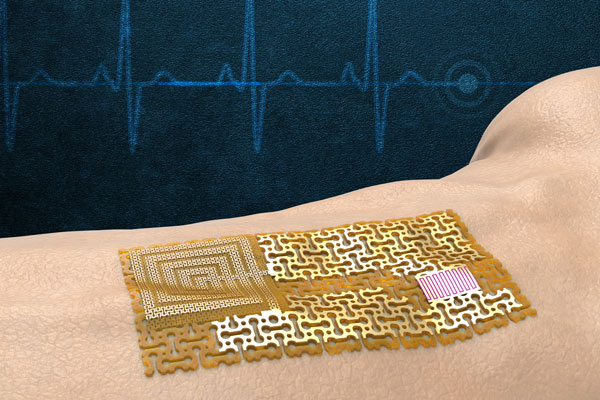
Engineers have fabricated a chip-free, wireless electronic “skin” — a flexible, semiconducting film that conforms to human skin. The new device can sense and transmit signals related to pulse, sweat, and UV exposure, without bulky chips or batteries.