| Patch size: Smaller patches of land support fewer species than larger patches. However, habitat complexity can sometimes compensate for small patch size: adequate shrub understory, mature trees, standing dead trees (snags), downed logs, natural debris piles, rock piles, floating logs and islands in ponds and wetlands, perches, roosts, and cavities all increase the value of the habitat for wildlife. | 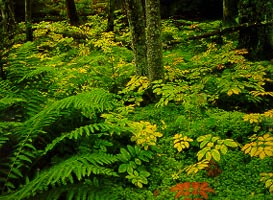 |
 |
Patch Shape: Linear patches consist mainly of edge habitats. Geometric patches provide both edge and interior habitats. Species that require interior habitats will not be found in linear patches. |
| Patch Composition: Habitat patches that have more structural and habitat complexity will support a larger number of species. For example, in a forest, different bird species use different forest layers such as the forest floor, low shrubs, tree trunks (including dead trees), lower canopy, and upper canopy. | 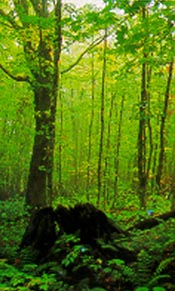 |
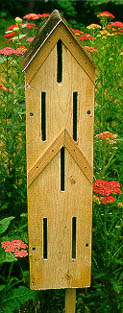 |
Small-Scale Wildlife Features: It is possible to attract wildlife with small-scale features. Aggregations of potted plants and flower beds provide nectar, pollen, and seeds. Small trees, shrubs, hedges, and climbing plants along fences and walls provide nesting cover and berries. Unmowed lawn or grassy areas can be seeded as miniature wildflower meadows. Bird baths; feeding stations; and nesting boxes for bats, birds, butterflies, and mason bees can all be used to encourage wildlife. |