
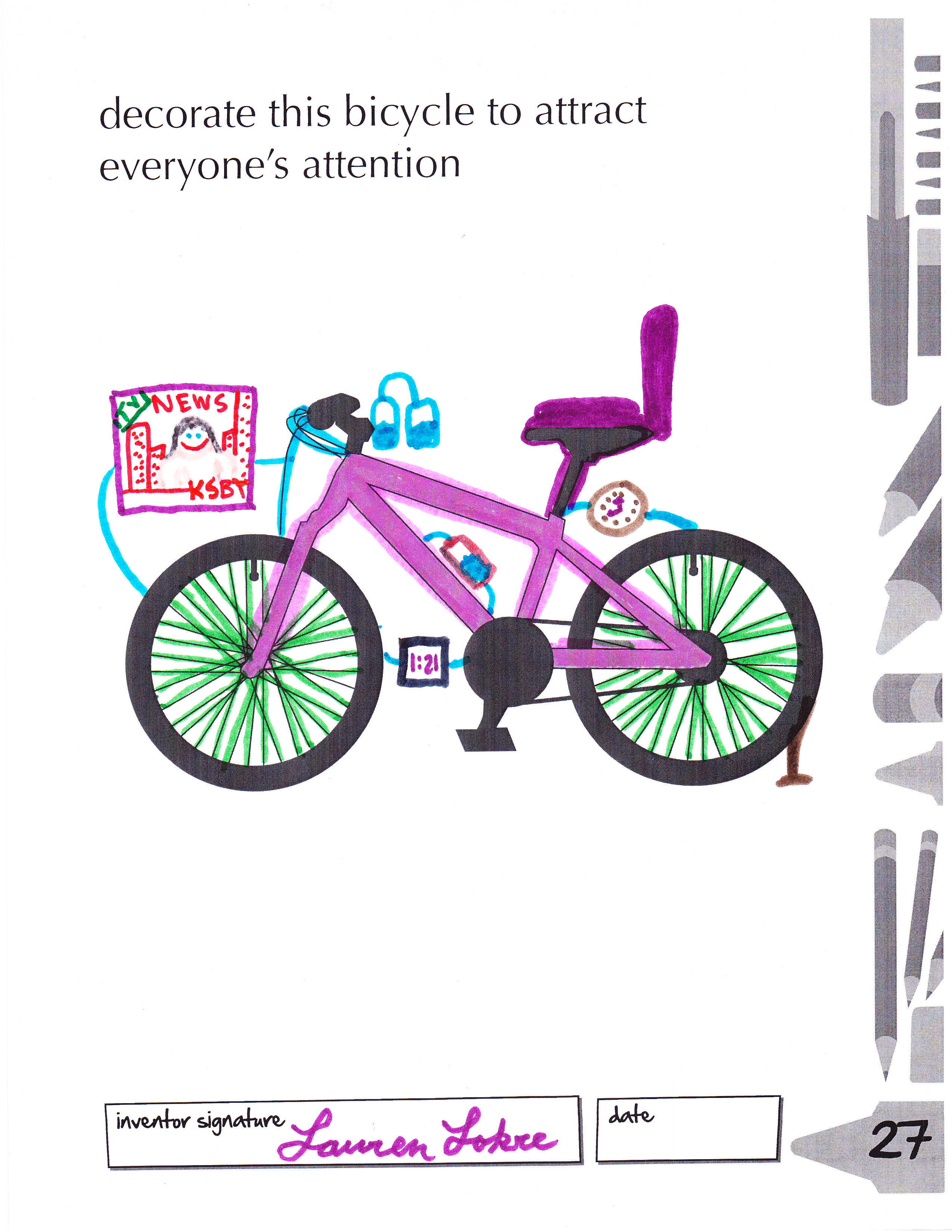
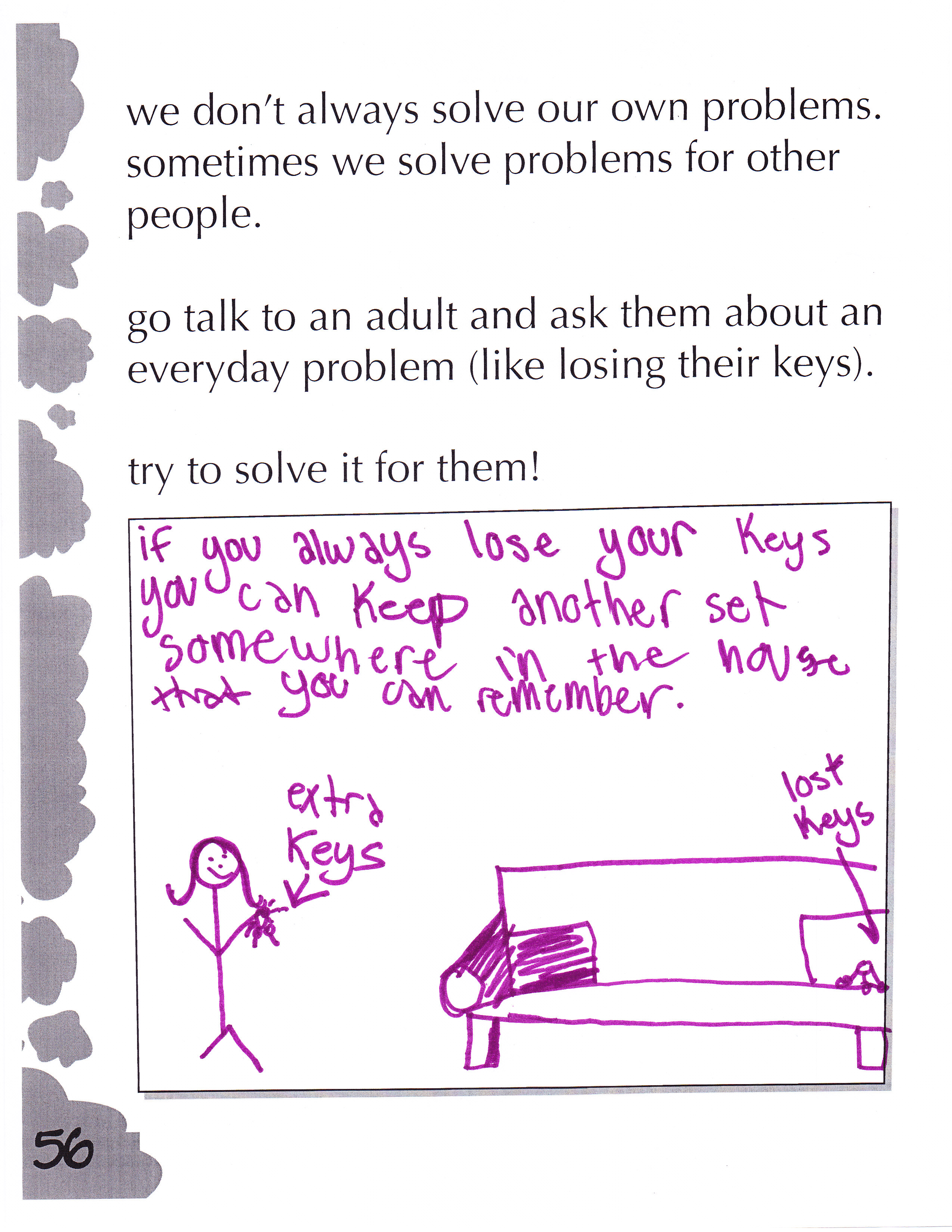
Play testing was conducted in two different sessions: once at the Margaret Fuller House in Cambridge and once at the MIT Museum. The children at the Margaret Fuller House are from the East Cambridge area and were in the 2nd to 4th grade range. We tested activities with approximately 10 children. The children responded positively to the activities. This age group really liked the activity of drawing their name so it said something about them as well as drawing their name without using their hands. They also spent a lot of time on the tracing paper. The decorating the bike activity also tested well. They often added small details to already existing pictures. Several of them were asked if they could get the books once they realized it was going into a “real” book. The activities with lists of words were summarily rejected by this group. They would look at the lists and then ask for a different activity. The scissors activity received mixed results with some of the children becoming very involved, perhaps because of the drawing.
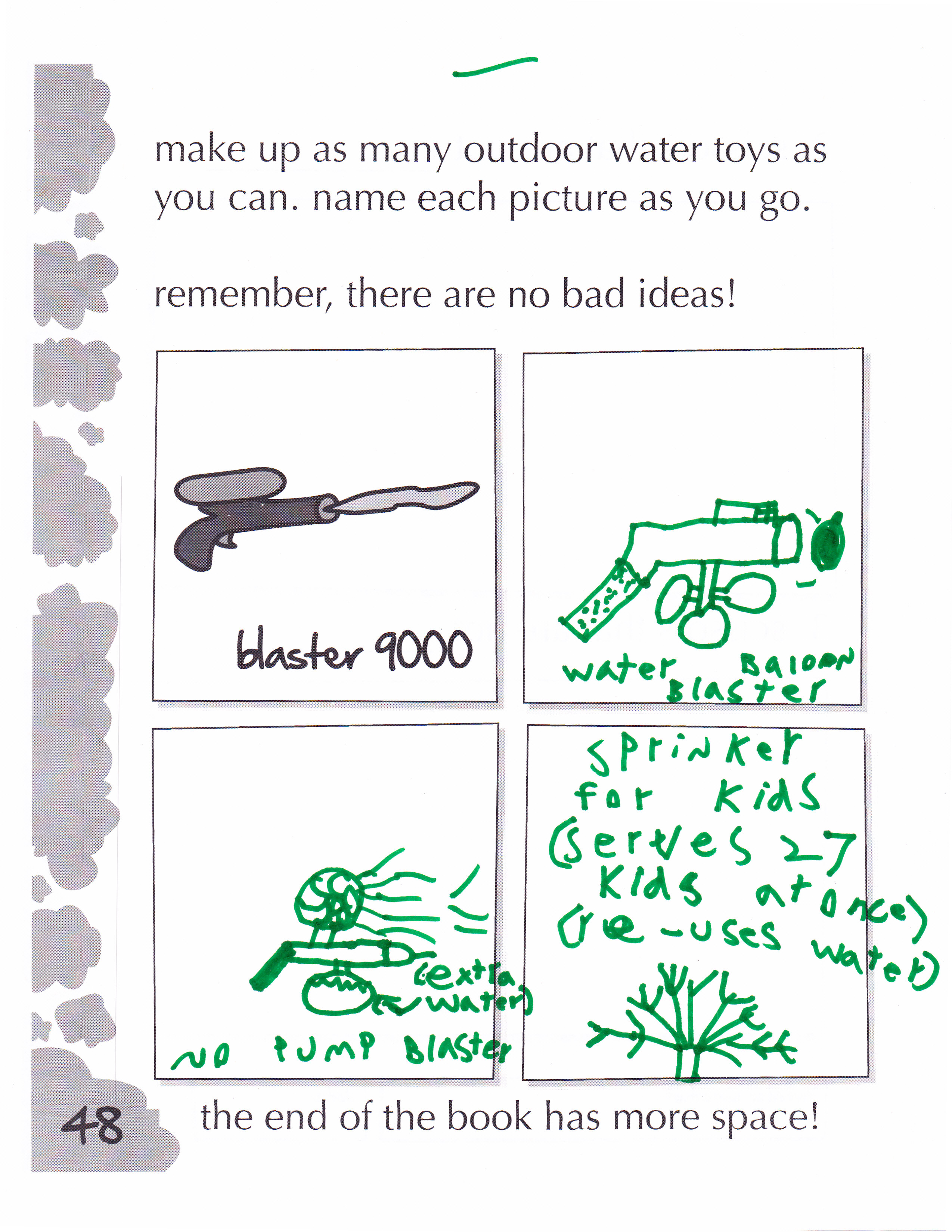
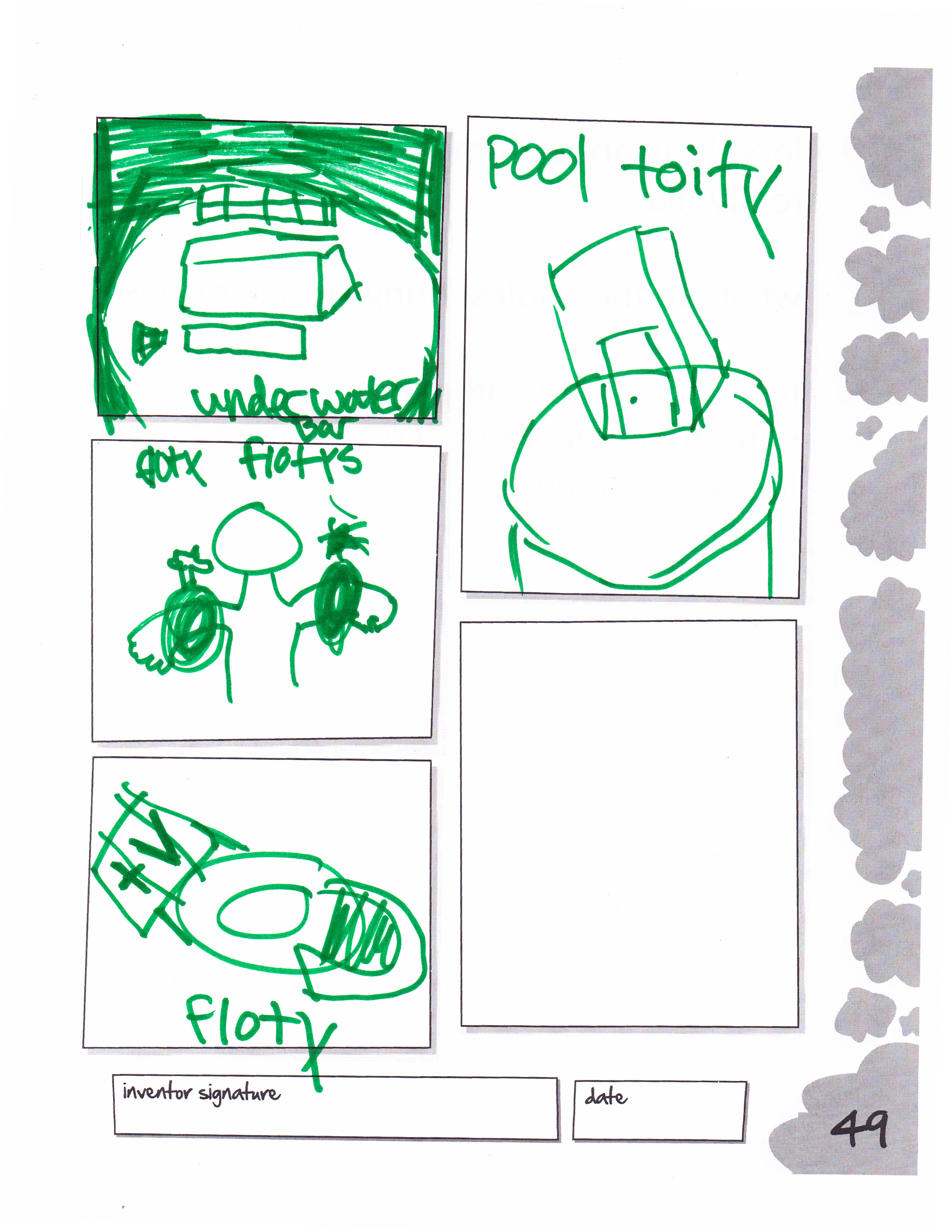
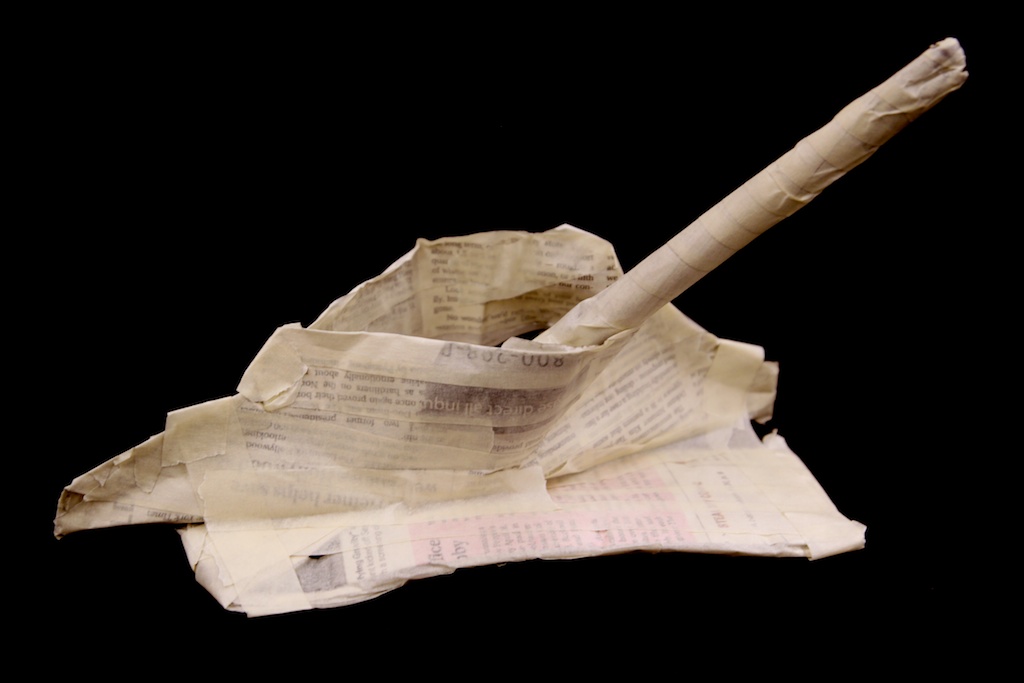
The MIT Museum testing involved a group of about 40 5th graders from Santa Barbara, California. This group also responded very well to the tracing paper although they used it in a slightly different way. They added much more fine detail and spent a lot of time on the background. They also completed the association mapping activity much more quickly and were more likely to add their own bubbles. The ideating section with the outdoor water toys was also very popular with many ideas being created. It was interesting to note that most of the enjoyment came from explaining the ideas to the team, rather than the simple creation of the idea. This drove the interaction content in the book, although in future revisions we may make this more explicit or prominent. For example, getting a parent’s signature as well as the inventor’s signature on some of the activities. The chef’s hat and boat activities were also popular with this group. The older children seemed to appreciate the open-ended questions but needed some encouragement to do so. The dialogue of “what am I supposed to do now?” “whatever you want” “oh... ok” happened frequently, often with creative results. The list activities also did not go over well with this group. This drove us to the decision to change almost all of the activities in the book to be based on drawing ideas instead of describing with words, taking advantage of the children’s confidence with drawing versus writing.