From High-Density Cortical Interfaces to Optic Nerve Neurotechnology: Translational Bioelectronic Platforms for Functional Mapping, Neuromodulation, and Vision Restoration
9th April 2026
Timing : 1 pm ET
Please use this zoom link for joining the webinar
For a list of all talks at the NanoBio seminar series Spring'26, see here
I will discuss the design and clinical deployment of platinum nanorod-based cortical grids and related microscale electrophysiology technologies that enable conformal, high-fidelity surface recordings for functional brain mapping, seizure monitoring, and stimulation. I will also highlight integrated neurotechnologies that combine neural sensing with real-time visual display in the surgical field, as well as wireless ECoG and microSEEG systems designed to expand channel count, improve patient mobility, and support semichronic human-compatible monitoring. These platforms lay the groundwork for “super-resolution” clinical mapping and more precise neuromodulation.
Finally, I will outline emerging directions in spinal cord and optic nerve interfaces, including regenerative and bio-instructive neuroelectronics aimed at restoring lost function after injury or disease. Together, these efforts illustrate how advances in materials, microfabrication, circuit integration, and clinical co-design can converge to reshape the future of neuroscience, neurotechnology, and restorative medicine.
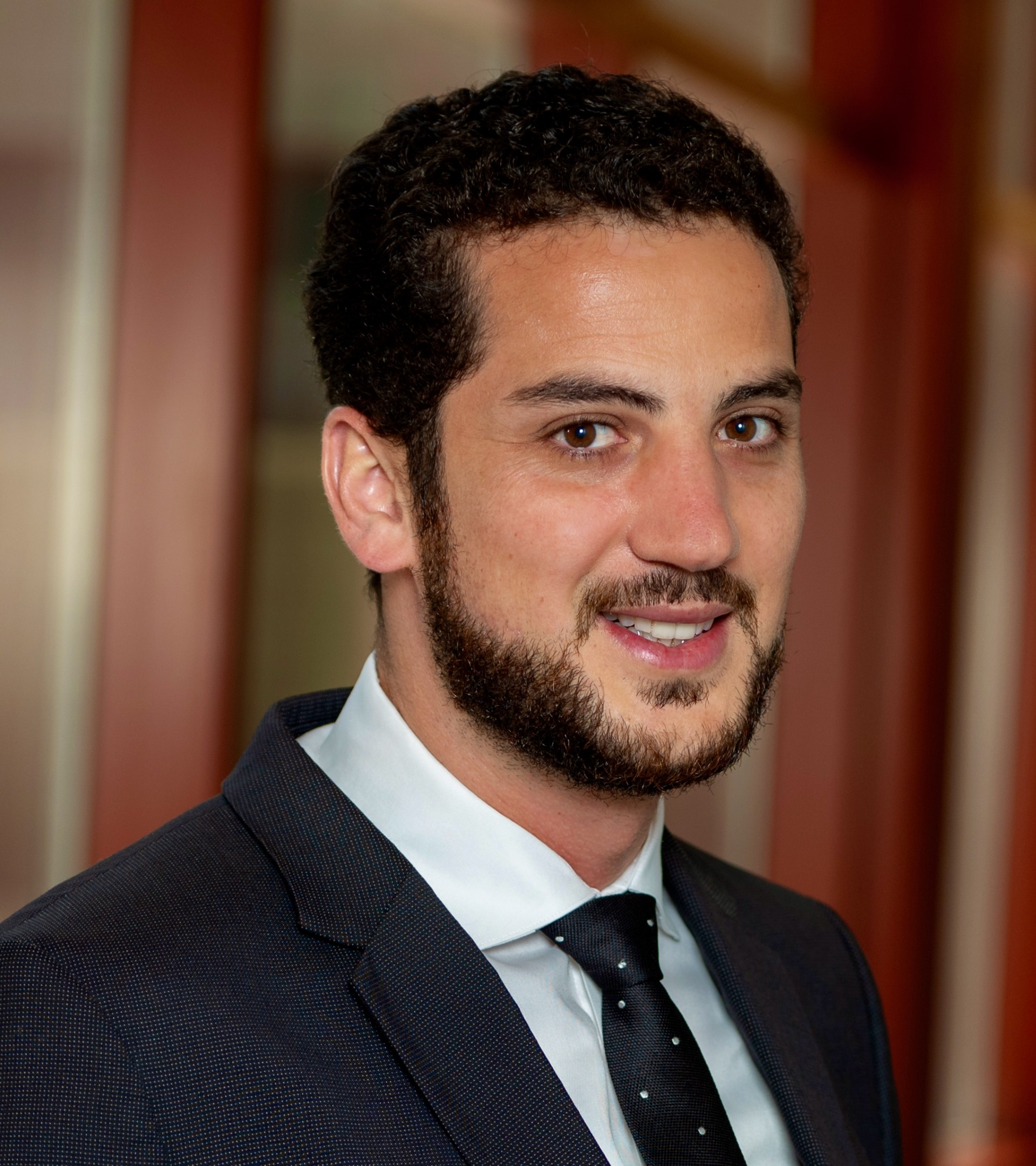
Dr. Shadi A. Dayeh
Shadi A. Dayeh, Ph.D., is Professor of Electrical and Computer Engineering at the University of California San Diego and founder of the Integrated Electronics and Biointerfaces Laboratory. His research focuses on the development of human-grade neural interfaces for high-resolution recording and stimulation of the nervous system. His group pioneered platinum nanorod (PtNR) electrode technology, advanced electrocorticography toward thousand-channel-scale systems, and developed conformal brain-surface microdisplay platforms for real-time intraoperative visualization. Dayeh’s team secured an FDA Investigational Device Exemption (IDE) for a 1,024-channel intraoperative cortical recording platform, and he leads a multi-institution effort to modernize epilepsy monitoring through wireless and closed-loop neurotechnology. He also contributes to ARPA-H’s THEA program on whole-eye transplantation, helping develop neurotechnologies that connect optic nerve and brain interfaces to vision restoration. Trained across electronic materials and devices, micro- and nanofabrication, and neurophysiology, Dayeh’s work bridges fundamental engineering and clinical translation with an emphasis on safety, scalability, and impact.
Shadi A. Dayeh, Ph.D., is Professor of Electrical and Computer Engineering at the University of California San Diego and founder of the Integrated Electronics and Biointerfaces Laboratory. His research focuses on the development of human-grade neural interfaces for high-resolution recording and stimulation of the nervous system. His group pioneered platinum nanorod (PtNR) electrode technology, advanced electrocorticography toward thousand-channel-scale systems, and developed conformal brain-surface microdisplay platforms for real-time intraoperative visualization. Dayeh’s team secured an FDA Investigational Device Exemption (IDE) for a 1,024-channel intraoperative cortical recording platform, and he leads a multi-institution effort to modernize epilepsy monitoring through wireless and closed-loop neurotechnology. He also contributes to ARPA-H’s THEA program on whole-eye transplantation, helping develop neurotechnologies that connect optic nerve and brain interfaces to vision restoration. Trained across electronic materials and devices, micro- and nanofabrication, and neurophysiology, Dayeh’s work bridges fundamental engineering and clinical translation with an emphasis on safety, scalability, and impact.