air
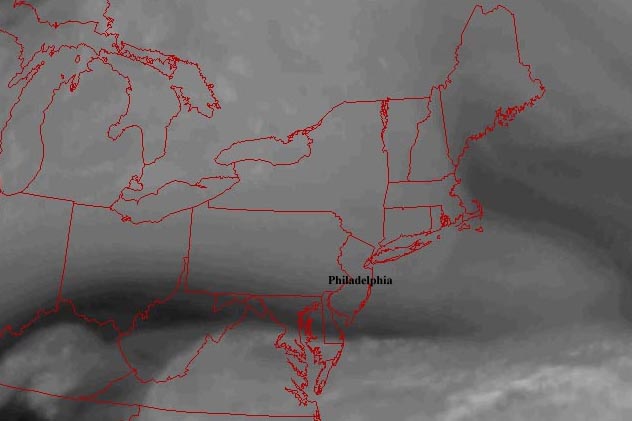
The wind in Philadelphia blows at an average speed of 10 miles per hour. Peak gusts reach 60 mph.During the summer the prevailing wind is from the south west and in the winter it is form the north west. Eastern winds acrosss the Atlantic ocean increase the level of humidity within the city.
The position of Philadelphia between the Appalachian mountains to the west and the Atlantic ocean in the east result in a moderate climate. Rare are the days below O degrees Fahrenheit and above 100. There is however a temperature fluctuation of about 48 degrees with the hottest temperatures in the eighties occurring in July. January, the coldest month is marked by temperatures in the 30's.
first frost: end of November
last frost: end of April
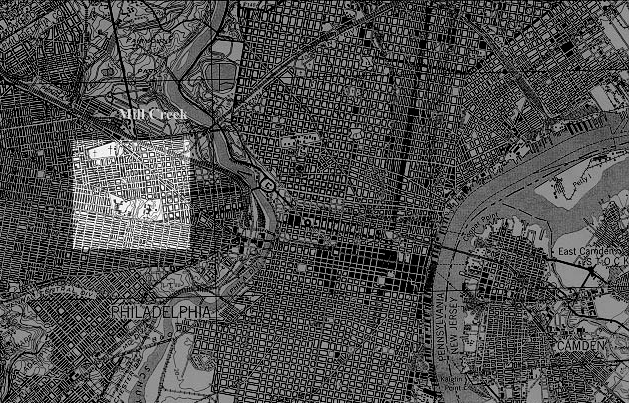
The northwest corner of Philadelphia, the area of Millcreek, is higher in elevation than the rest of the city. and this together with the impediment of downtown buildings may curtail air movement and decrease air quality.
Streets are oriented on a NW by SE grid in Millcreek and houses are thus fronting the NW winter winds and impeding the warmer breezes of summer.
Few streets are tree lined and the combination of asphalt and hard building materials like brick increase the temperature both because of the absence of shade and the evapotranspriation of plants.Mill Creek has temperatures that are 10 degrees higher than surrounding rural areas.
The higher elevation of MillCreek also means that it receives a higeher level of precipitation than the rest of Philadelphia and is ccooler in temperature.