Team HERDDStoryboardsIndividual Pages
|
|
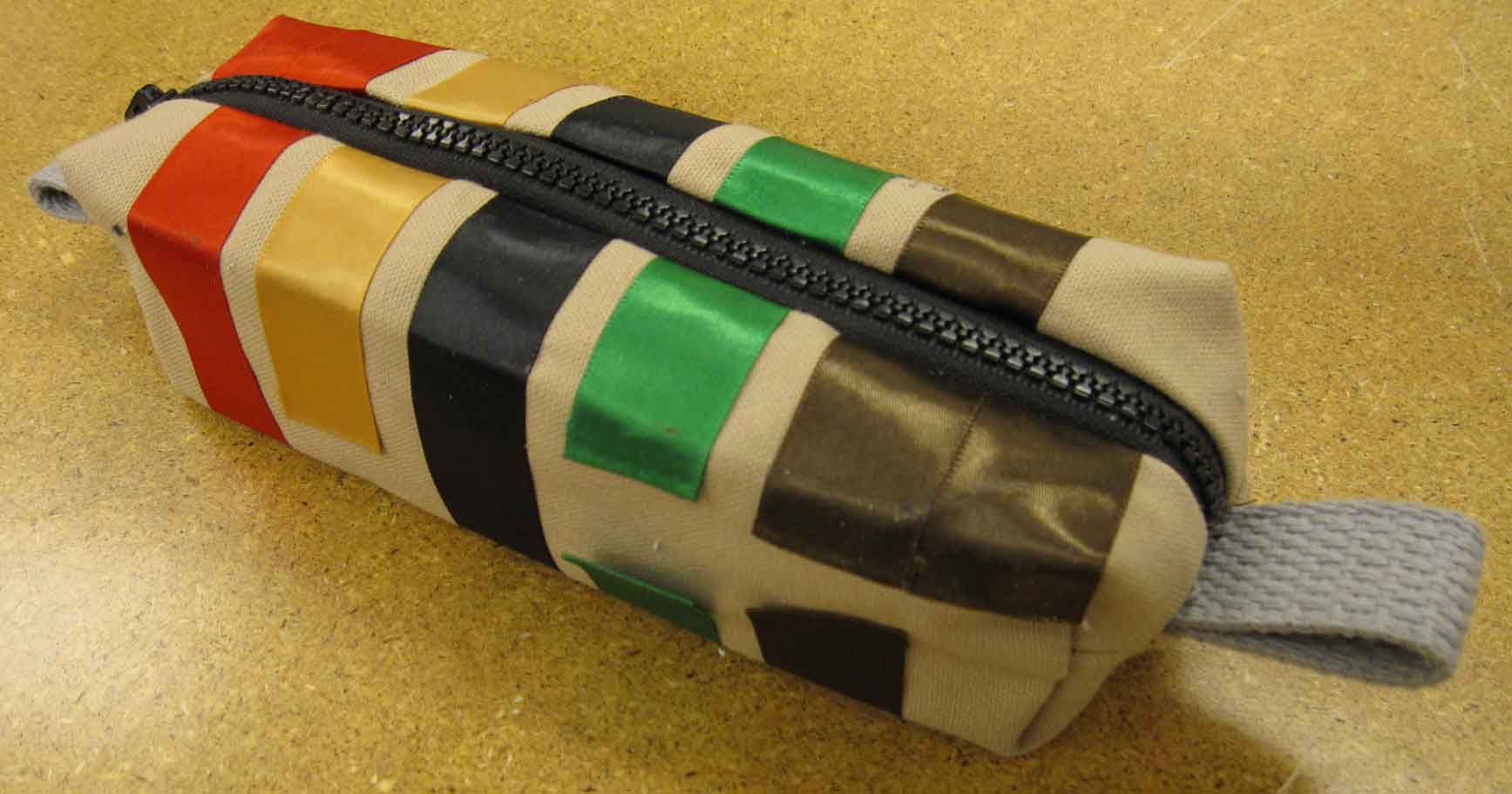
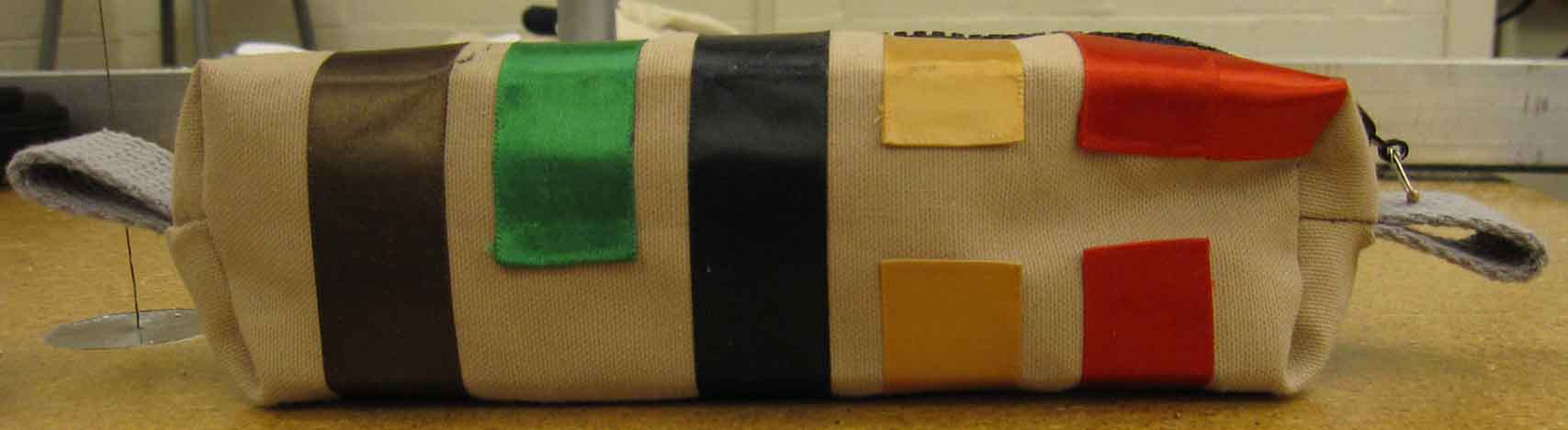
Giant Electronics: Resistor Pencil CaseThe resistor is a very recognizable electronic component, probably because it is often the most colorful component on a circuit board. Looking at the various containers that I use on a daily basis, I wanted to find one that had a similar shape to a resistor and eventually noticed my tubular (like a resistor) pencil case. Alas, the below case was inspired. Initially, the idea was to have a simple resistor. Later, the idea of having the resistor stripes take the form of the MIT logo was brainstormed by the team. The most common type of resistor is a four band resistor, but a five band resistor is needed to form the MIT logo. To take the product even farther in the MIT specific direction, I thought it would be neat to have the resistor be a 150 ohm resistor (the magnitude of the resistor is determined by the color of the stripes). On a simple four bad resistor, the colors would be brown-green-brown-gold. This is not the most exciting array of colors. On a five band resistor (necessary for the MIT logo), the colors for a 150 K + or - 2% ohm resistor would be brown-green-black-orange-red. (This can be confirmed at this site.) For visual appeal, I decided to go with this last color scheme. This first bag was modeled after a similar pencil case that I already own. It has a more rectangular shape but is only one solid piece of fabric thus less manufacturing time in sewing. The bag was made from scratch and the stripes were arranged so that they read MIT no matter which of the two long sides was facing the user. Gray webbing was used on the ends to represent wires coming out both sides of the resistor.
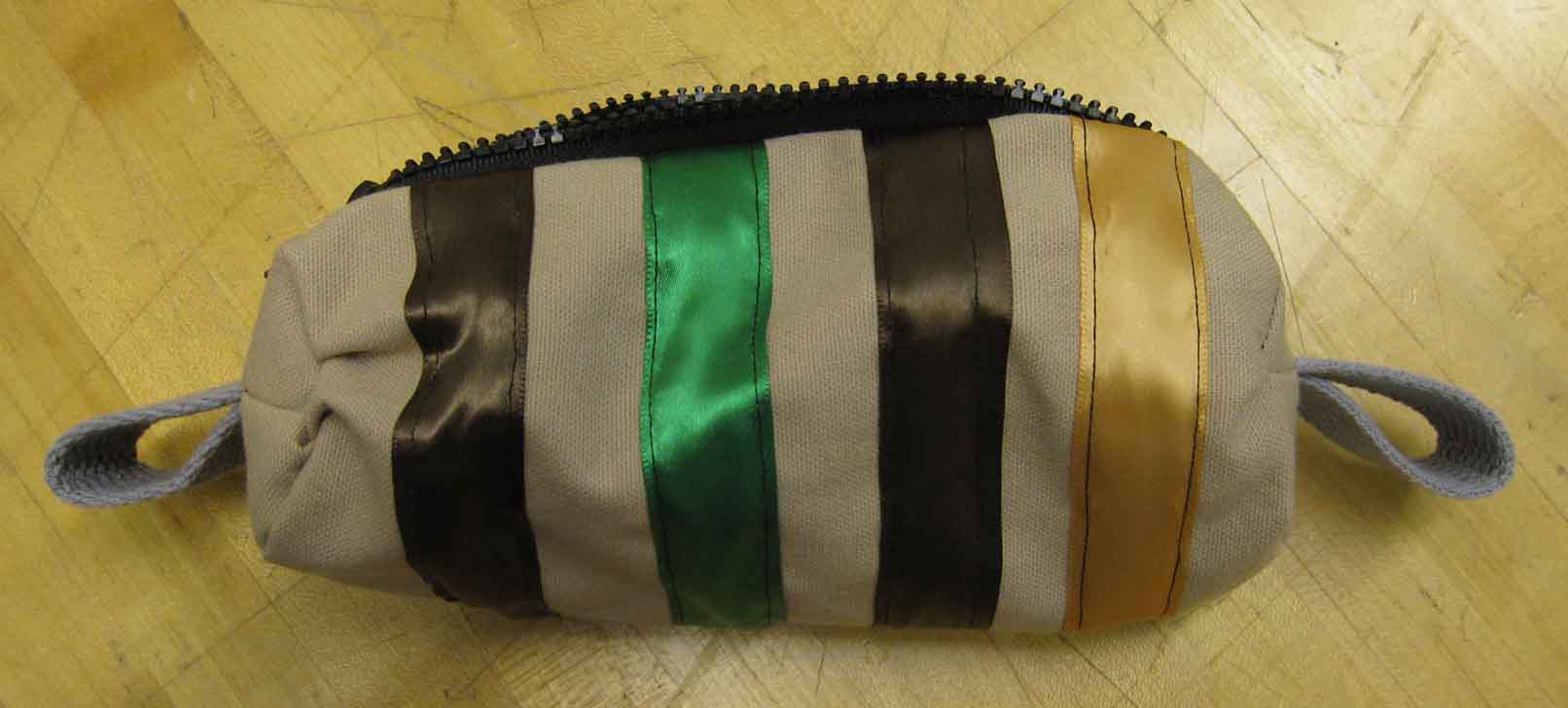
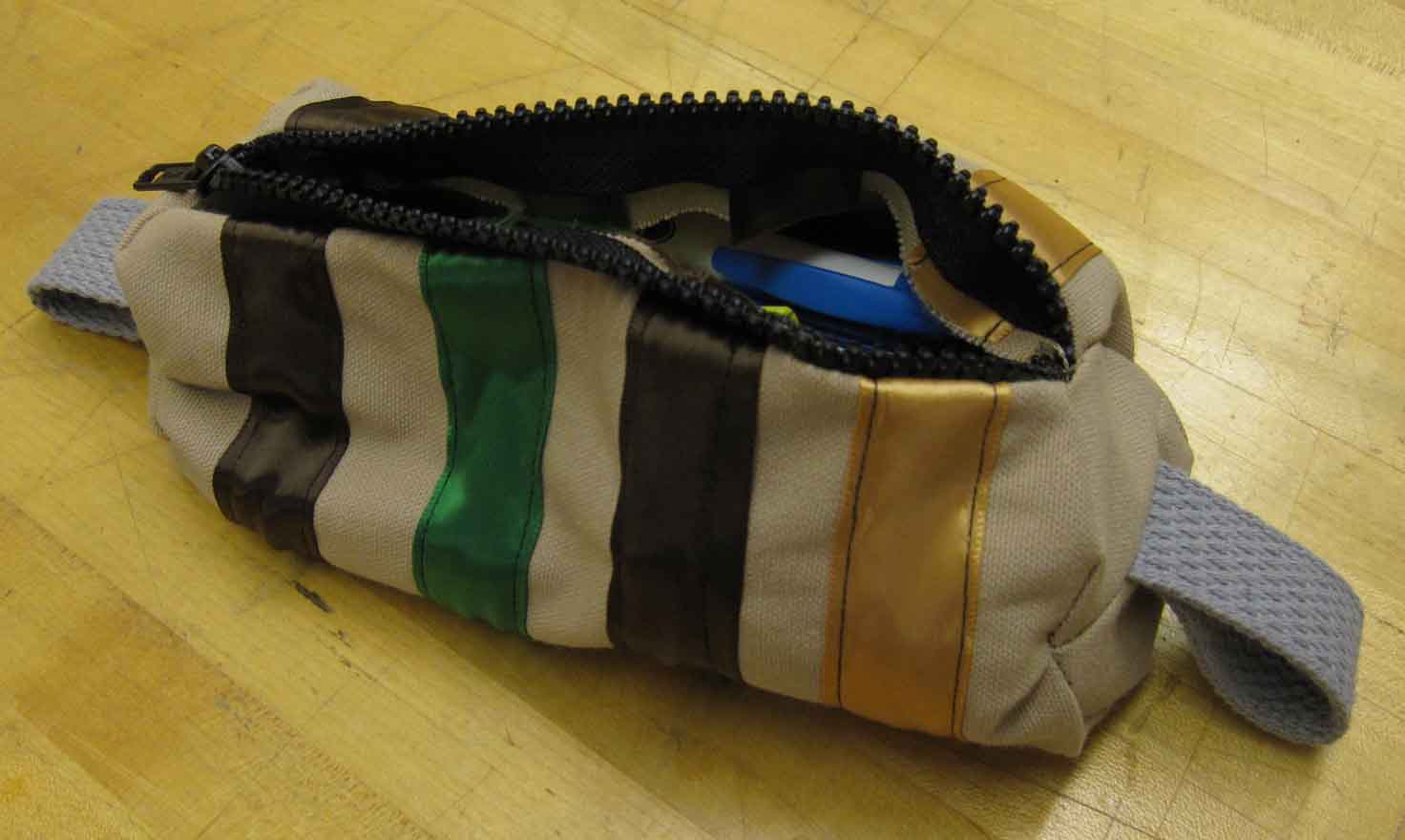
The problem with the above bag is that it does not immediately look like a resistor. So, for the second bag, I decided to make it very tubular (less rectangular than above) and to make the stripes go all the way around. I also made the webbing 'wires' on either end longer. While the bag looked more resistor-like, the shape was not as user friendly for inserting pencils because the zipper stopped at the top surface instead of continuing along down the ends, making the opening less large. Also, the MIT logo was nowhere on the item to make it MIT specific.
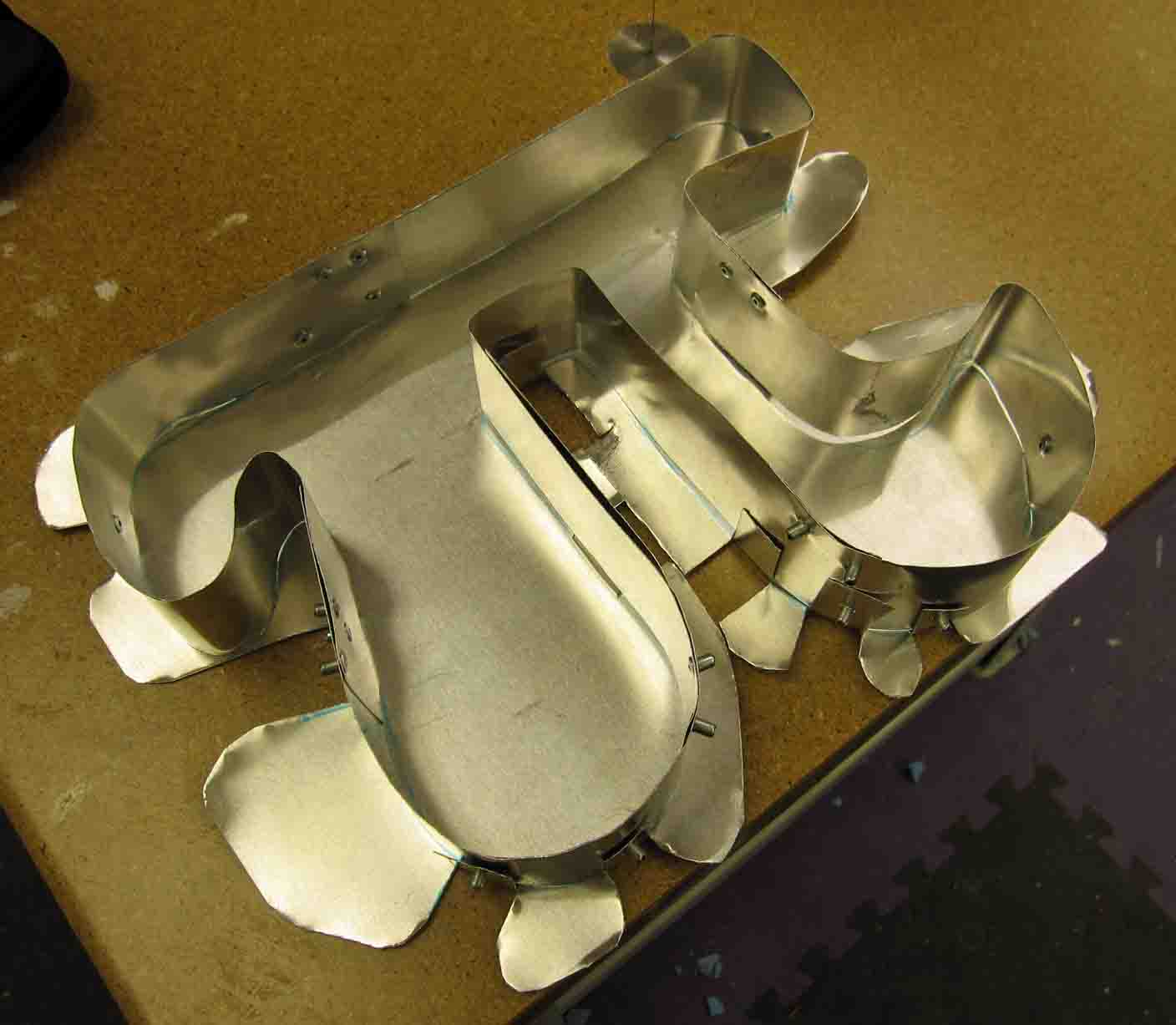
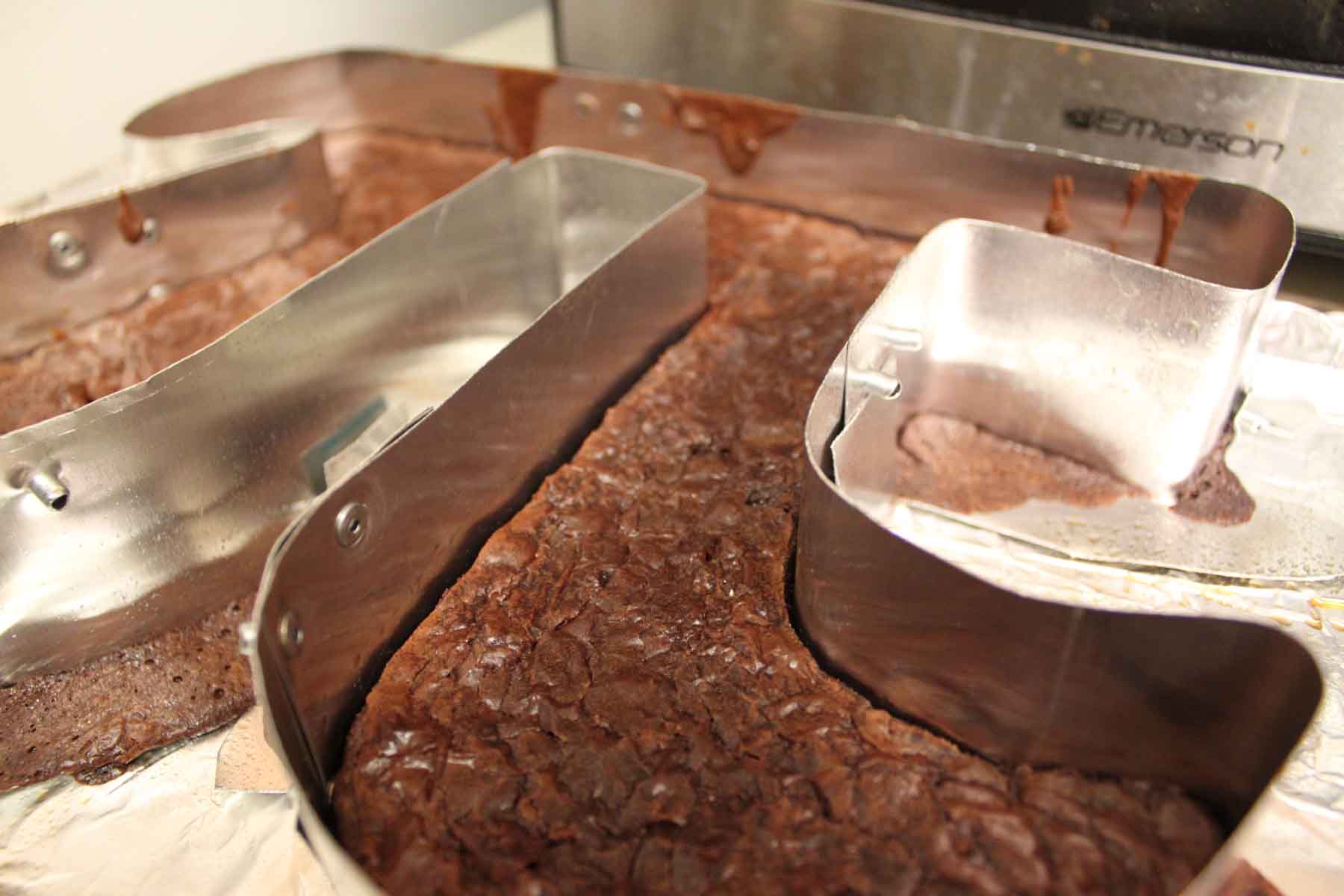
Pi Pan: Works-Like/Bakes-Like ModelFor the Pi Pan model, we initially tried to make the pan out of regular aluminum foil. Daniel cut out a model in foam and we tried to wrap it in aluminum foil, but this was quite difficult and the pan was quite flexible so we could not tell if the brownie would break upon removal or not. Thus, I made the below Pi shaped pan out of aluminum sheathing. Two inch strips were bent around the foam model and riveted together. Then, the bottom piece was riveted to the side piece via little tabs coming up from the bottom piece.
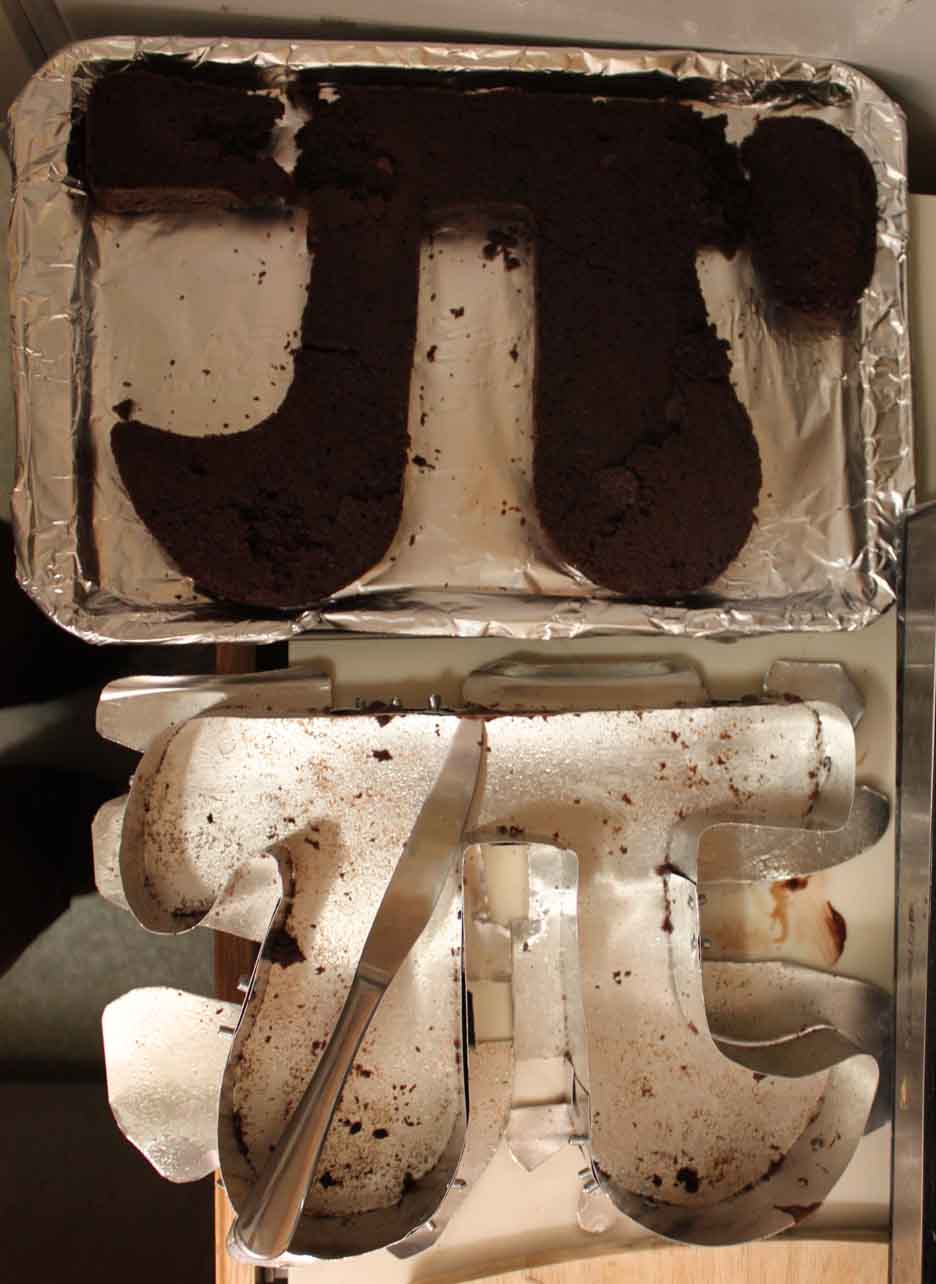
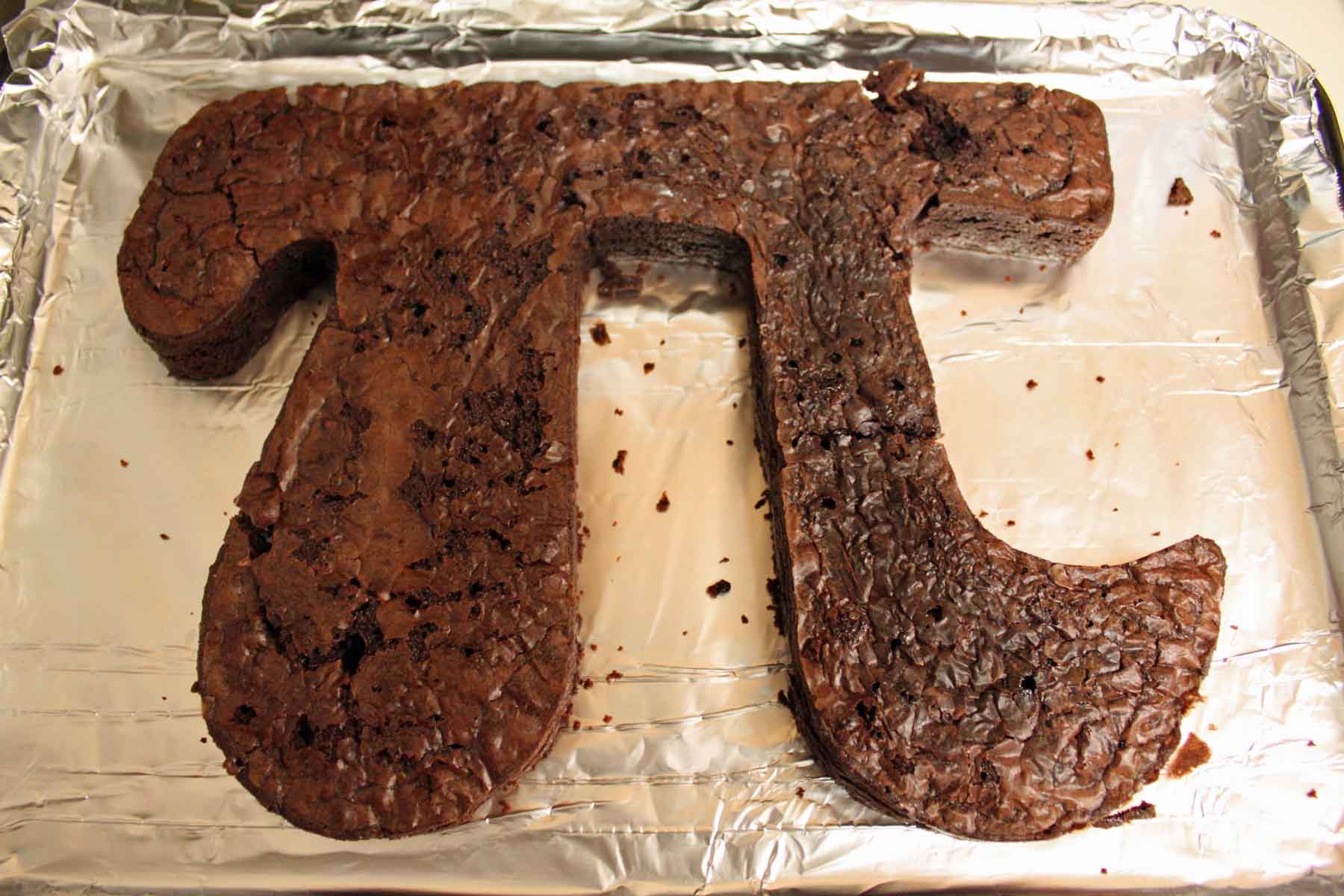
The pan was tested on three different occasions and each time the brownie broke in two places upon removal. This could have been for several reasons. First, it could have been because I did not grease the pan enough, but this is likely not the cause considering the amount of non-stick spray was used. Second, the distance between the top of the brownie and the top lip of the pan was a good 1.5 inches. This means that the brownie had to fall 1.5 inches when it was flipped over. Any parts that were not stuck to the pan at all would immediately fall this distance and break quite rapidly because of the severe distance between the bottom pieces already fallen and top pieces still attached to the pan). If this distance was smaller, it is likely that the brownie could have been removed in one piece. Third, this pan had no flexibility. Daniel's aluminum foil pan easily kept the brownie in tack. In the future, we would likely move to a more flexible final pan material such as silicon to facilitate clean brownie removal.
|