|
Downloads
|
Staff
 |
Theodore
Postol, professor, is professor of science,
technology and national security policy at MIT. He has
a Ph.D. in nuclear engineering from MIT and has worked as a
research physicist at Argonne National Laboratory. Prior
to coming to MIT in 1989, he worked as an analyst at the Congressional
Office of Technology Assessment and as a science and policy
advisor to the Chief of Naval Operations. He has received
the American Physical Society’s Leo Szilard Award for “incisive
technical analysis of national security issues that have
been vital for informing
the public policy debate” and the Hilliard Roderick
Prize in Science, Arms Control, and International Security
from the American Association for the Advancement of Science
for “outstanding contributions that advance our understanding
of issues related to arms control and international security.” In
2001 he received the Norbert Wiener Prize from Computer Professionals
for Social Responsibility for uncovering numerous and important
false claims about missile defenses and in 2005 was awarded
the Whistleblower Award by the Federation of German Scientists
and the German Section of the International Association of
Lawyers Against Nuclear Arms. His current research includes
work on ballistic missile defense technologies, fraud in the
U.S. missile defense program, and reducing nuclear dangers
in South Asia as well as those due to the deteriorating Russian
nuclear infrastructure. |
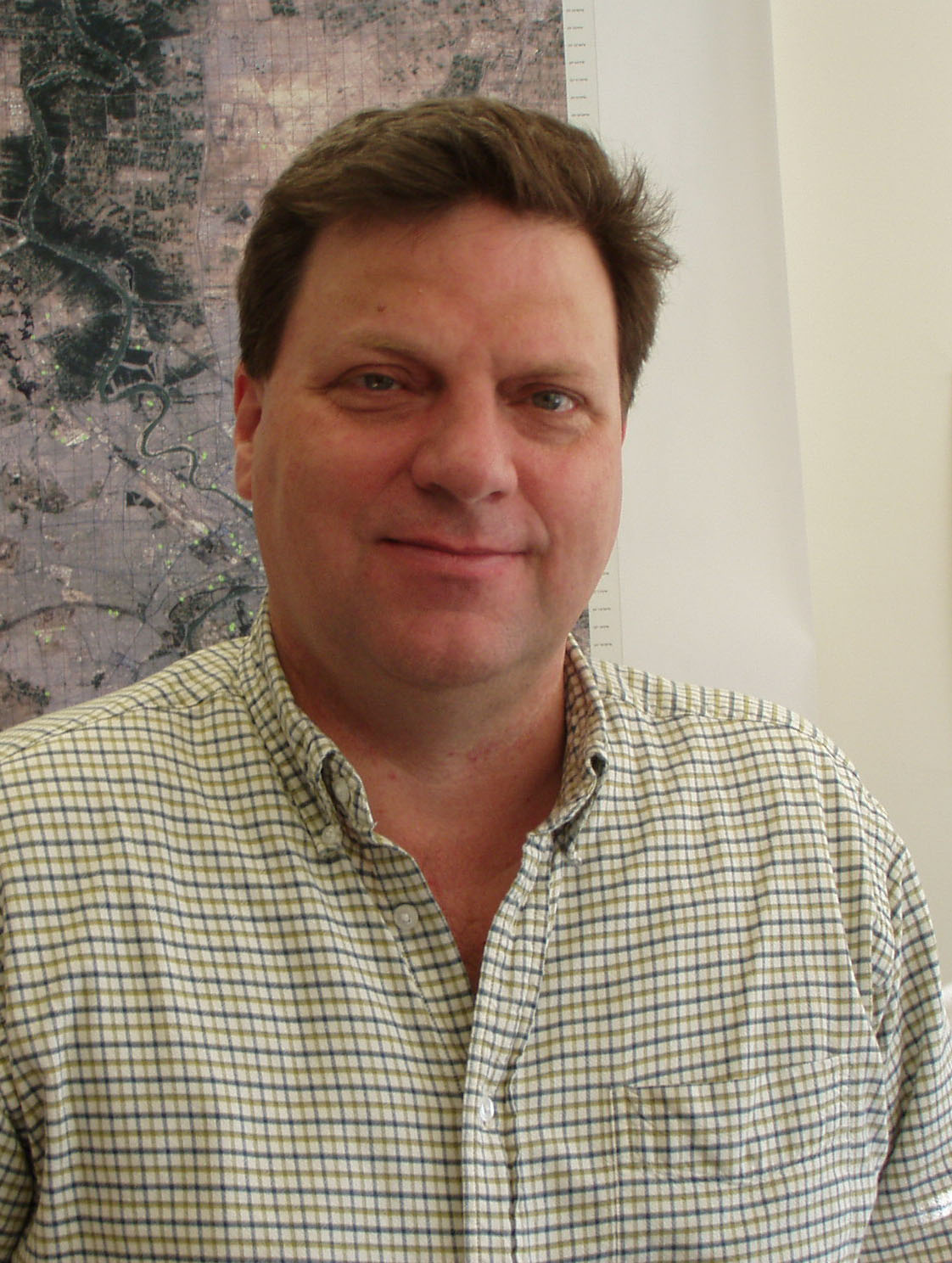 |
Geoffrey
Forden, research associate, Dr. Forden has
been at MIT since 2000 where his research includes the analysis of
Russian and Chinese space systems as well as trying to understand how
proliferators acquire the know-how and industrial infrastructure to
produce weapons of mass destruction. In 2002-2003, Dr. Forden
spent a year on leave from MIT serving as the first Chief of Multidiscipline
Analysis Section for UNMOVIC, the UN agency responsible for verifying
and monitoring the dismantlement of Iraq's weapons of mass destruction.
Previous to coming to MIT, he was a strategic weapons analyst in the
National Security Division of the Congressional Budget Office after
having worked at a number of international particle accelerator centers. |
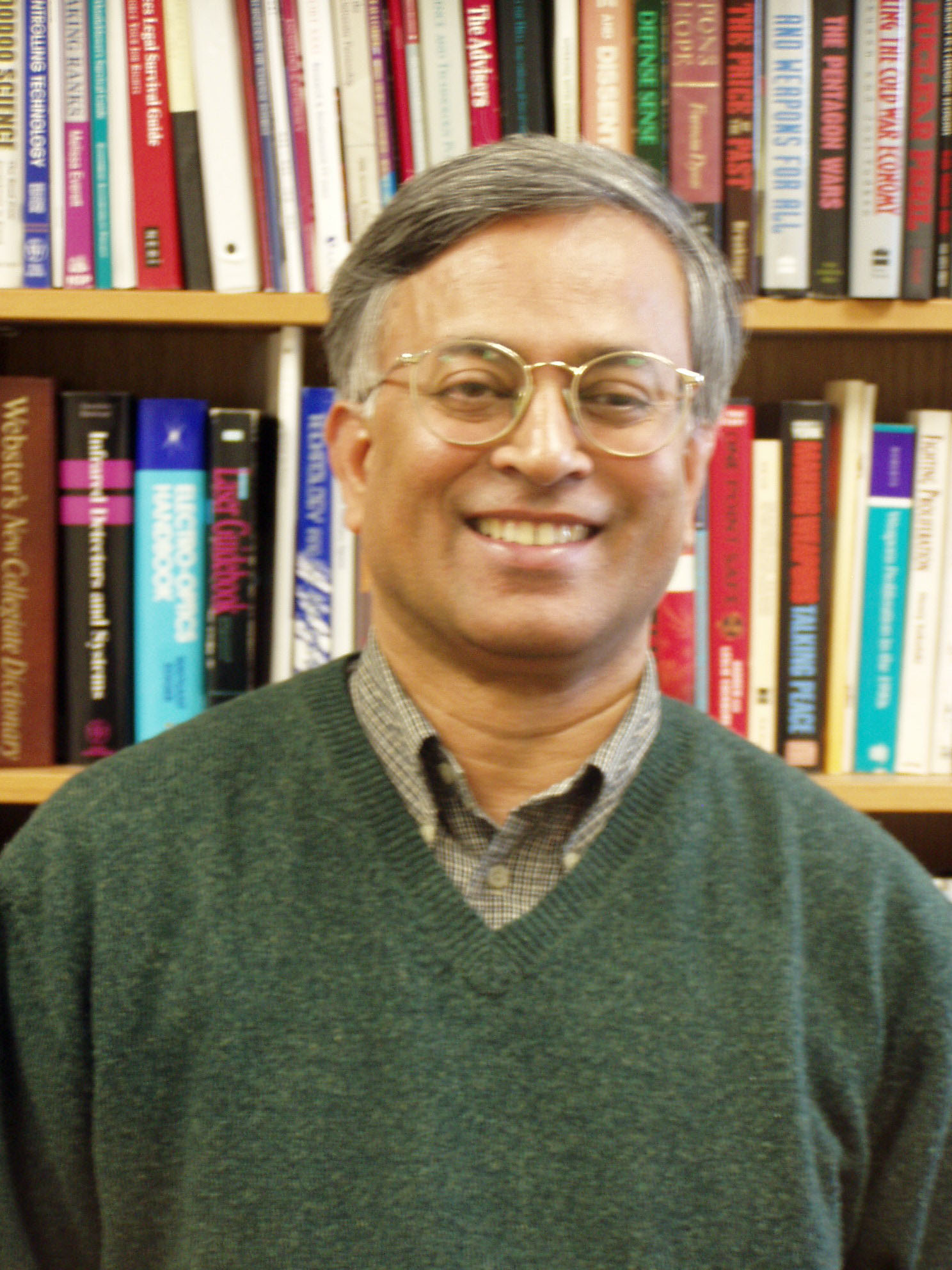 |
Subrata
Ghoshroy, research associate, joined the MIT
group in 2005. He is leading the Promoting Nuclear Stability
in South Asia Project. In addition to directing the project,
he will also be focusing on the impact of missile defenses
and space weaponization on global security – where there
is much common ground between India and Pakistan. Before joining
MIT, Mr. Ghoshroy was a Senior Fellow at the Belfer Center
for Science and International Affairs. He has also been a Senior
Defense Analyst at the Government Accountability Office for
a number of years. Subrata also served as a Congressional Fellow
under the AAAS program. Later, he served as a staff member
of the House International Relations Committee and the House
Armed Services Committee where he worked on issues of non-proliferation,
arms control, South Asian security, ballistic missile defense,
the Comprehensive Test Ban Treaty, nuclear weapons stockpile
stewardship, laser weapons, chemical weapons demilitarization,
and landmines. He was also responsible for monitoring
and evaluating budget and policy matters related to Military
Research and Development (RDT&E) using his expertise to
carry out comprehensive evaluations of complex weapons systems
that incorporate state-of-the-art technology. Prior
to his transition to the policy world, Subrata worked more
than 20 years as an engineer and an engineering-manager in
developing high-power and high-energy laser, electron beam,
and pulse power technologies and has a highly successful track
record in managing sophisticated, interdisciplinary teams to
develop advanced technology for DOD, DOE, and NASA. He
holds master's degrees in both electrical engineering and public
policy. |
 |
James
Goodby, research affiliate, was President Clinton’s
special Ambassador and Chief United States Negotiator for the
Safe and Secure Dismantlement of Nuclear Weapons. He
negotiated arrangements with Russia so that the process of
nuclear weapons dismantlement could be transparent and irreversible
and also worked with countries of the former Soviet Union to
enhance security and accounting for fissile material and nuclear
warheads. As head of the U.S. delegation to the Stockholm
Conference on Confidence-and Security-Building Measures and
Disarmament in Europe in 1984-85, he negotiated the framework
that laid the basis for later negotiations on conventional
force reductions in Europe. His awards include the Presidential
Distinguished Service Award, the State Department’s Superior
and Distinguished Honor Awards, and the Commander’s Cross
of the Order of Merit of Germany. He is a Distinguished
Fellow of the U.S. Institute of Peace, a winner of the Heinz
Award in Public Policy and was the Frank E. and Arthur W. Payne
Distinguished Lecturer at Stanford University. |
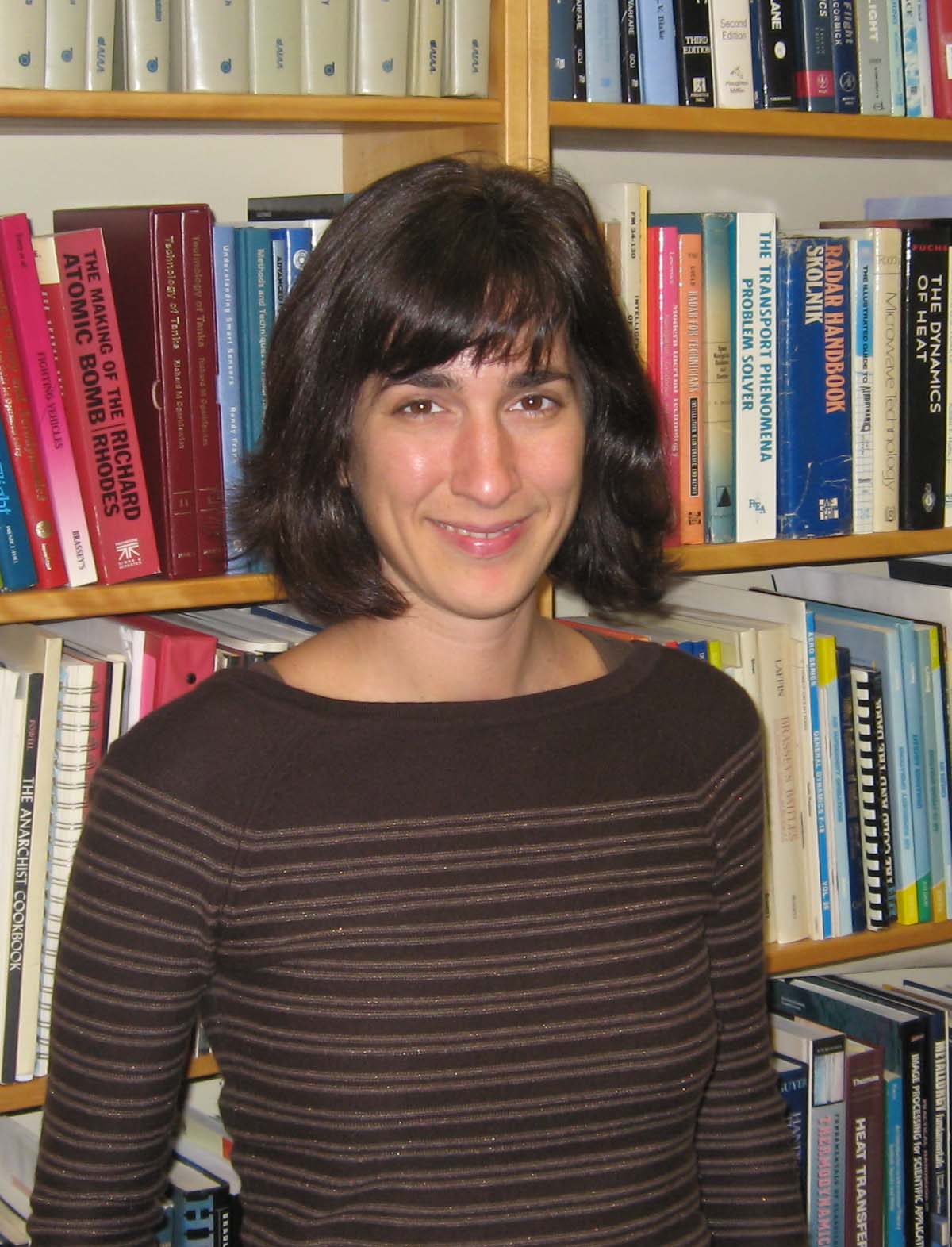 |
Danielle
Mancini, program associate, came
to MIT with a background in higher education administration
and international education. Prior to arriving at MIT, Ms.
Mancini was a senior program coordinator at Boston University's
International Students and Scholars Office. Prior to that,
she worked at the Harvard Business School. She took part in
study abroad programs in Puerto Rico, Costa Rica and Spain
while attending Central Connecticut State University and after
graduating with a degree in Spanish, moved to Costa Rica where
she taught English as a Foreign Language. Since relocating
to Boston, she has volunteered with the refugee resettlement
organization International Rescue Committee as an immigration
aid, Centro Presente as an ESL teacher, and the Cambridge Community
Learning Center as an adult literacy tutor. |
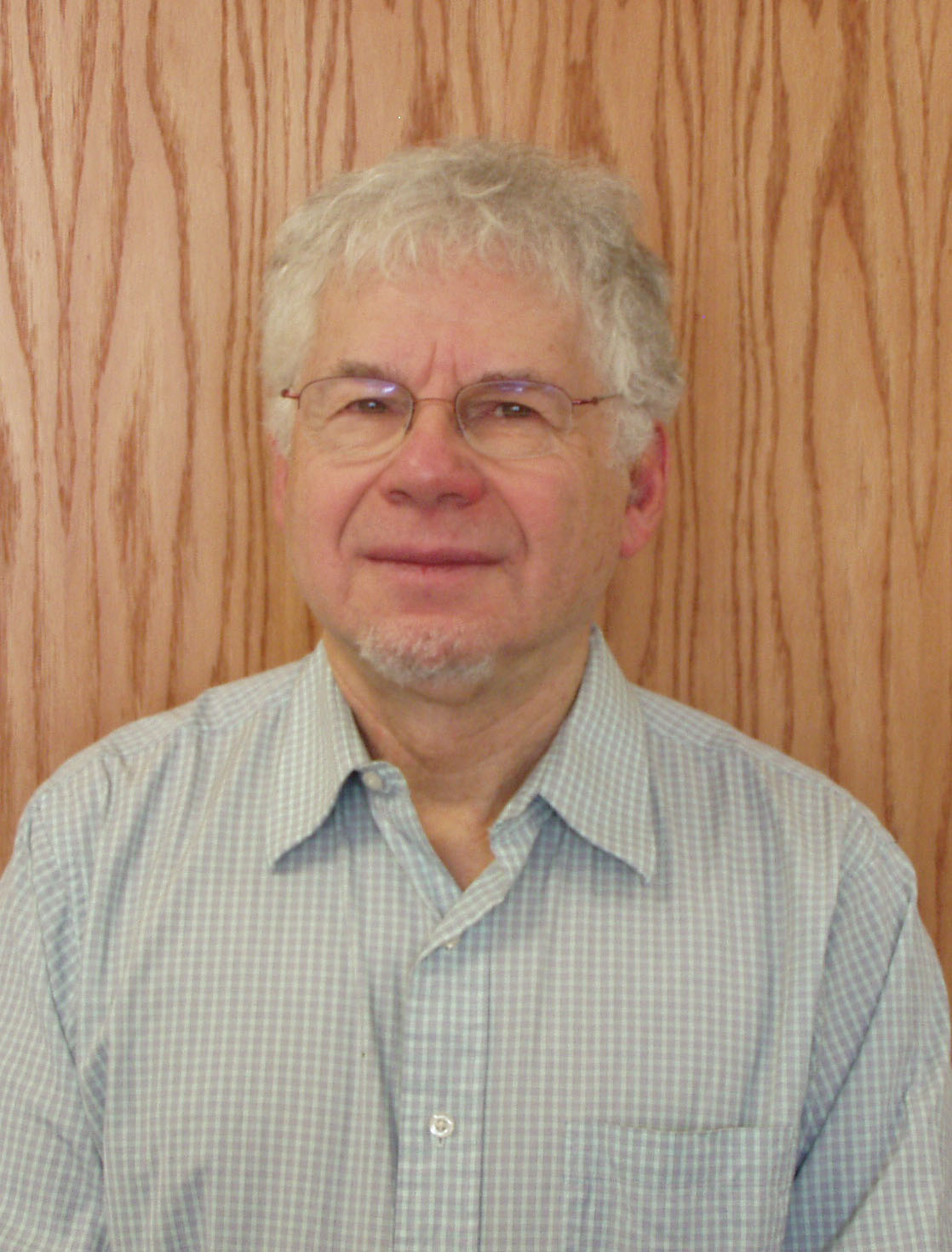 |
Marvin
Miller, research affiliate, received a Ph.D
in Applied Physics from the Polytechnic Institute of New York
in 1967, and was a tenured Associate Professor of Electrical
Engineering at Purdue University working on laser theory and
applications before joining the MIT Nuclear Engineering Department
(NED) in 1976. He retired from the position of Senior
Research Scientist in the NED in 1996, and became a Research
Affiliate both with NED and the Security Studies Program (SSP)
at the MIT Center for International Studies. He is now
a Research Affiliate with NED and the Science, Technology and
Society (STS) Program at MIT where he continues his work on
nuclear arms control and the linkage between nuclear power
and nuclear proliferation as a member of the Science and Technology
Working Group. During his affiliation with MIT, Dr. Miller
has been a consultant to the Oak Ridge, Los Alamos, and Argonne
National Laboratories, the U.S. Departments of State and Energy,
and the International Atomic Energy Agency, and is currently
still active as a consultant to the Nonproliferation Bureau
of the State Department. |
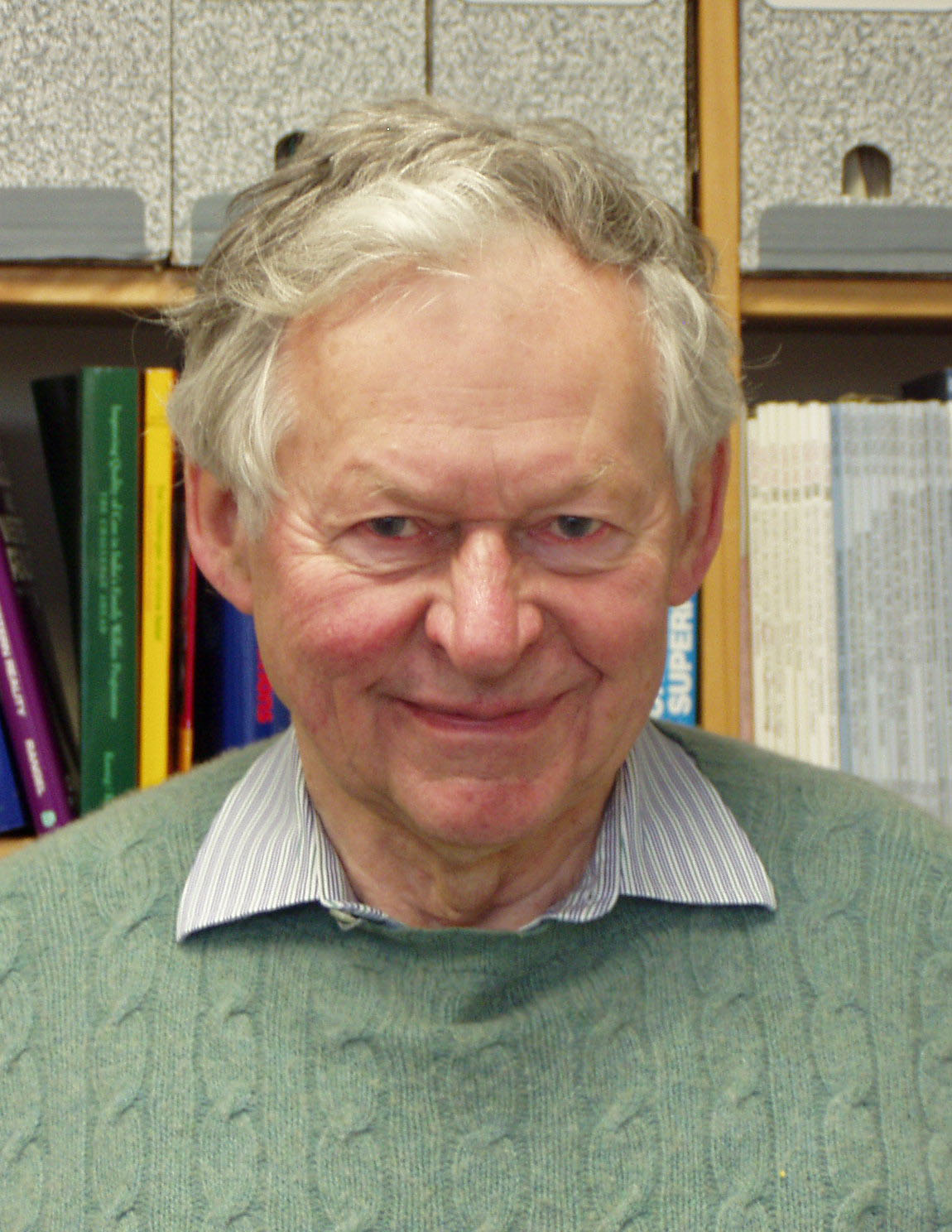 |
Sir
John Thomson, research affiliate, served as
the United Kingdom Ambassador to India and as the Permanent
Representative in the United Nations. He has also been
Head of Policy and Planning in the British Diplomatic Service,
and a Minister at NATO. Sir John Thomson joined the British
Foreign Service in 1950. During that career, he served
in Lebanon, Saudi Arabia, Syria, and London, becoming Private
Secretary to the Permanent Under-Secretary in the Foreign Office. Following
four years of politico-military work in Washington, he became
Head of Policy Planning in the Foreign Office, Chief of the
Assessments Staff in the Cabinet Office, Minister at NATO and
Under-Secretary for defense and disarmament in the Foreign
Office. While at NATO he also led the British delegation
to the MBFR negotiations in Vienna. He retired on his
60th birthday in 1987. Subsequently,
he led a CSCE mission to Bosnia (1992) and participated in
another to Albania (1994). |
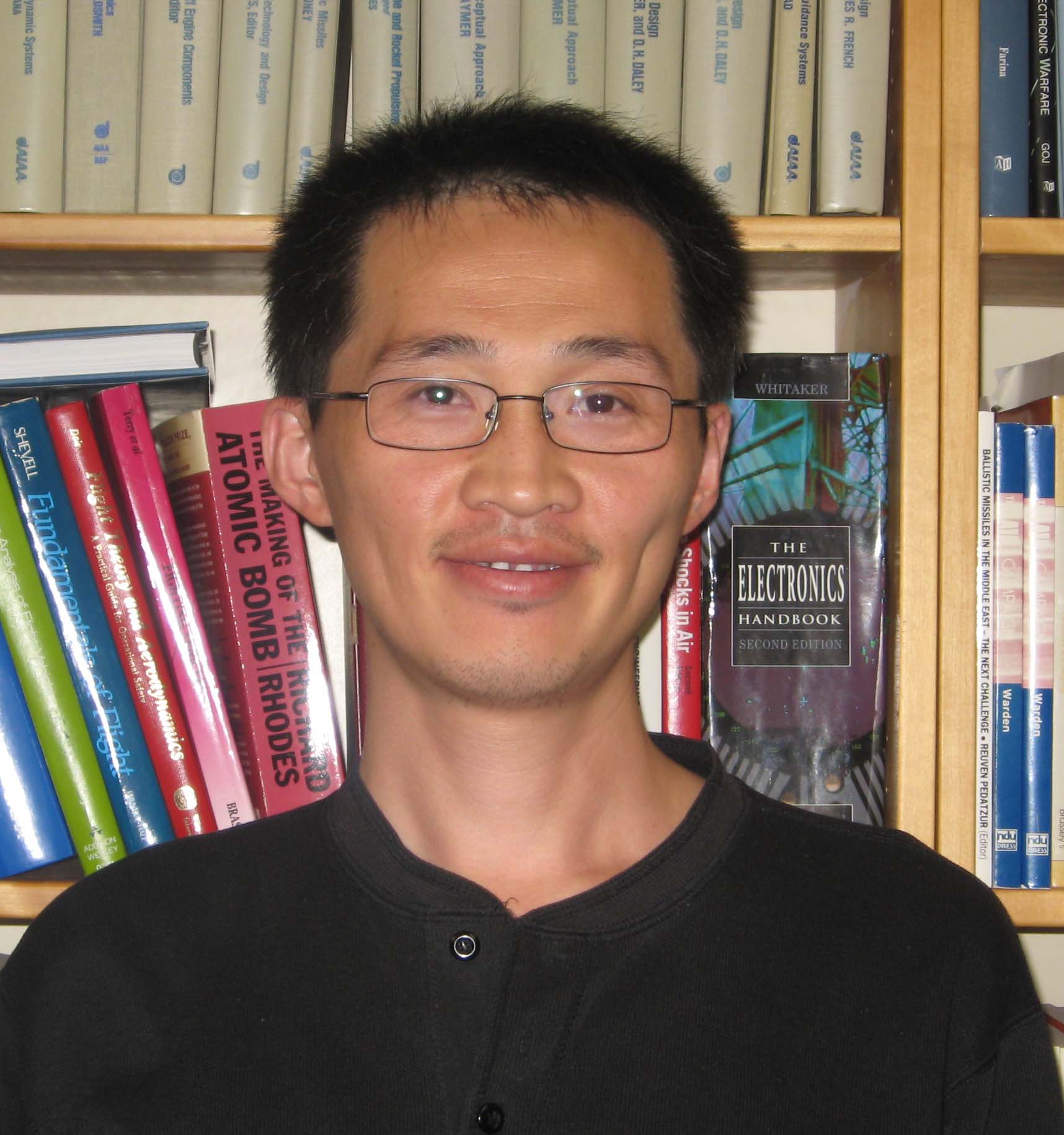 |
Wu
Riqiang,
visiting student, is a Ph.D. student in the
Department of International Relations at Tsinghua University,
China. After receiving his master’s degree in general
dynamics from Harbin Institute of Technology in 2000, he worked
for six years at the China Aerospace Science and Industry Corporation
as a missile engineer. From 2006-2008, he was a visiting fellow
at Tsinghua University’s Arms Control Program. His current
research includes work on the American ballistic missile defense
system and its implications for Chinese and Russian security, space
security and disarmament. |
|

 Massachusetts
Institute of Technology • Science, Technology and Global Security
Working Group
Massachusetts
Institute of Technology • Science, Technology and Global Security
Working Group