

Combining the intial sketches and what we learned, a flip-top case was chosen to be the concealed device for the clue scanner. Dimensions of an actual flip-top case was used and adhere to as closely as possible.
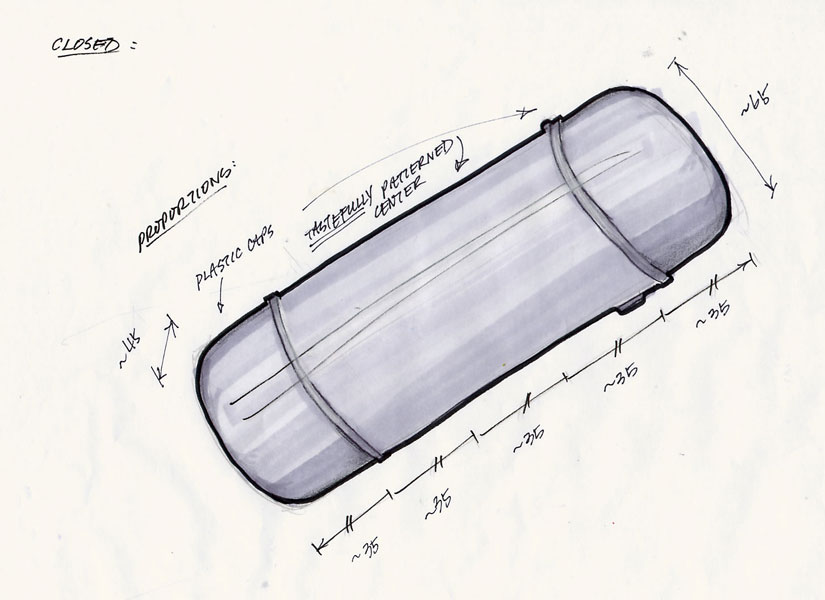
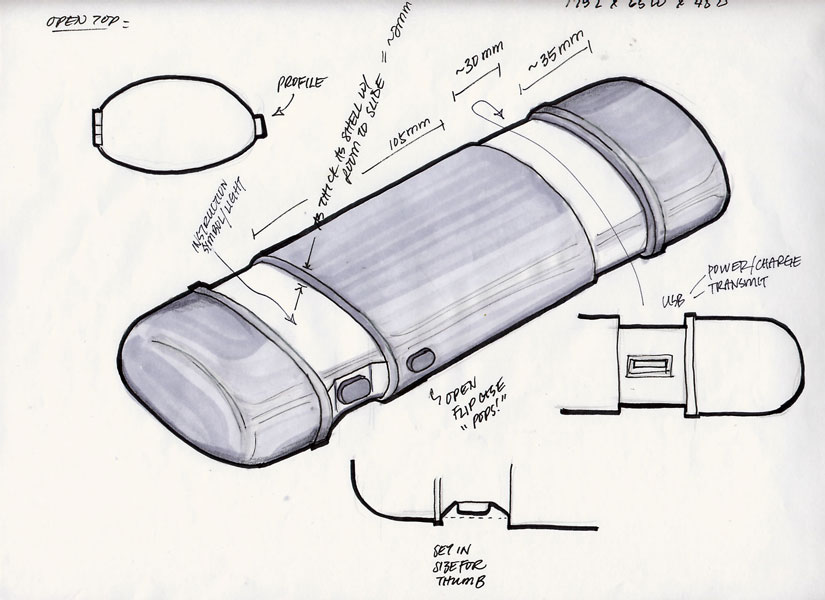
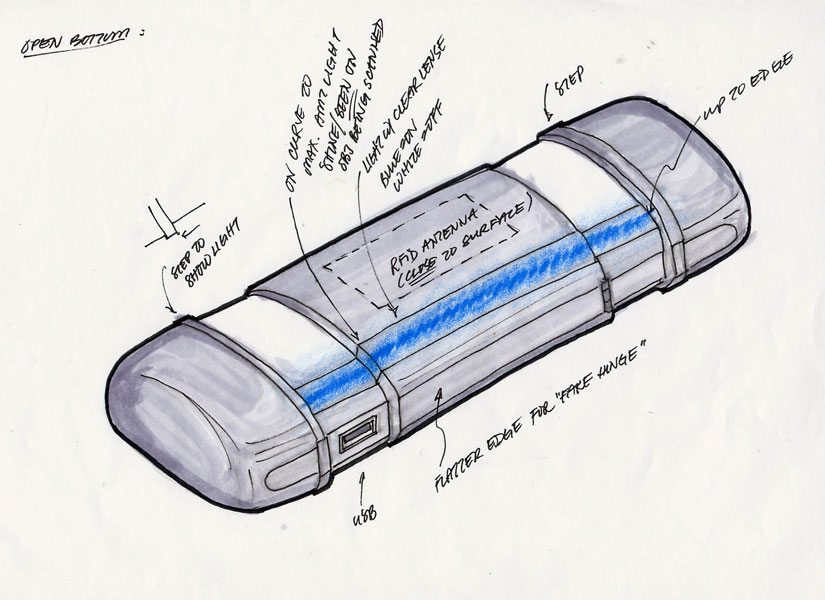

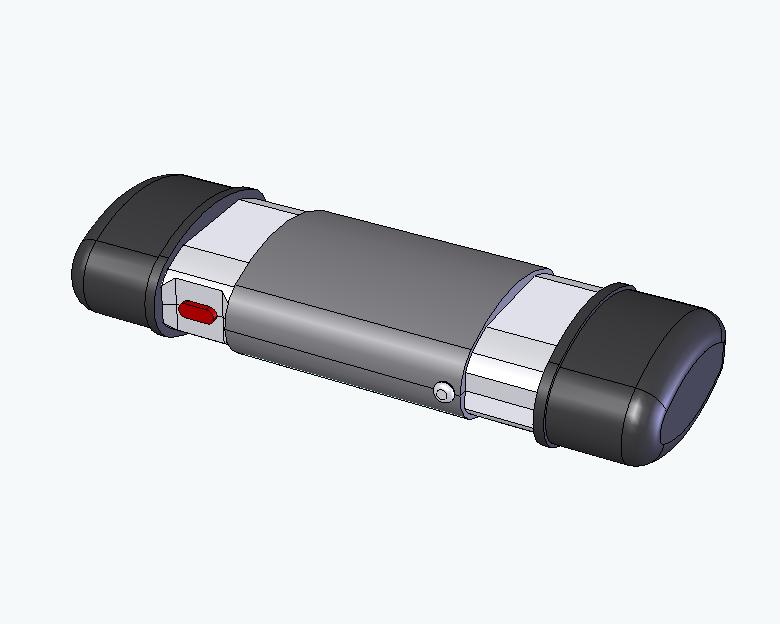
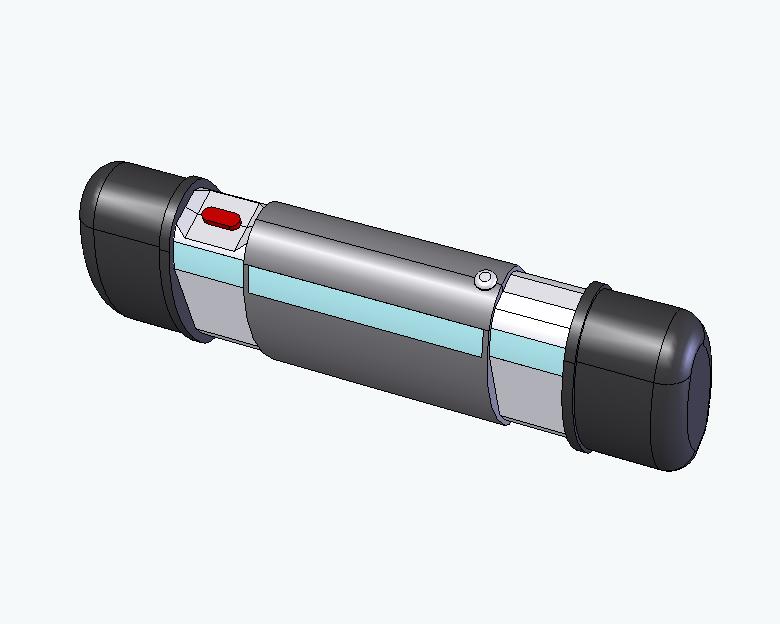
The scan button was to be located on the front left of the scanner as determined by how the users held the devices to scan during our user tests. Logically, the button to open the flip-top case would also be located near the scan button, since the user's thumb would already be near the button. We are currently having trouble fitting the two buttons near each other but will work on putting them right next two each other as drawn in the top middle sketch for final implementation.
When the user tries to open the glasses case like a regular flip-top case, the two ends pop out to reveal the scanner. Illuminated symbols instructing the user how to use it and also give feedback about the state of the device lights up on the two surfaces the end caps once covered. There is only ONE other button to push (besides the one that opened the case) and after seeing the symbols the user will know that the device is a clue scanner and the button is the scan button.
Holding down the button, the user "scans" the clue. A beam of light turns on and can be seen on the surface of the clue. When they are done scanning, they release the button and the lighted symbols on the device give feedback on whether the scan was successful or not. If successful, the user moves onto the next clue to be scanned.
Lighting:
EL Lights were chosen to be the light that simulated scanning on the clue scanner. They were chosed because they were thin, compact, and easy to blend into the glasses case as if they were a design on the case. The EL lights are solid white when not in use and glow a light blue when on.
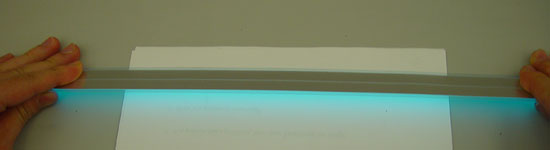
The The smaller the RFID reader the closer the device needed to be to the tag. Placing the EL lights directly under the glasses case covered most of the light that was shined. It was only at an angle could the lights be seen, giving the illustion of scanning. Thus it was determined that the lights should go at the "corner" of the device.