Background
Vehicle
Size and Composition
Suspension
Wheels
Steering/Brakes
Power
Modular Trailer System
|
The first step in determining the wheel design was deciding on a clearance height. We chose .4m as the most practical due to the limiting factors of wheel size and torque needed to drive the vehicle. Originally a higher clearance was wanted to allow the vehicle to travel over more of the rocks scattered over the surface, however the .4m will allow reasonable clearance while relying on the availability of direct human control to avoid obstacles hazardous for the vehicle.
|
||||||||
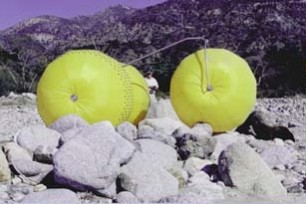
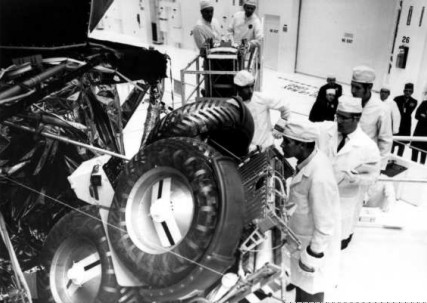
| With the clearance decided, the actual wheels were the next priority. We decided on using an extension of the inflatable technology that is currently being developed at JPL. Though not finalized in design, inflatable wheels were chosen because of their portable nature, the ease with which they can be changed (seal the replacement wheel onto the axle and inflate), and their potential to be both lightweight and durable. More research into the materials and precise shape of these wheels will be developed as the rest of the mission progresses over the next decade. Inflation will be provided by a solid to gas reaction similar to what is found in modern-day automobile air bags. Such pellets are more easily transported and more reliable than pre-pressurized gas canister or a mechanical pump. If the inflatable wheel technology has not progressed to a sufficiently advanced and reliable stage in time for the mission, then traditional tread-enhanced hollow metal wheels will be used. | ||||||||
|