
Recent News

Zoe Fisher: Developing materials for stellar performance in fusion power plants
NSE doctoral student Zoe Fisher is researching how defects can alter the fundamental properties of ceramics upon radiation.
|
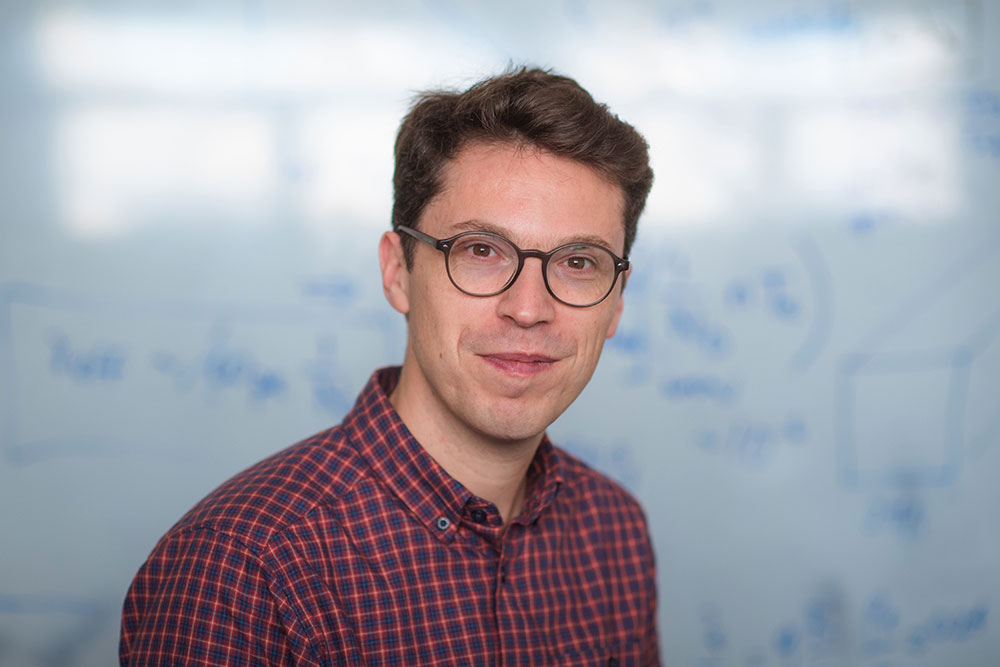
Nuno Loureiro receives Presidential Early Career AwardLoureiro was nominated by the NSF for his work on the generation and amplification of magnetic fields in the universe. He is among 400 scientists and engineers recognized for outstanding leadership potential. |
|
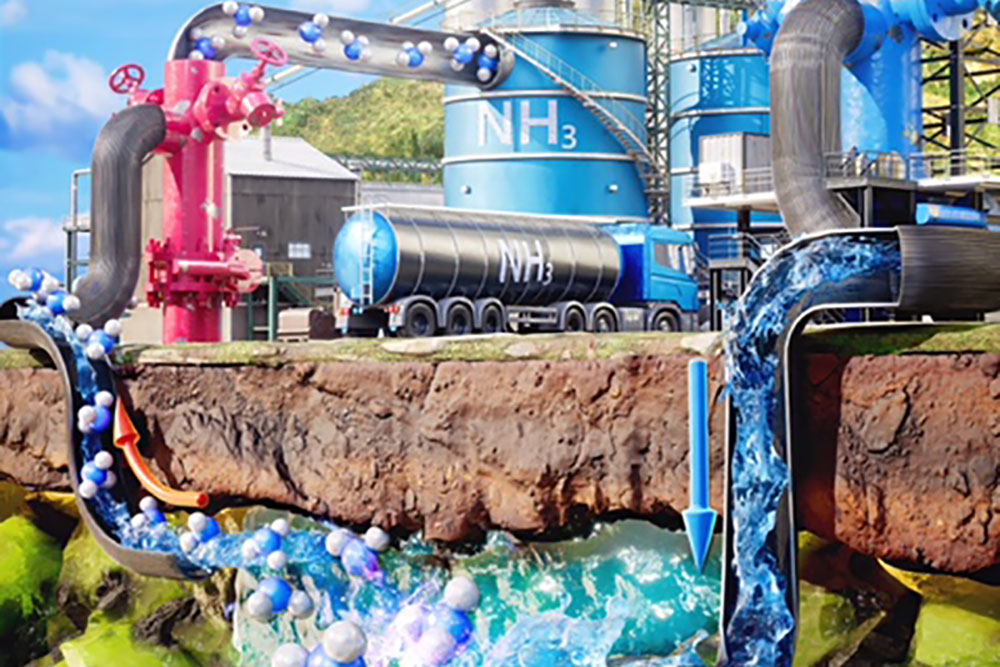
For clean ammonia, MIT engineers propose going undergroundMIT engineers developed a way to make clean ammonia, without fossil-fuel-powered chemical plants, using the Earth as a geochemical reactor, producing ammonia underground. |
|
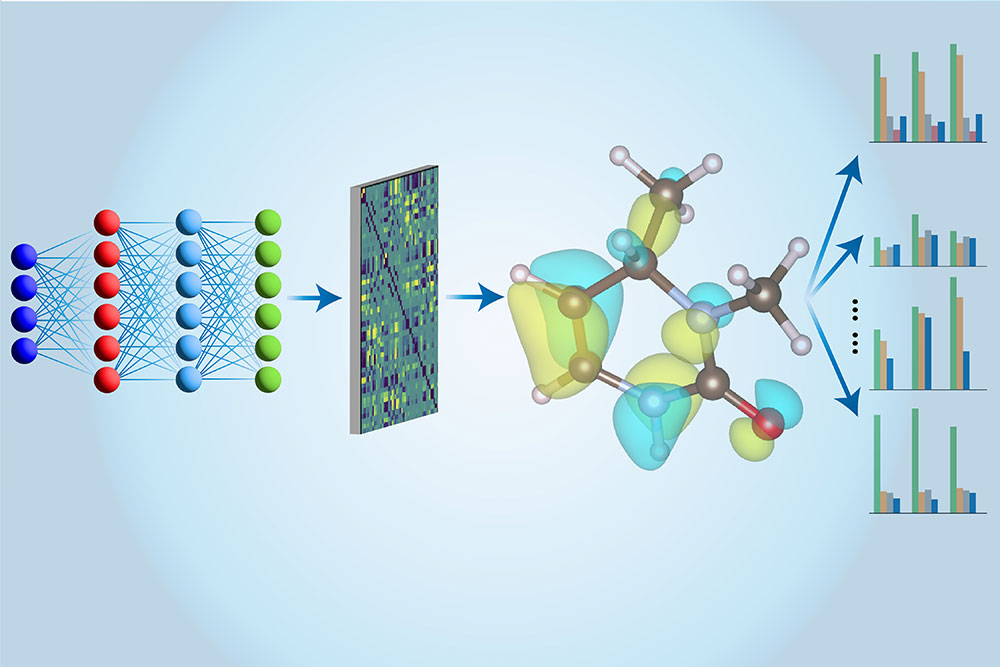
New computational chemistry techniques accelerate the prediction of molecules and materialsWith their recently-developed neural network architecture, MIT researchers can wring more information out of electronic structure calculations. |

|
SPOTLIGHT: Unlocking the hidden power of boiling — for energy, space, and beyondAssociate Professor Matteo Bucci’s research sheds new light on an ancient process, to improve the efficiency of heat transfer in many industrial systems. |

|
MIT spinout Commonwealth Fusion Systems unveils plans for the world’s first fusion power plantThe company has announced that it will build the first grid-scale fusion power plant in Chesterfield County, Virginia. The concept for a fusion power plant evolvved out of a design class taught by NSE’s Prof Dennis Whyte in 2012. Whyte challenged the graduate students to design a fusion device that would use a new kind of superconducting magnet to confine the plasma used in the reaction. |

|
SPOTLIGHT: Transforming fusion from a scientific curiosity into a powerful clean energy sourceDriven to solve hard problems, Associate Professor Zachary Hartwig is advancing a new approach to commercial fusion energy. |
|
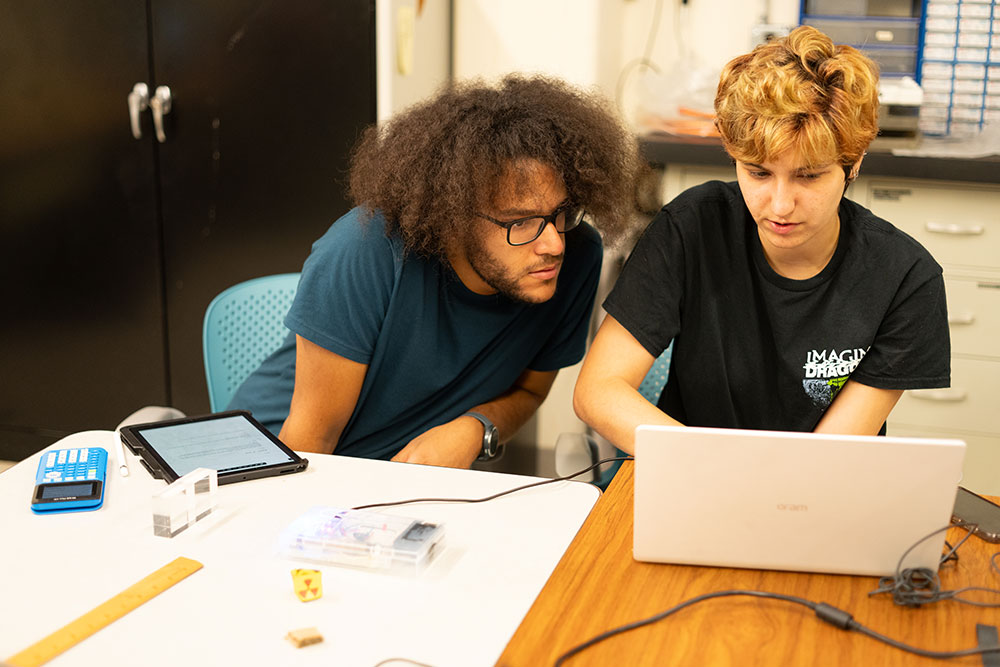
A redo of a classic lab-intensive course explores fun new ways of conducting researchMIT NSE is collaborating with the SHED on a key experiment for the NSE prerequisite, Principles of Nuclear Radiation Measurement and Protection |

|
SPOTLIGHT: Researching high-fidelity methods to make small modular reactors more cost-effectiveHer native South Korea is among the world’s leading nations in nuclear energy. Third-year doctoral student, Youyeon Choi, is leaning on her work experience in Seoul, and her love of multi-physics modeling to pursue doctoral research at MIT NSE. |

|
Decarbonizing heavy industry with thermal batteriesMIT spinout Electrified Thermal Solutions, co-founded by NSE alum Dan Stack, has developed an electrically conductive firebrick that stores heat at high enough temperatures to power industrial processes. |

|
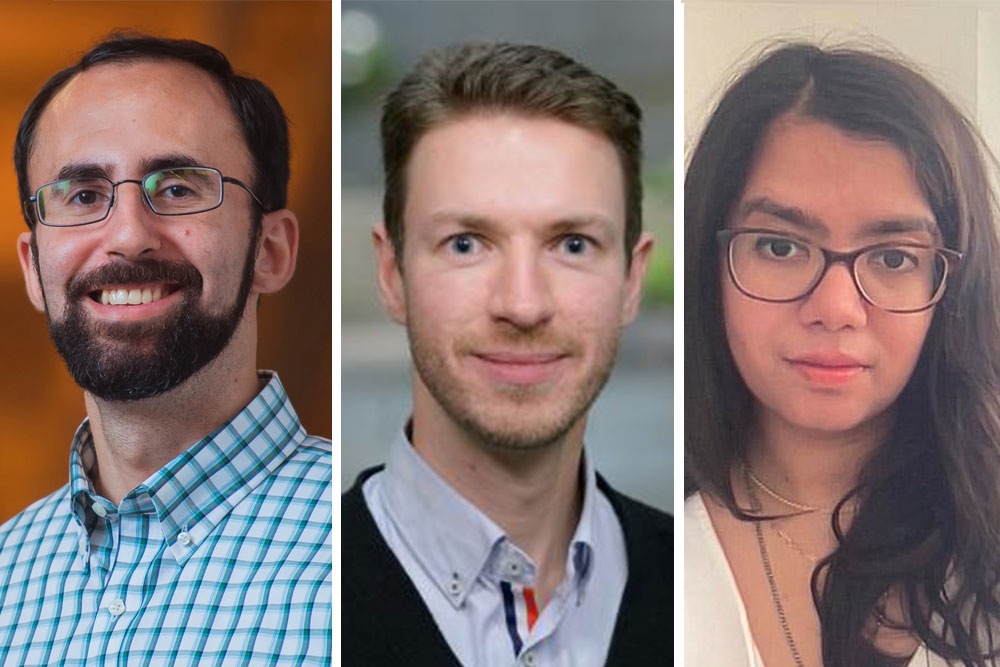
Yu-Jou Wang wins Young Professional Thermal Hydraulics Research CompetitionMIT postdoctoral candidate Yu-Jou Wang won the Young Professional Thermal-Hydraulic Research Competition at the 2024 American Nuclear Society Winter Meeting for her paper, “A Dynamic Turbulence Tracking Approach for Uncertainty Quantification of URANS CFD Models”, co-authored with MIT’s Professor Emilio Baglietto |
|
Three from NSE named to Nuclear News 40 under 40 list for 2024Nuclear News launched its 40 Under 40 to celebrate the talented young professionals who are making great strides in every sector of the industry. Included in the inaugural list are Professor Koroush Shirvan, and NSE alums Aditi Verma PhD ’18 and Paul Romano PhD ’13. |
|
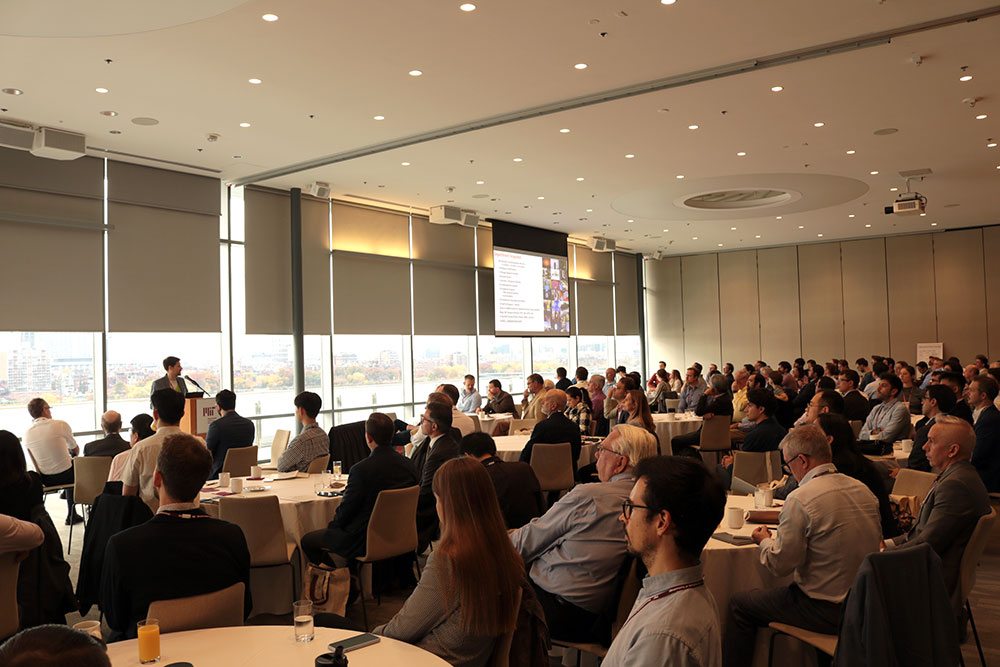
3 Questions: Can a nuclear energy challenge stall decarbonization goals?Professor Jacopo Buongiorno discusses why supply chain issues related to nuclear fuel is one of the industry’s most pressing problems and how an MIT event addressed potential solutions. |

|
3 Questions: Koroush Shirvan on updated costs for the AP1000 nuclear reactor and the role it will likely play in a decarbonized economyShirvan urges action to construct more AP1000 nuclear reactors as a way of maturing the technology, since it will likely be one of the most vital carbon-free energy resources |

|
Nanoscale transistors could enable more efficient electronicsProf Ju Li along with a research team at MIT has developed a new kind of nanoscale transistor using ultrathin semiconductor materials which operate more efficiently than silicon-based devices |

|
Areg Danagoulian elected 2024 American Physical Society FellowNominated by the American Physical Society Forum on Physics and Society (FPS), Danagoulian was cited, “for seminal technological contributions in the field of arms control and cargo security, which significantly benefit international security.” |

|
SPOTLIGHT: Smart handling of neutrons is crucial to fusion power successEthan Peterson is addressing some of the practical, overlooked issues that need to be worked out for viable fusion power plants. |

|
Study: Fusion energy could play a major role in the global response to climate changeExperts in energy systems modeling and fusion technology explore the future role of fusion at various costs and carbon constraints. |

|
Bridging anthropology and engineering for clean energy in MongoliaProf Mike Short launched Anthro-Engineering with Prof Manduhai Buyandelger in 2021. The program provides students the opportunity for deep engagement, relationship building, and personal understanding needed to find real solutions for real people. |

|
Remembering NSE alum, John KellyJohn Kelly PhD ’80 passed away at the age of 70 on October 3, 2024. His groundbreaking career spanned over forty years. His tenure at Sandia National Laboratories in Albuquerque NM, where he focused on safety and severe accident analysis was followed by service as the Deputy Assistant Secretary for the Nuclear Reactor Technologies at the U.S. Department of Energy. Kelly played a critical role in shaping nuclear policy and guiding the world through significant events, including the Fukushima Daiichi disaster in Japan. His leadership and expertise were vital to shaping a safer, more advanced nuclear future for the global community. |

|
SPOTLIGHT: Applying risk and reliability analysis Across industriesAfter an illustrious career at Idaho National Laboratory spanning three decades, Curtis Smith is looking forward to sharing his expertise in risk analysis and management with future generations of engineers. |

|
Jack Hare, Mike Short receive School of Engineering awardsProf Jack Hare received the 2024 Ruth and Joel Spira Award for Excellence in Teaching and Prof Mike Short received the Capers (1976) and Marion McDonald Award for Excellence in Mentoring and Advising. |

|
SPOTLIGHT: Aligning economic and regulatory frameworks for today’s nuclear reactor technologyToday’s regulations for nuclear reactors may have been well designed for existing technologies but are unprepared for how the field has evolved and what might come down the pike. Through systems modeling and by studying environmental transport of radionuclide inventory, Liam Hines NSE doctoral student wants to ensure that policy keeps up with the technology. |

|
Study of disordered rock salts leads to battery breakthroughResearch by NSE’s Ju Li, Yimeng Huang, and collaborators describes a new family of integrated rock salt-polyanion cathodes opens door to low-cost, high-energy storage. |

|
3Q: From the bench to the battlefieldNSE rising senior and Army ROTC cadet Alexander Edwards discusses a new UROP fellowship with the Institute for Soldier Nanotechnologies. |

|
More durable metals for fusion power plantsNSE’s Prof Ju Li and a team of MIT engineers have demonstrated that adding nanoparticles of certain ceramics to the metals can protect them from damage and significantly extend their lifetime under extreme conditions |

|
A new approach to fine-tuning quantum materialsAn MIT-led group shows how to achieve precise control over the properties of Weyl semimetals and other exotic substances. |
|
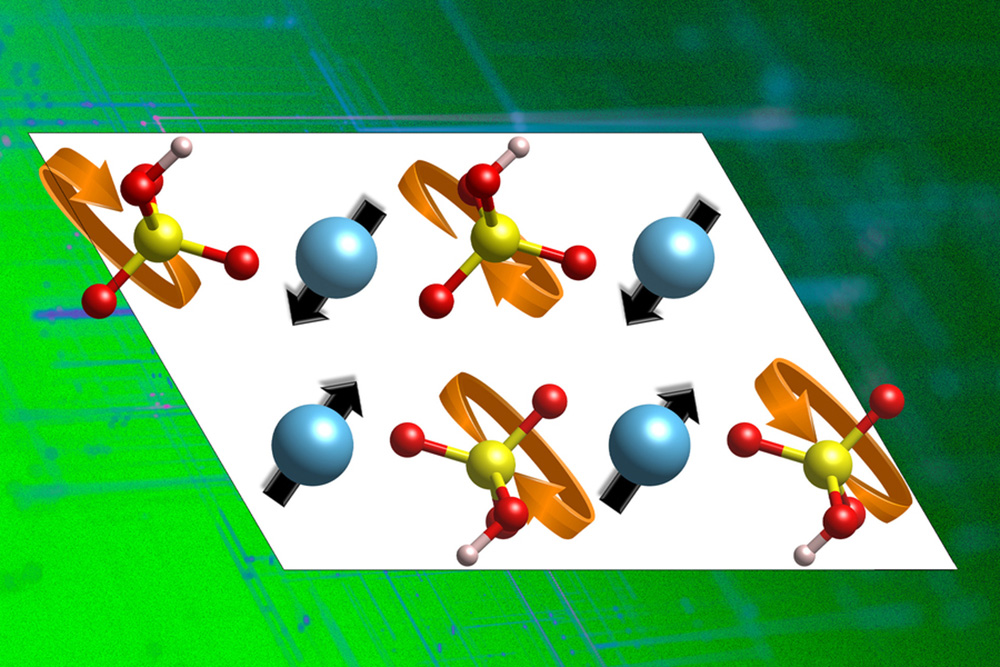
Proton-conducting materials could enable new green energy technologiesAnalysis and materials identified by NSE’s Bilge Yildiz and other MIT engineers could lead to more energy-efficient fuel cells, electrolyzers, batteries, or computing devices. |

|
AI method radically speeds predictions of materials’ thermal propertiesThe approach, developed by NSE’s Mingda Li and a team of researchers from MIT and elsewhere, could help engineers design more efficient energy-conversion systems and faster microelectronic devices, reducing waste heat. |

|
Richard K Lester honored with the 2024 Gordon Y. Billard AwardRichard K Lester, vice provost for international activities and Japan Steel Industry Professor of Nuclear Science and Engineering, School of Engineering, honored with the 2024 Gordon Y. Billard Award. The award is given to individuals who have had impact beyond normal job duties, and created important, lasting, and wide-ranging contributions to the MIT community. |

|
Bucci, Hartwig, Shirvan granted tenureMatteo Bucci, Zach Hartwig, and Koroush Shirvan are among twelve faculty members granted tenure in six units across MIT’s School of Engineering in 2024. |
|
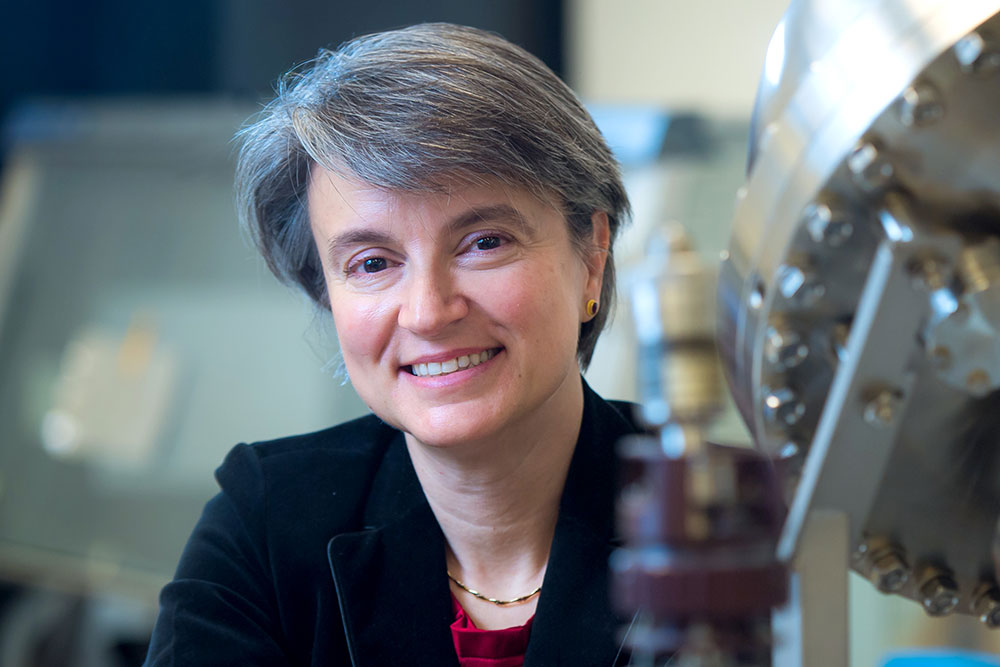
Bilge Yildiz wins 2024 Faraday MedalThe Faraday Medal is awarded annually by the Electrochemistry Group of the Royal Society of Chemistry “in recognition of outstanding original contributions and innovation in any field of electrochemistry”. |

|
Congratulations to our graduating students!MIT’s commencement ceremony is on May 30th. Forty NSE students graduate this year. |

|
Nuclear Science and Engineering Annual Awards 2024NSE and the student chapter of the American Nuclear Society hosted their annual awards dinner on May 22, 2024 |

|
SPOTLIGHT: Studying astrophysically relevant plasma physicsThe third-year doctoral student has always loved a hands-on approach to science. Research in lab-based astrophysics has enabled him to experiment in an otherwise heavily theoretical subject. |
|
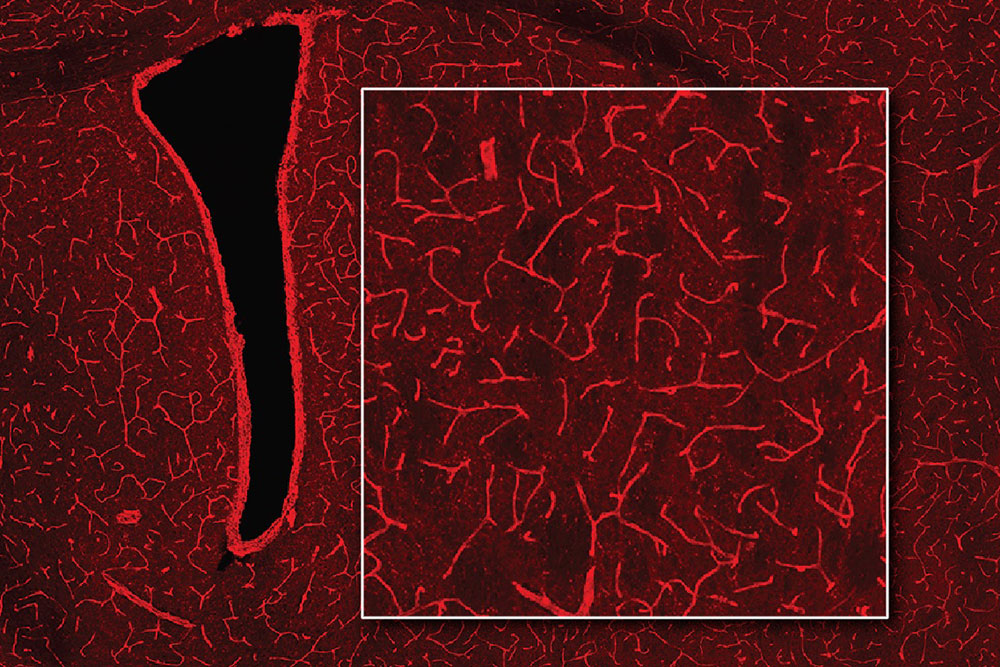
Using MRI, engineers have found a way to detect light deep in the brainThe new technique could enable detailed studies of how brain cells develop and communicate with each other. |
|
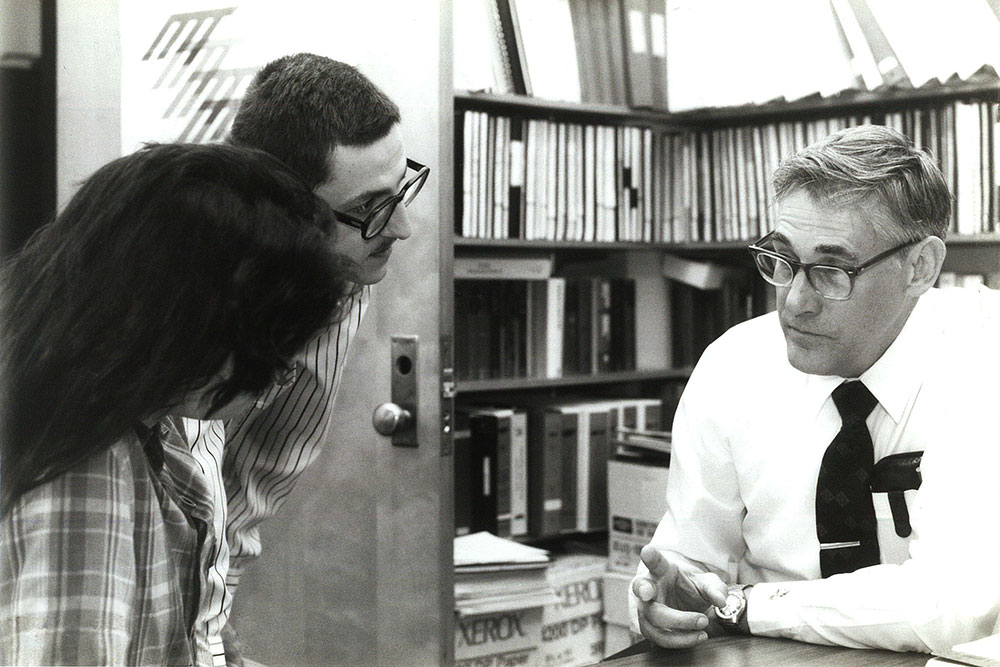
David Lanning, Course 22 professor emeritus and key contributor to the MIT Reactor, dies at 96Remembering the research contributions of a nuclear engineering expert and passionate teacher |

|
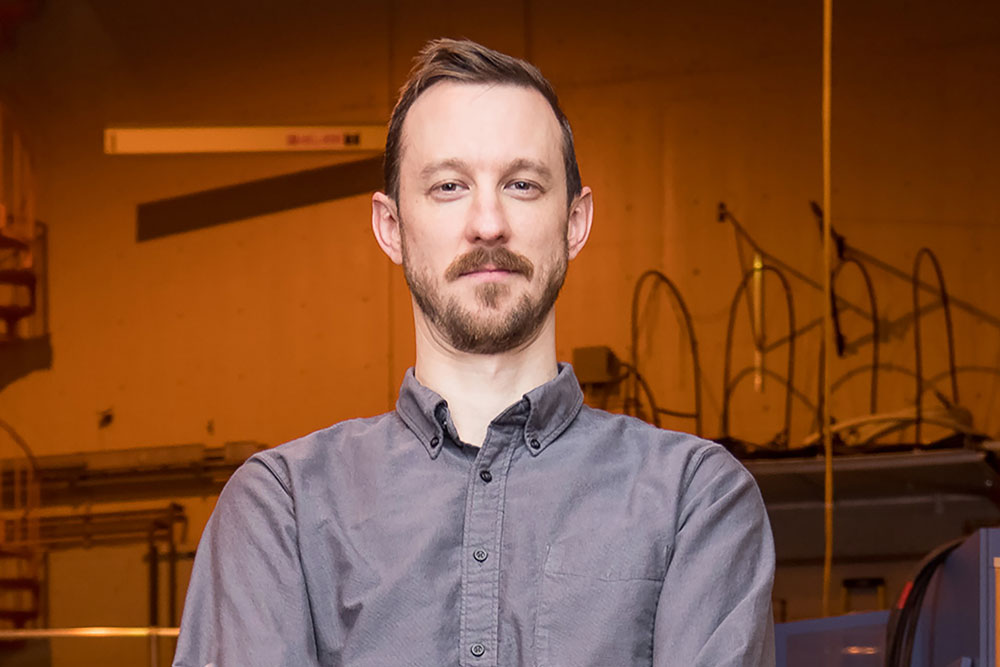
Nuno Loureiro named director of MIT’s Plasma Science and Fusion CenterA lauded professor, theoretical physicist, and fusion scientist, Loureiro is keenly positioned to advance the center’s research and education goals.Loureiro succeeds Dennis Whyte, who stepped down at the end of 2023. |
|
Zach Hartwig honored as “Committed to Caring” for 2023–25The Committed to Caring (C2C) program at MIT is a student-driven initiative that celebrates faculty members who have served as exceptional mentors to graduate students. Hartwig is one of twenty-three MIT professors have been selected as recipients of the award for 2023-25, marking the most extensive cohort of honorees to date. |

|
Mingda Li, one of two MIT teams selected for NSF sustainable materials grantsChosen from 16 finalist teams, Prof Li’s project will be finding pathways to scale up sustainable topological materials, which have the potential to revolutionize next-generation microelectronics by showing superior electronic performance, such as dissipationless states or high-frequency response. |
|
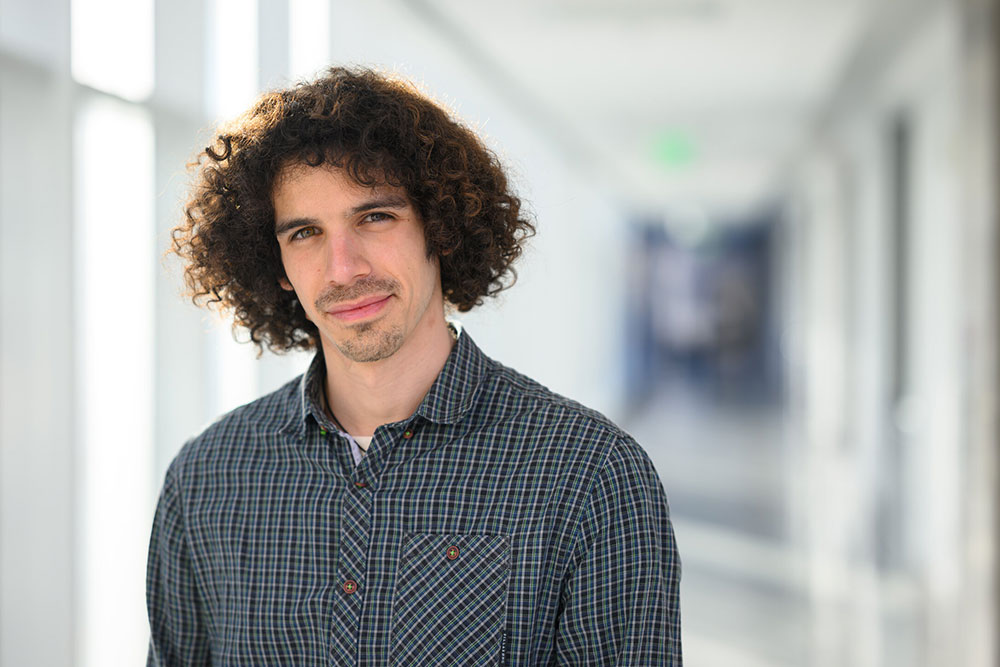
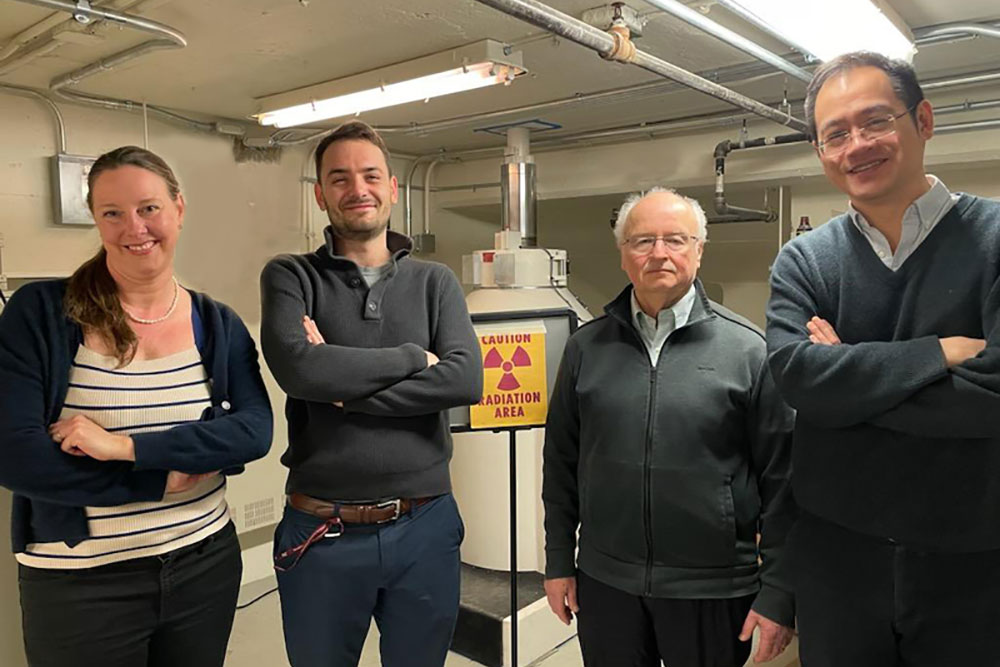
SPOTLIGHT: Modeling the threat of nuclear warAs part of his doctoral studies in MIT’s Department of Nuclear Scienc and Engineering, Eli Sanchez focused on understanding whether hypersonic missiles are a threat to global security. |
|
A new way to detect radiation involving cheap ceramicsWork by MIT engineers could lead to plethora of new applications, including better detectors for nuclear materials at ports. |

|
With inspiration from “Tetris,” MIT researchers develop a better radiation detectorThe device, based on simple tetromino shapes, could determine the direction and distance of a radiation source, with fewer detector pixels. |
|
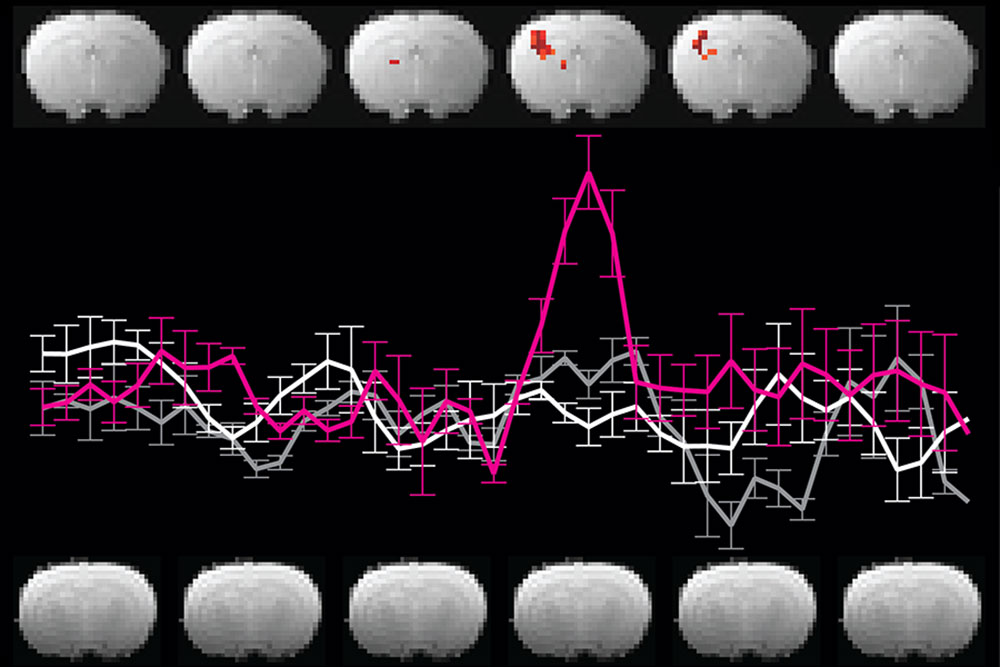
Reevaluating an approach to functional brain imagingAn MRI method purported to detect neurons’ rapid impulses produces its own misleading signals instead, an MIT study finds. |
|
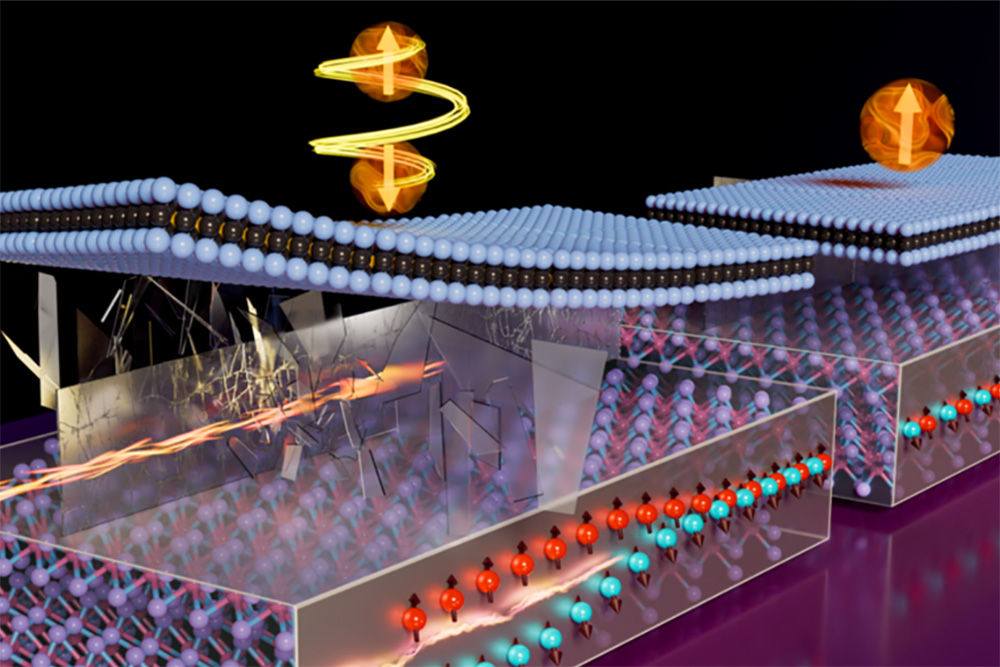
Propelling atomically layered magnets toward green computersMIT scientists have tackled key obstacles to bringing 2D magnetic materials into practical use, setting the stage for the next generation of energy-efficient computers. |


Department of Nuclear Science & Engineering
Massachusetts Institute of Technology
77 Massachusetts Avenue, 24-107 (map)
Cambridge, MA 02139
nse-info@mit.edu